 0
0
 0
0
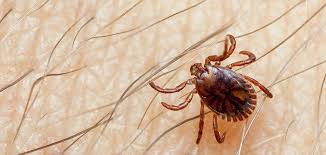
Ticks are small yet formidable parasites whose saliva contains a sophisticated arsenal of proteins that allow them to feed on humans and animals for several days without detection. This biological stealth mechanism not only makes tick bites less noticeable but also enhances the transmission of serious diseases like Lyme disease, which affects hundreds of thousands of people annually in the U.S. Understanding how tick saliva interacts with the human immune system sheds light on the challenges of preventing tick-borne illnesses and opens promising paths for treatments and vaccines.
A Silent Bite: The Biology Behind Tick Saliva
Ticks rely on their saliva to modulate the skin’s immune defenses at the bite site. When a tick attaches, it injects saliva containing a complex mixture of proteins that orchestrate a local immune evasion strategy. This saliva quickly disrupts the immediate, innate immune response — the body’s first line of defense — that usually triggers inflammation, redness, and itching after injury or infection.
Key proteins in tick saliva include:
-
Serpins: Protease inhibitors that block enzymes involved in inflammation, reducing the immune system’s typical accelerated response.
-
Cystatins: These block enzymes that help immune cells process harmful agents, slowing down immune cell recruitment to the bite.
-
Evasins: Highly selective molecules that bind to chemokines (chemical messengers guiding immune cells) and prevent immune cells from reaching the bite site.
-
Complement inhibitors: Proteins that disrupt the complement system, a set of blood proteins forming lethal complexes to destroy pathogens, thereby protecting both the tick and any microbes it carries.
-
Enzymes like apyrase and Kunitz inhibitors: These degrade molecules key for blood clotting, keeping the blood flowing smoothly to the tick’s mouthparts.
Dr. Johanna Strobl from the Medical University of Vienna, a leading researcher summarizing these findings, explains that “just seconds after a tick bite, the saliva causes blood vessels to dilate, inhibits clotting, and suppresses inflammation,” enabling the tick to feed quietly and effectively on its host’s blood .
Implications for Lyme Disease and Other Tick-Borne Infections
An estimated 476,000 people in the United States are diagnosed and treated for Lyme disease each year, caused by the bacterium Borrelia burgdorferi, which ticks transmit during feeding. The immune-suppressing properties of tick saliva create a “window of opportunity” during which these bacteria can evade early immune detection and establish infection.
For example, specific saliva proteins shield Borrelia from complement-mediated killing—a critical antibacterial mechanism—boosting bacterial survival in initial hours post-transmission. A 2011 study showed that a lectin pathway inhibitor in tick saliva blocks essential immune activation steps, reducing neutrophil recruitment and promoting bacterial spread .
This immune dampening not only eases bacterial transmission but also attenuates the development of a robust adaptive immune response, which takes hours to days to develop. Salp15, a tick saliva protein, binds directly to CD4 receptors on helper T cells, preventing their activation and proliferation. This interrupts the communication between dendritic cells and T cells essential for mounting long-lasting immunity .
Expert Perspectives and Public Health Context
Dr. Alice Henderson, an infectious disease specialist not involved in the research, comments, “The intricate ways tick saliva alters both innate and adaptive immunity reveal why early signs of tick bites and infections might be so subtle, complicating prompt diagnosis and treatment.” She emphasizes the importance of early tick removal to minimize saliva exposure and associated infection risk.
Public health messages consistently underscore rapid tick removal as key; the longer a tick feeds, the more saliva it injects, and the greater the chance for pathogen transmission.
Potential for Therapeutics and Vaccines
Interestingly, some of the molecules in tick saliva are being explored for therapeutic use. For conditions where excessive immune cell recruitment causes tissue damage—as in inflammatory diseases—tick saliva proteins like evasins might serve as templates for new anti-inflammatory drugs.
Moreover, vaccine research is actively investigating ways to target the tick’s saliva proteins rather than a single pathogen. Such “anti-tick” vaccines aim to elicit rapid inflammatory reactions upon tick bite, causing ticks to detach quickly and reducing disease transmission risk. Early animal studies targeting multiple saliva components have shown encouraging results .
Study Limitations and Scientific Challenges
While understanding tick saliva’s immune evasion is a significant advance, translating this knowledge into human treatments faces challenges. The saliva cocktail is complex and dynamically changes during feeding and infection states inside ticks, requiring detailed mapping to identify the best targets. Additionally, tick saliva effects may vary among different tick species and human immune backgrounds.
Finally, while animal models provide useful insights, their immune responses do not always fully replicate human immunity, necessitating careful clinical research before new therapies or vaccines reach widespread use.
Practical Takeaways for Readers
-
Ticks inject saliva that actively suppresses the body’s local immune response, allowing them to feed undetected for days.
-
This saliva also facilitates the transmission of pathogens like the Lyme disease bacterium.
-
Early prevention includes wearing protective clothing, using tick repellents, and prompt, careful tick removal.
-
Ongoing research into saliva proteins is promising for new treatments against inflammatory diseases and more effective vaccines to prevent tick-borne illnesses.
Medical Disclaimer: This article is for informational purposes only and should not be considered medical advice. Always consult with qualified healthcare professionals before making any health-related decisions or changes to your treatment plan. The information presented here is based on current research and expert opinions, which may evolve as new evidence emerges.
References
-
- https://www.earth.com/news/ticks-use-saliva-to-trick-the-human-body-into-feeding-without-being-detected/