 0
0
 0
0
In an age dominated by constant stimuli and digital interruptions, understanding how the brain loses and regains focus is vital. Recent groundbreaking research from the Massachusetts Institute of Technology (MIT) reveals intricate brain processes that help individuals return their attention after distractions, a discovery with significant implications for cognitive health and everyday functioning.
The Neuroscience of Losing and Regaining Focus
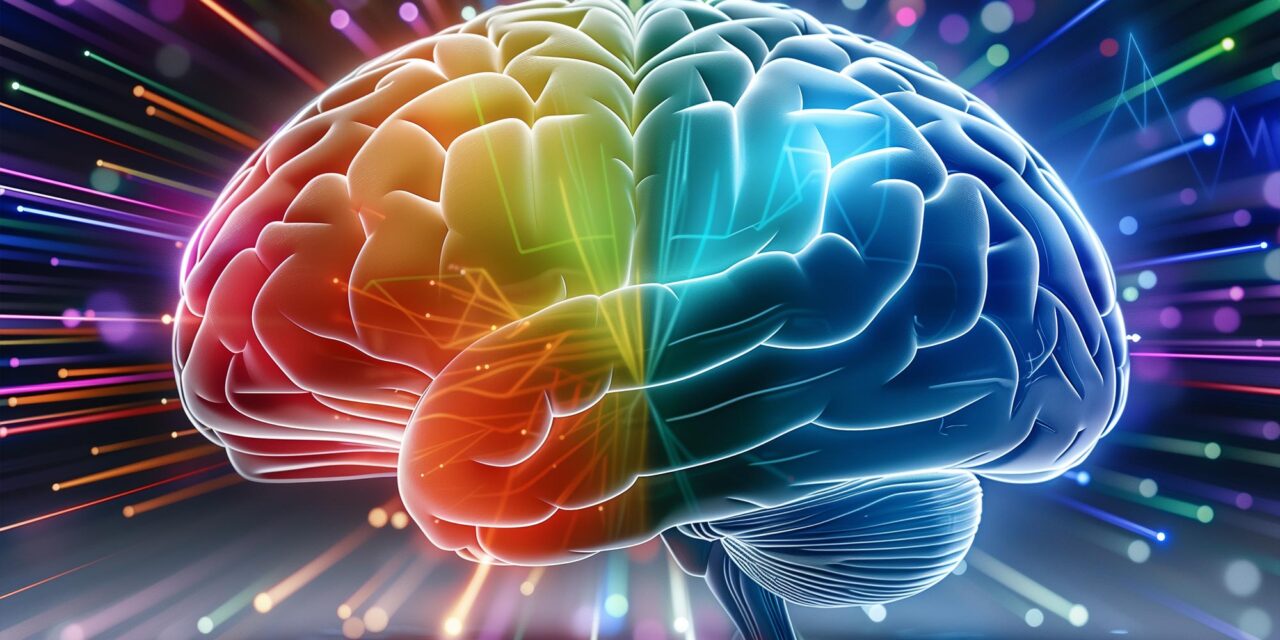
Researchers at MIT examined electrical activity in the prefrontal cortex (pFC), a brain region critical for advanced cognitive tasks such as attention control and working memory. In studies involving trained monkeys performing memory and visual tasks, scientists observed a unique pattern: rotating waves of neuron activity that act like a “herder,” steering the brain back to the right task after attention lapses.
Senior author Earl K. Miller, professor at MIT’s Picower Institute and Department of Brain and Cognitive Sciences, described these waves as essential guides, noting that a complete rotation corresponds to successful task performance, while incomplete rotation predicts errors or difficulty refocusing. The waves move in circular patterns, synchronizing neural activity efficiently to restore focus animal models of distraction.
Moreover, the research showed that the brain needs time for these waves to “come full circle,” highlighting why immediate recovery after distraction is difficult. This neural dynamic underscores that restoring focus is a measurable brain function rather than just a psychological effort. When distractions are frequent or overwhelming, the ability of these rotating waves to complete their cycle diminishes, leading to sustained lapses in attention.
Physiological Connections: Sleep, Attention, and Brain Fluid Dynamics
In another complementary MIT study, researchers found that momentary attention lapses during sleep deprivation are accompanied by fluid shifts in the brain’s cerebrospinal fluid (CSF). During attention failure, CSF flows outward from the brain; as focus returns, it flows back. This coordinated brain-body event also involves changes in heart rate, respiration, and pupil size, revealing a unified neurological and physiological circuit that governs attention alongside fundamental bodily functions.
The brain appears to toggle between high-attention states and restorative processes, especially when sleep-deprived, suggesting that cognitive lapses might function as micro-restorative episodes to maintain brain health. However, this comes at the cost of reduced attention during these periods, emphasizing the crucial role of adequate sleep for sustained cognitive function.
Impacts of Distraction on Cognitive Performance
Distraction not only fragments attention but also overloads cognitive resources such as working memory. Studies outside of MIT confirm that distractions impair signal detection, delay neural processing, and increase errors in task performance. For example, event-related potential (ERP) studies reveal diminished neural responses in distracted individuals, underscoring the brain’s reduced efficiency in processing relevant information during distraction.
The psychological toll of frequent interruptions includes heightened stress and anxiety levels owing to the brain’s constant effort to switch focus. This can degrade emotional control and overall mental health, highlighting the importance of mitigating distractions for both cognitive and psychological well-being.
Practical Implications for Public Health
Understanding brain mechanisms for focus recovery is crucial for designing environments, work habits, and educational strategies that support cognitive health. The discovery of rotating brain waves as a natural refocusing tool encourages allowing sufficient uninterrupted time to complete these neural cycles after distraction.
Health experts recommend habits promoting brain health, such as:
-
Ensuring adequate sleep to prevent attentional failures linked to brain fluid dynamics.
-
Practicing mindfulness or focused attention exercises that strengthen the brain’s ability to recover focus.
-
Creating structured micro-breaks to enhance attention recovery, a practice shown to improve performance significantly in learning contexts.
-
Reducing unnecessary distractions in work or study environments to minimize cognitive overload.
Dr. Kavita Sharma, a cognitive neuroscientist not involved in the MIT study, commented: “This research elegantly connects the dots between brain electrical activity and attentional control. It underlines that focus is a dynamic brain state that can be trained and supported with better lifestyle choices and environmental adjustments.” She further noted that these insights might eventually inform interventions for attention disorders or cognitive decline [interview].
Limitations and Future Directions
Although these findings advance understanding of attention dynamics, limitations exist. The core studies involved animal models, which—while highly informative—may not fully replicate human brain complexity. Translating these results to clinical or public health applications requires further human research. Additionally, much remains to be explored about how individual differences, such as age or neurological health, influence these brain processes.
Moreover, the interplay between brain fluid dynamics and attention lapses opens new avenues for understanding neurodegenerative disorders, where CSF flow is often impaired, but requires more direct investigation in human populations.
Medical Disclaimer
This article is for informational purposes only and should not be considered medical advice. Always consult with qualified healthcare professionals before making any health-related decisions or changes to your treatment plan. The information presented here is based on current research and expert opinions, which may evolve as new evidence emerges.
References