 0
0
 0
0
As the world continues to grapple with new and old infectious diseases, understanding how fast different illnesses can spread has never been more important. The recent resurgence of diseases like measles highlights the crucial role of vaccination and other public health measures in protecting communities from outbreaks.
The “contagion scale,” measured by a value called R0 (pronounced “R nought”), tells us how many people one infected individual is likely to spread a disease to, on average. If the R0 is greater than one, the infection will continue to spread. If it drops below one, the disease will typically die out over time.
Topping the list of the most contagious diseases is measles, with an R0 ranging from 12 to 18. This means that a single case can cause hundreds more within just a couple of transmission cycles, especially if those exposed are unvaccinated. Measles can linger in the air for hours after an infected person leaves, and people can be infectious even before they feel ill.
Other high R0 diseases include:
-
Pertussis (whooping cough), with R0 values from 12 to 17.
-
Chickenpox, ranging from 10 to 12.
-
COVID-19, which varies by variant but generally falls between 8 and 12.
Even diseases with a lower R0 can pose serious risks. Tuberculosis, for example, has an R0 ranging from below 1 up to 4, depending on local conditions. It spreads more slowly and typically requires prolonged close contact, but it’s especially dangerous due to difficulty in treatment and rising antibiotic resistance.
Ebola, while highly deadly, is less contagious, with an R0 between 1.5 and 2.5—its transmission requires direct contact with bodily fluids.
Some diseases with R0 values below 1, such as Middle East respiratory syndrome (MERS), bird flu, and leprosy, are less likely to cause widespread outbreaks, but they remain threats because of their potential severity and difficulties in treatment.
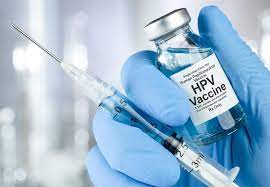
Preventative strategies like mass vaccination not only protect individuals but also help shield those who are most vulnerable—such as infants, pregnant women, and those with weakened immune systems—through herd immunity. By achieving high rates of immunity within a community, society can help limit the overall spread of dangerous diseases.
Disclaimer: This article is for informational purposes only and is based on public sources. It is not a substitute for professional medical advice, diagnosis, or treatment. Always consult a qualified healthcare provider with questions about infectious diseases or vaccines.