 0
0
 0
0
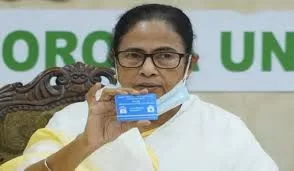
West Bengal’s flagship state-funded health insurance scheme, Swasthya Sathi, reached a significant milestone of one crore hospitalisations as of October 31, 2025, Chief Minister Mamata Banerjee announced. The scheme, covering over 8.5 crore residents of the state, has disbursed cashless healthcare benefits totaling Rs 13,156 crore entirely from the state budget, underscoring a robust public health effort aimed at inclusive healthcare access.
Key Developments and Scheme Overview
Swasthya Sathi is designed as an all-inclusive health assurance initiative targeting residents of West Bengal who are not covered under any other state-sponsored health insurance program. The scheme uniquely emphasizes cashless medical treatment within the state’s hospitals, which number over 2,800 empanelled institutions. The CM highlighted that the scheme benefits approximately 2.4 crore families and credits its success to a seamless IT platform and prompt payment processes ensuring reliable and swift service delivery to beneficiaries.
By October 31, 2025, the milestone of one crore (10 million) hospitalisations reflected both the scheme’s extensive reach and usage. The cashless healthcare amounting to Rs 13,156 crore signals a substantial investment in equity-driven health coverage funded fully by the West Bengal government, positioning Swasthya Sathi as a critical player in the state’s healthcare ecosystem.
Expert Perspectives and Context
Health policy experts note that regional schemes like Swasthya Sathi play a pivotal role in reducing out-of-pocket expenditures, a significant barrier to healthcare in India, where such spending can account for around 40% of total health expenses nationally. Dr. Rina Sen, a public health specialist unaffiliated with the scheme, said, “When a state government prioritizes funding healthcare completely, it can significantly reduce financial hardship for families, especially those in lower-income brackets.”
The scheme’s policy of restricting cashless coverage to hospitalisations occurring within West Bengal has generated debate critics argue it limits access for patients seeking specialized treatment outside the state. Political opposition has also challenged the government’s decision not to implement the national Ayushman Bharat scheme, which some view as more comprehensive but reportedly excludes individuals based on asset ownership such as scooters or smartphones. Mamata Banerjee defended Swasthya Sathi as more inclusive, stressing, “Why should healthcare differentiate between rich and poor?”
Public Health Implications
Swasthya Sathi’s milestone illustrates the potential for state-led initiatives to expand healthcare coverage and provide timely financial protection against medical expenses. By focusing on cashless services and building a responsive hospital network with digitized claims processing, the scheme mitigates some common challenges in health insurance, such as delayed reimbursements and lack of awareness.
However, the coverage is predominantly linked to hospitalisation events, and comprehensive health outcomes depend on broader health system integration, including preventive and outpatient care. Additionally, the absence of portability limits beneficiaries who might seek treatment outside West Bengal.
Limitations and Balanced Viewpoint
While Swasthya Sathi’s achievements are commendable, experts urge cautious interpretation. The scheme’s focus on hospital-based care excludes preventive health measures that can reduce hospital admissions. Furthermore, the reported cashless benefit figure does not directly translate to health improvements without data on patient outcomes or quality of care metrics.
There remain calls for integrating or harmonizing state schemes with national programs like Ayushman Bharat to maximize coverage and portability benefits. The debate continues on equity, efficiency, and the best pathway for universal health coverage in India’s diverse federal landscape.
Practical Advice for Readers
For West Bengal residents, Swasthya Sathi offers an accessible insurance option that covers many health expenses without out-of-pocket payments at the point of care within the state. Residents should confirm eligibility and benefits through official channels and choose empanelled hospitals to avail cashless services. Awareness that the scheme is restricted to treatment in West Bengal hospitals is important for planning healthcare needs.
Medical Disclaimer: This article is for informational purposes only and should not be considered medical advice. Always consult with qualified healthcare professionals before making any health-related decisions or changes to your treatment plan. The information presented here is based on current research and expert opinions, which may evolve as new evidence emerges.
References