 0
0
 0
0
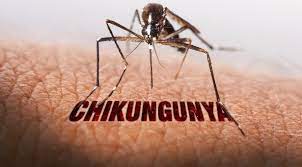
The Indian Council of Medical Research (ICMR) has launched an urgent initiative to combat rising Chikungunya cases by offering industry partners a license for an experimental RNA-interference (RNAi) therapy developed at its National Institute of Virology (NIV) in Pune. Announced recently amid over 30,000 suspected cases reported in early 2025, primarily in Maharashtra, Karnataka, and Tamil Nadu, the move aims to accelerate development of India’s first targeted antiviral against the mosquito-borne virus. This development addresses a critical gap, as no specific vaccines or treatments exist for Chikungunya, which often leaves patients with debilitating joint pain lasting months or years.
Chikungunya’s Persistent Threat in India
Chikungunya, transmitted by Aedes aegypti and Aedes albopictus mosquitoes, causes sudden high fever, severe joint pain, rash, and fatigue, with symptoms resembling dengue but distinguished by prolonged arthralgia. In India, outbreaks have recurred since 2006, when an estimated 1.39 million people were affected nationwide. Between January and March 2025, the World Health Organization (WHO) recorded 30,876 suspected cases and 1,741 laboratory-confirmed ones, with Maharashtra, Karnataka, and Tamil Nadu bearing the brunt; no deaths were linked directly, but the economic toll from lost productivity remains high.
Recent data from India’s National Centre for Vector Borne Diseases Control (NCVBDC) show sustained activity into 2025, with states like Karnataka reporting over 45,000 suspected cases in some periods and high confirmation rates. A 2025 study in Scientific Reports documented nearly 480 outbreaks across 30 states and union territories since 2015, underscoring the virus’s endemic status driven by urbanization, climate factors, and vector proliferation. Up to 50% of cases may lead to chronic joint issues, impacting livelihoods, especially in rural and informal sectors.
Breakthrough: NIV’s RNAi Therapy Targets Viral Core
Scientists at ICMR-NIV have engineered an RNAi-based therapy that silences two conserved viral genes—E2, crucial for virus entry and fusion, and nsP1, vital for replication—completely halting viral spread in lab cell lines and mouse models with a single dose. Unlike broad-spectrum antivirals, this precise approach degrades viral messenger RNA, preventing protein production without triggering strong immune responses like interferon storms.
The technology, detailed in ICMR’s Expression of Interest (EoI) No. ICMR/EoI/PM/07/RNAi Chikungunya Therapy/2026 (deadline February 14, 2026), is at Technology Readiness Level demonstrating in vivo proof-of-concept in C57BL/6 mice, positioning it for non-exclusive licensing to Indian firms for clinical trials, manufacturing, and regulatory approval. Inventors including Deepti Parashar and V.A. Arankalle highlight its adaptability to other RNA viruses, filling a void where supportive care—painkillers and hydration—dominates treatment.
Expert Insights on Promise and Hurdles
Dr. Ekta Gupta, Professor of Clinical Virology at the Institute of Liver and Biliary Sciences (ILBS), New Delhi, notes, “RNA interference blocks viral protein formation by targeting messenger RNA. In Chikungunya, NIV’s RNAi approach targeting E2 and nsP1 has shown complete viral suppression in vivo with a single dose. While laboratory results are encouraging, clinical trials are needed.” This underscores the therapy’s potential to curb early replication and reduce resistance risks.
Dr. Neha Rastogi, Senior Consultant in Infectious Diseases at Fortis Gurugram, adds, “By targeting key viral genes such as E2 and nsP1, RNA-interference therapy can block viral entry and replication at an early stage and reduce the risk of resistance. The main challenge is safe delivery of RNA into target cells, with lipid nanoparticles showing promise.” Delivery innovations, like cationic lipid nanoparticles or ZIF-C biocomposites tested in prior studies, could enhance efficacy, though human safety profiles remain unproven.
Public Health Implications and Daily Actions
If successful in trials, this therapy could slash long-term disability rates, healthcare costs, and outbreak burdens, particularly in high-risk monsoon seasons. India, facing the world’s highest long-term Chikungunya risk with over 5.1 million at yearly risk, stands to benefit immensely, bolstering preparedness amid co-circulating dengue and climate-driven vector spread. Globally, 2025 saw over 445,000 cases across 40 countries, with India’s share significant.
For individuals, prevention remains key: eliminate stagnant water to deny mosquito breeding, use repellents, wear long sleeves, and install screens. Early symptom recognition—fever with joint swelling—prompts rest, hydration, and paracetamol for pain, avoiding aspirin due to bleeding risks. High-risk groups like the elderly and those with joint conditions should prioritize vector control.
Limitations and Path Forward
Preclinical success does not guarantee human efficacy; RNAi therapies face delivery barriers, potential off-target effects, and high costs for scalability in resource-limited settings. No peer-reviewed publication on this specific NIV therapy exists yet, and clinical trials could span years amid regulatory hurdles. While two vaccines are approved abroad, none are licensed in India, leaving antivirals as a complementary need.
ICMR’s industry collaboration signals momentum, but experts urge parallel investments in surveillance, vaccines, and mosquito control for comprehensive defense.
Medical Disclaimer: This article is for informational purposes only and should not be considered medical advice. Always consult with qualified healthcare professionals before making any health-related decisions or changes to your treatment plan. The information presented here is based on current research and expert opinions, which may evolve as new evidence emerges.
References
-
Economic Times Health (2026). “Hope against Chikungunya: ICMR steps in as cases rise across India.” https://health.economictimes.indiatimes.com/news/policy/hope-against-chikungunya-icmr-steps-in-as-cases-rise-across-india/126773726[ocacademy]