 0
0
 0
0
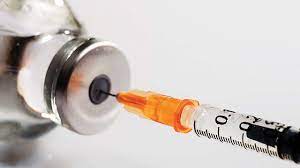
In a significant leap forward for influenza prevention, researchers at the University of Hong Kong’s Li Ka Shing Faculty of Medicine (HKUMed) have developed a new needle-free flu vaccine that could transform the way flu shots are administered and boost protection against a wide range of virus strains.
Two Innovative Approaches to Flu Vaccination
Led by Professor Leo Poon Lit-man, Chair of Public Health Virology, the HKUMed team has pioneered two distinct strategies to create live-attenuated influenza vaccines (LAIVs) delivered via nasal spray. Unlike conventional flu shots, which are typically injected and require annual updates to match circulating strains, these new vaccines are designed for intranasal administration and aim to provide broader, longer-lasting immunity.
The first approach involves genetically modifying human influenza viruses to express avian-like surface markers, which help trigger a stronger immune response by leveraging preexisting antibodies in the body. The second strategy uses codon usage optimization-introducing silent mutations to mimic avian virus traits-making the vaccine both safe and effective while retaining its ability to provoke a robust immune response.
Promising Results in Preclinical Trials
In laboratory tests on mice, both vaccine candidates demonstrated strong protection against multiple influenza subtypes, including human H1N1 and H3N2, as well as avian H5N1 and H7N9 strains. Importantly, no pathogenicity was observed, and the immune response was notably strong, suggesting the vaccines could offer comprehensive defense against both seasonal and emerging flu threats.
Professor Poon highlighted that the nasal delivery method not only stimulates mucosal immunity-providing frontline defense in the respiratory tract-but also eliminates the fear of needles, which is a significant barrier for many, especially children. “The long-lasting protective effects of the nasal vaccines might reduce the need to receive yearly jabs,” he noted, although he emphasized that further research is needed to determine the exact duration of protection.
Addressing Limitations of Current Flu Vaccines
Current influenza vaccines are limited by their specificity to selected strains and require frequent reformulation. Their effectiveness can wane if the circulating viruses differ from those predicted, and they offer little to no protection against zoonotic strains like avian influenza. The World Health Organization has called for next-generation, universal flu vaccines that can overcome these challenges-a goal these new HKUMed candidates are designed to meet.
Next Steps and Global Recognition
The HKUMed team’s breakthroughs have already received international acclaim, winning multiple patents and awards, including gold medals at the 50th International Exhibition of Inventions Geneva 2025. Moving forward, the researchers plan to advance these vaccines through studies adhering to Good Laboratory Practice (GLP) standards, with support from the Hong Kong Jockey Club Global Health Institute and the International Vaccine Institute. Clinical trials in humans are anticipated as the next major milestone.
Expert Outlook
If successful in further studies and clinical trials, these needle-free nasal vaccines could not only simplify influenza prevention-potentially reducing the need for yearly vaccinations-but also provide a critical tool in the fight against future flu pandemics.
“This needle-free delivery method alleviates the fear of vaccination, particularly in young children, so it will help mitigate vaccine hesitancy,” said Professor Leo Poon Lit-man.
Disclaimer:
The new needle-free flu vaccines developed by HKUMed are currently in the preclinical stage and have not yet undergone human clinical trials. Their safety, efficacy, and long-term protection in humans remain to be established through further research. The information presented here is based on early-stage scientific findings and should not be interpreted as medical advice or a substitute for existing influenza vaccination recommendations.
Citations: