 0
0
 0
0
December 8, 2025
HONG KONG — The Centre for Health Protection (CHP) has confirmed the 10th locally acquired case of Chikungunya fever in Hong Kong, marking a significant milestone in the city’s first-ever local outbreak of the mosquito-borne viral disease. The latest case involves a 67-year-old woman from Kwai Tsing District, further cementing the Tsing Yi Nature Trails as a primary focus for current transmission control efforts.
Health officials are urging heightened vigilance, particularly among hikers and residents in the Kwai Tsing area, as the city grapples with this unprecedented shift in local epidemiology. Prior to October 2025, Hong Kong had only recorded imported cases of the virus.
The Latest Case
According to the latest CHP data released this weekend, the patient is a 67-year-old female resident of Kwai Tsing District with no recent travel history. She developed joint pain on December 2, followed by a fever the next day and a rash on December 5. She sought treatment at Princess Margaret Hospital and is currently in stable condition, isolated in a mosquito-free environment to prevent further spread.
Epidemiological investigations revealed that the patient had hiked near the Tsing Yi Nature Trails during her incubation period. Genetic sequencing and contact tracing have linked her case to a growing cluster of infections associated with this specific recreational area.
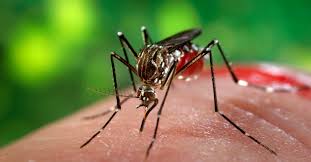
“This case further substantiates the presence of an active transmission chain in the Tsing Yi area,” a CHP spokesperson stated. “The patient’s activities overlap with previous confirmed cases, indicating a persistent pocket of infected Aedes albopictus mosquitoes in the vegetation along these trails.”
A Historic Shift in Transmission
Hong Kong’s battle with Chikungunya has historically been one of border control. For decades, the city recorded sporadic imported cases from endemic regions in Southeast Asia, Africa, and the Americas. However, the dynamic changed on October 26, 2025, when the CHP confirmed the city’s first-ever autochthonous (locally acquired) case in an 82-year-old woman residing in Wong Tai Sin.
Since that index case, the virus has managed to establish short chains of local transmission, jumping from Wong Tai Sin to sporadic cases in Sheung Wan and now establishing a foothold in the Tsing Yi and Kwai Tsing districts.
“We are witnessing a change in the ecological behavior of the virus in Hong Kong,” explains Dr. Sarah Lim, a virologist and public health consultant (not involved in the CHP investigation). “While Aedes aegypti—the primary global vector—is not found in Hong Kong, our local Aedes albopictus population is a competent vector. The unusually warm start to our winter has allowed mosquito breeding to continue longer than usual, facilitating this sustained transmission.”
The Tsing Yi Cluster and Response
The concentration of cases around Tsing Yi has triggered an aggressive government response. The Food and Environmental Hygiene Department (FEHD) has deployed intensive vector control measures, including:
-
Tech-Assisted Surveillance: The deployment of robotic dogs to access hard-to-reach scrubby areas for mosquito surveillance and control.
-
Fogging Operations: targeted “intensive fogging” within a 250-meter radius of the hiking trails and patient residences.
-
Medical Surveillance: Health consultation booths have been set up in affected districts to screen residents.
Notably, a 59-year-old FEHD worker was confirmed as a local case on December 1 after participating in anti-mosquito operations near the Tsing Yi trails, underscoring the high occupational risk for those working in dense vegetation areas.
Symptoms and Public Health Implications
Chikungunya is characterized by an abrupt onset of fever frequently accompanied by debilitating joint pain. The name “chikungunya” derives from the Kimakonde language of Tanzania, meaning “to become contorted,” referencing the stooped appearance of sufferers due to joint pain.
While the disease is rarely fatal, the joint pain can be severe and debilitating, lasting for months or even years in some cases. The elderly and those with chronic medical conditions are at higher risk for complications.
“The public must understand that this is not just a summer threat anymore,” warns Dr. Lim. “If you are hiking, especially in Kwai Tsing or Tsing Yi, long sleeves and DEET-containing insect repellent are non-negotiable protections.”
Regional Context
The local outbreak occurs against the backdrop of a larger regional surge. Neighboring Guangdong province in Mainland China experienced a significant outbreak earlier this year, with thousands of cases reported in Foshan and Shunde. While those numbers have trended downward in November, the cross-border movement of people has likely contributed to the introduction of the virus into Hong Kong’s local mosquito population.
Advice for the Public
The CHP advises the public to take the following precautions:
-
Personal Protection: Use insect repellents containing DEET, Picaridin, or IR3535. Wear light-colored, long-sleeved shirts and trousers during outdoor activities.
-
Source Reduction: Weekly inspection of homes to remove stagnant water in plant saucers, vases, and drainages to prevent mosquito breeding.
-
Seek Care: If you develop fever and joint pain, especially after visiting Tsing Yi or other high-risk areas, seek medical attention immediately and inform the doctor of your travel/hiking history.
Medical Disclaimer:
This article is for informational purposes only and should not be considered medical advice. Always consult with qualified healthcare professionals before making any health-related decisions or changes to your treatment plan. The information presented here is based on current research and expert opinions, which may evolve as new evidence emerges.
References
-
Centre for Health Protection (CHP). (2025, December 6). CHP recorded another locally acquired case of chikungunya fever. The Government of the Hong Kong Special Administrative Region. https://www.info.gov.hk/gia/general/202512/06/P2025120600629.htm