 0
0
 0
0
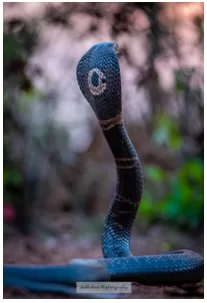
GOA, India — A groundbreaking study published this week in the journal Biotropica reveals an unexpected consequence of India’s massive infrastructure: the country’s railway network is acting as a “high-speed conduit” for the king cobra. Researchers found that these iconic, venomous apex predators are inadvertently hitching rides on cargo trains, transporting them from their native rainforests in the Western Ghats to climatically unsuitable coastal and urban regions of Goa.
The findings, led by herpetologist Dikansh Parmar of the Leibniz Institute for Zoo and Wildlife Research, analyze 22 years of rescue data. The study suggests that while roads often act as death traps for wildlife, the rail network may be facilitating the passive dispersal of king cobras (Ophiophagus kaalinga), raising significant questions about wildlife conservation and public safety at the human-wildlife interface.
Tracking the “Outliers”: 22 Years of Data
For over two decades, researchers meticulously mapped 47 confirmed king cobra localities across Goa—18 in North Goa and 29 in South Goa. While the majority of these sightings occurred in the lush, humid interiors of the Western Ghats where the species thrives, five specific “outlier” rescues caught the scientists’ attention.
These rescues occurred near busy railway yards and stations, such as the Chandor railway yard, in areas that species distribution modeling deems “unsuitable.” These zones lack the high humidity, dense canopy cover, and specific prey—primarily other snakes—that king cobras require to survive.
The “Snake on a Train” Hypothesis
The research team suggests that these snakes are not migrating to these drier coastal zones by choice. Instead, they likely climb into stationary goods trains for two reasons:
-
Shelter: The dark, cool crevices of cargo containers offer a temporary refuge.
-
Prey: Rodents frequently infest cargo and grain shipments, luring the cobras into the wagons.
Once the trains depart from hubs like Castle Rock in neighboring Karnataka, they travel between 85 and 120 kilometers into Goa’s coastal belt. When the trains stop to unload, the cobras disembark in environments where they are ecologically “stranded.”
Expert Perspectives: A “Fascinating yet Concerning” Trend
The discovery has sent ripples through the herpetological community. While the phenomenon of “hitchhiking” species—such as frogs in fruit shipments or lizards on cargo ships—is well-documented, the accidental transport of a 12-to-18-foot venomous snake presents unique challenges.
“Human infrastructure can unintentionally shape wildlife movement, even for apex predators like the king cobra,” says Dr. Amrut Singh, a wildlife biologist who reviewed the findings. “This confirms that our development planning must account for the natural movement of species to avoid ecological imbalances.”
Romulus Whitaker, founder of the Madras Crocodile Bank and a world-renowned herpetologist, noted the potential stress on the animals. “King cobras are already vulnerable due to habitat loss. Accidental relocation to suboptimal areas could lead to increased mortality, as they may struggle to find appropriate food or mates in these drier zones.”
Public Health and Safety Implications
For the 23 million passengers who use India’s rail network daily, the presence of king cobras near stations and inside coaches is more than a biological curiosity—it is a public health concern.
The Risk of Envenomation
The king cobra is the world’s longest venomous snake. While they are generally shy and avoid human contact, a defensive bite is a medical emergency.
-
Venom Type: Highly potent neurotoxins.
-
Effect: Rapidly attacks the central nervous system, leading to paralysis and respiratory failure.
-
Medical Access: While king cobra bites are rare (accounting for an estimated 50–100 deaths annually in India), they require specialized treatment. In rural Goa, access to rapid medical intervention and specific antivenom can be limited.
Recommendations for the Public
Healthcare professionals and wildlife experts advise the following if a snake is spotted near public infrastructure:
-
Do Not Engage: Never attempt to capture or move a king cobra. Their reach is significant, and they can stand up to one-third of their body length.
-
Report Immediately: Utilize citizen science apps or contact local forest department rescue teams.
-
Vigilance: Track workers and commuters near forested rail corridors should remain alert, especially during the monsoon season when snake activity peaks.
The Ecological Toll and Limitations
While the “train highway” prevents the immediate roadkill deaths often seen on highways, the long-term survival of these “railway cobras” is doubtful. Without the moist microclimates of the Ghats, these snakes may face dehydration or starvation, or they may be forced to hunt domestic animals, increasing the likelihood of conflict with humans.
Study Limitations
The researchers acknowledge certain gaps in the data:
-
Direct Proof: There is currently no GPS-tracked evidence of a snake entering a train in one location and exiting in another; the conclusion is based on the strong correlation between railway hubs and “unsuitable” habitat sightings.
-
Reporting Bias: Rescue data often favors areas where humans are present, potentially undercounting snakes in remote, natural habitats.
A Call for Integrated Conservation
As India continues to expand its 68,000-kilometer rail network, the study advocates for “wildlife-sensitive” infrastructure. This includes the construction of wildlife underpasses and better fencing to prevent apex predators from entering high-traffic human zones.
“This isn’t just about protecting people from snakes,” says lead researcher Dikansh Parmar. “It’s about protecting an iconic species from being displaced into environments where they cannot survive. We need to turn these potential threats into conservation wins through better monitoring and public awareness.”
As the trains continue to chug through the heart of the Western Ghats, they carry the weight of a complex ecological puzzle—one where the tracks of progress and the paths of predators are increasingly intertwined.
Medical Disclaimer: This article is for informational purposes only and should not be considered medical advice. Always consult with qualified healthcare professionals before making any health-related decisions or changes to your treatment plan. The information presented here is based on current research and expert opinions, which may evolve as new evidence emerges.
References