 0
0
 0
0
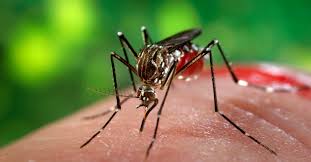
In October 2025, three mosquitoes—two females and one male—were identified in the rural Kjós valley near Reykjavik, Iceland, a country long known as one of the few remaining mosquito-free places on Earth. The species, confirmed as Culiseta annulata, is a cold-resistant mosquito native to parts of Europe and North Africa and capable of surviving harsh winters by sheltering indoors. The specimens were collected by insect enthusiast Björn Hjaltason, who noticed unusual insects while using wine-soaked ropes to attract moths. The discovery ended Iceland’s mosquito-free status, leaving Antarctica as one of the last mosquito-free regions globally.
Climate Change as a Driving Factor
The arrival of mosquitoes in Iceland is closely linked to the country’s unprecedented warming trends, especially a record-breaking heatwave in May 2025 when temperatures soared to 26.6°C (79.8°F). This warming has created conditions more favorable for mosquitoes to survive and reproduce, including longer summers and milder winters than historically experienced. Iceland is warming approximately four times faster than the average for the northern hemisphere, accelerating ecological shifts that allow cold-resistant mosquitoes to establish populations.
While Culiseta annulata is adapted to cold climates and has some resilience to low temperatures, scientists emphasize that warming temperatures have lengthened the active mosquito season globally, enabling mosquitoes to colonize new areas previously inhospitable to their life cycles. This phenomenon reflects broader patterns observed worldwide, where warming climates have contributed to the spread of mosquito species and mosquito-borne diseases into higher latitudes and altitudes.
Public Health Implications
The emergence of mosquitoes in Iceland raises concerns about potential future public health risks, although the currently identified species is not associated with tropical disease transmission. Globally, mosquito-borne diseases such as dengue, Zika, chikungunya, yellow fever, malaria, and West Nile virus infect hundreds of millions and cause over one million deaths annually.
Experts caution that while the newly detected mosquitoes in Iceland do not currently carry harmful pathogens, the presence of mosquitoes creates an ecological foundation for vector species that could potentially pose health risks in the future if warming continues and invasive species are introduced. Public health surveillance and ecosystem monitoring will be essential to detect any changes in vector composition and disease risk proactively.
Ecological and Environmental Context
Mosquitoes have complex life cycles that depend heavily on temperature, humidity, and available breeding sites such as stagnant water. Iceland’s historical cold temperatures and limited standing freshwater habitats have been barriers to mosquito colonization. However, warming, glacier melts, and changing precipitation patterns linked to global climate change are altering these barriers, making ecosystems more hospitable to mosquitoes and other insects.
The introduction of mosquitoes may also affect local wildlife and ecological balances, as mosquitoes serve as food sources for some species but can disrupt native insect communities. Continued research will be necessary to understand these ecological dynamics in Iceland’s sensitive environments.
Expert Perspectives
Entomologist Matthias Alfredsson of the Icelandic Institute of Natural History noted that the species can survive Icelandic winters by sheltering indoors and has diverse breeding habitats aiding persistence in diverse conditions. He also highlighted that the specimens’ arrival may be linked to freight or ship transit, common pathways for invasive species introduction.
Dr. Katie Anders, an epidemiologist with the World Mosquito Program, explains that climate change not only extends the mosquito season but also increases breeding sites through changes such as drought-driven water storage and urbanization, compounding the risk of mosquito-borne diseases in new regions.
Limitations and Outlook
Current findings are based on a small number of specimens, and more extensive monitoring is required to assess whether mosquitoes have established sustainable populations in Iceland. The cold-resistant nature of the species may allow initial survival, but long-term colonization and possible evolution of disease transmission dynamics remain uncertain.
Moreover, Iceland’s isolated geography and relatively low human population density may limit the immediate risk of mosquito-borne disease outbreaks compared to more densely populated regions with endemic vector species. Nevertheless, this discovery is a sentinel event illustrating how rapid environmental changes have the potential to alter disease ecology and public health even in remote areas.
Practical Implications for the Public
For Icelandic residents and visitors, awareness of mosquitoes as a new environmental factor is essential. While there is currently no immediate threat of mosquito-borne diseases, protective measures such as using insect repellents, wearing appropriate clothing during mosquito-active periods, and minimizing standing water around homes will be prudent as monitoring continues.
Public health authorities should consider updating surveillance systems and vector control strategies to prepare for future shifts in mosquito populations and potential disease transmission risks linked to climate change.
Medical Disclaimer
This article is for informational purposes only and should not be considered medical advice. Always consult with qualified healthcare professionals before making any health-related decisions or changes to your treatment plan. The information presented here is based on current research and expert opinions, which may evolve as new evidence emerges.
References