 0
0
 0
0
January 24, 2026
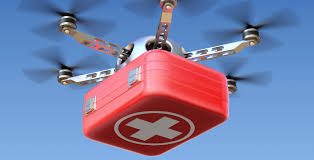
KOHIMA, NAGALAND — In a move that signals a paradigm shift for public health in Northeast India, the Nagaland Department of Health and Family Welfare (H&FW) and the Nagaland GIS and Remote Sensing Centre (NGISRSC) signed a landmark Memorandum of Agreement (MoA) on January 22. This strategic partnership aims to integrate unmanned aerial vehicles (UAVs)—commonly known as drones—into the state’s healthcare framework to overcome the “last-mile” delivery challenges posed by Nagaland’s rugged, mountainous terrain.
The collaboration, formalized at the Directorate of Health and Family Welfare in Kohima, seeks to revolutionize how life-saving supplies, including vaccines and emergency medications, reach isolated communities. By leveraging geospatial mapping and autonomous flight, the state hopes to build a more resilient health system capable of responding to natural disasters and disease outbreaks in real-time.
Overcoming Geography with Innovation
Nagaland’s geography has long been a double-edged sword: beautiful but notoriously difficult for traditional logistics. With heavy monsoon seasons often leading to landslides and road blockages, transporting temperature-sensitive medical supplies can be a race against time.
“The integration of emerging technologies into public health systems is no longer a luxury; it is a necessity for efficiency,” stated Er Mhathung Kithan, Senior Project Director at NGISRSC. Under the new MoA, the NGISRSC will handle the technical “heavy lifting,” including drone operations, data analysis, and regulatory compliance with aviation authorities.
The initiative focuses on four key pillars:
-
Emergency Medical Delivery: Rapid transport of blood products, vaccines, and anti-venoms.
-
Disaster Response: Delivering aid during natural calamities when roads are impassable.
-
Vector Control: Aerial support for mapping and managing mosquito-borne diseases.
-
Geospatial Planning: Using high-resolution mapping to decide where to build future health infrastructure.
Expert Perspectives: A Leap for Health Equity
Public health experts suggest that drones can reduce delivery times from hours to minutes. Dr. Mereninla Senlem, Principal Director of the Department of Health and Family Welfare, emphasized that this collaboration is about preparedness. “This initiative will play a crucial role in ensuring timely delivery… during emergency health operations and disaster situations,” she noted during the signing.
Independent experts agree that Nagaland is following a successful global trend. Dr. Arati Varma, a public health consultant specializing in rural logistics (not involved in the Nagaland project), explains the significance:
“In mountainous regions, the ‘cold chain’—the temperature-controlled supply chain for vaccines—is often broken due to transit delays. Drones bypass the winding roads entirely. If a child in a remote village needs a rabies vaccine or a mother needs blood after childbirth, 20 minutes by air is the difference between life and death.”
The Logistics of “Life from the Sky”
While the technology sounds futuristic, the division of labor outlined in the MoA is highly practical. The Health Department will manage the “ground game”—logistics, inter-departmental coordination, and identifying which villages need priority. Meanwhile, the NGISRSC will provide the “eye in the sky,” using data to ensure drones navigate the state’s complex wind patterns and altitudes safely.
Statistical Context: The Efficiency Gap
According to research published in The Lancet Global Health, drone delivery in similar terrains (such as Rwanda and parts of Ghana) has shown:
-
Up to a 60% reduction in wasted medical supplies due to expiration or heat exposure.
-
Faster response times: Blood delivery times dropped from an average of 110 minutes to under 30 minutes in specific pilot regions.
-
Cost-effectiveness: While the initial setup is high, the cost per delivery in hard-to-reach areas is significantly lower than maintaining a fleet of 4WD vehicles.
Challenges and Limitations
Despite the optimism, the path forward has hurdles. The integration of drones into civilian airspace requires strict adherence to the Directorate General of Civil Aviation (DGCA) guidelines. Furthermore, “drone-delivery” is not a silver bullet for all healthcare woes.
“Technology must be backed by human expertise,” says Dr. Varma. “A drone can drop off a package, but you still need a trained healthcare worker on the ground to administer the medicine correctly. We must ensure the infrastructure on both ends—the hub and the spoke—is equally strong.”
Potential limitations include:
-
Weather Sensitivity: Extreme winds or heavy rain can still ground drone flights.
-
Payload Capacity: Current medical drones typically carry 2kg to 5kg, meaning they cannot replace bulk truck deliveries for routine supplies.
-
Sustainability: Long-term funding for maintenance and pilot training will be essential to prevent the program from becoming a “pilot project” that never scales.
What This Means for Residents
For the average citizen in Nagaland, this agreement represents a move toward health equity. It means that your postal code or the quality of the road to your village should no longer dictate the quality of healthcare you receive.
As the program rolls out, residents can expect to see increased monitoring of vector-borne diseases (like Malaria and Dengue) and more reliable stock at local health centers. This initiative sets a model for other Himalayan and Northeastern states in India to leverage “Industry 4.0” tools for public welfare.
References & Sources
Official Sources:
- https://morungexpress.com/ngisrsc-hfw-sign-agreement-to-integrate-drones-into-health-services
Medical Disclaimer: This article is for informational purposes only and should not be considered medical advice. Always consult with qualified healthcare professionals before making any health-related decisions or changes to your treatment plan. The information presented here is based on current research and expert opinions, which may evolve as new evidence emerges.