 0
0
 0
0
A recent pilot study has uncovered alarmingly high levels of lead and uranium contamination in children aged 5-15 years and groundwater samples from Bathinda, Ropar, and Chandigarh, raising serious public health concerns. Conducted by Panjab University’s Geo-Environmental Research Laboratory in collaboration with Baba Farid NGO, the study analyzed 149 blood samples, 137 hair samples, and 37 groundwater samples, revealing contamination levels exceeding international safety standards. This discovery has prompted urgent interventions by the Punjab State Human Rights Commission and Chandigarh Human Rights Commission to mitigate health risks and safeguard vulnerable populations .
Key Findings from the Study
The study identified nearly 26.2% of the tested children’s blood lead levels above the World Health Organization’s (WHO) safe limit of 3.5 micrograms per decilitre. Bathinda exhibited the most severe contamination, with 32.6% of children exceeding safe lead limits—many with readings surpassing 10 micrograms per decilitre, and a peak value reaching 16.5. Chandigarh and Ropar reported 26.3% and 19.3% exceedances respectively, with average blood lead concentrations near 6.3 and 6.4 micrograms per decilitre.
Hair analysis showed more widespread lead exposure: 39% of samples exceeded WHO’s threshold of 2 micrograms per gram, with Chandigarh’s children particularly affected—79% tested above safe levels, with some readings as high as 21.4 micrograms per gram. Groundwater contamination mirrored these findings, especially in Bathinda where all 19 samples surpassed WHO and Indian standards for uranium contamination. Ropar’s groundwater showed some uranium and arsenic excess, while Chandigarh remained below permissible limits .
Expert Commentary and Public Health Implications
Justice Sant Parkash, chairperson of the Punjab State Human Rights Commission, described these findings as a “serious human rights violation under Article 21 of the Constitution,” emphasizing the urgent need for coordinated action to protect children and pregnant women. Experts not involved in the study warn that elevated lead and uranium levels can cause irreversible neurological, developmental, and systemic health problems, particularly in children who are most vulnerable to toxic exposures. Lead poisoning at these levels is linked to cognitive deficits, behavioral disorders, and increased risk of chronic diseases. Uranium exposure primarily affects kidney function and may have carcinogenic effects over prolonged exposures.
The contamination hotspots, notably the villages of Lehra Muhabbat and Gurusar in Bathinda, and colonies in Chandigarh like Dhanas, Maloya, and Kaimbwala, lie near industrial zones with coal-fired power plants and cement factories, suspected sources of pollution through fly ash and waste leaching. The Punjab Pollution Control Board has been tasked with inspecting these industrial practices urgently .
Policy Response and Recommendations
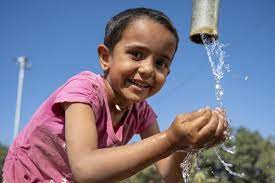
In response, the commissions directed state authorities to submit a comprehensive survey plan focusing on monitoring children and pregnant women in contamination hotspots. Immediate establishment of toxicology departments in major government hospitals in Punjab and Chandigarh is mandated to enable timely diagnosis and treatment of heavy metal poisoning, including chelation therapy accessibility. Schools and community centers in affected regions must install and maintain reverse osmosis water purification systems to reduce exposure risks from contaminated groundwater.
Additionally, environmental regulatory bodies have been ordered to strengthen oversight of industrial emissions and waste management practices. These measures aim to halt further contamination and prevent long-term health consequences for the affected populations. Health departments are advised to ensure availability of treatment drugs and raise community awareness about the dangers of heavy metal pollutants .
Limitations and Need for Further Research
While this pilot study provides critical early evidence, its limited sample size and geographic coverage call for expanded state-wide and longitudinal research to fully understand the extent and dynamics of contamination. Potential confounding factors such as nutritional status, other environmental exposures, and socio-economic variables also require examination to design targeted public health interventions. Some experts caution that variability in hair lead levels might reflect external contamination rather than systemic exposure, underscoring the need for multidisciplinary approaches for precise risk assessment.
Practical Implications for the Public
For residents in the affected regions, vigilance regarding water quality and strict adherence to drinking water purification measures are advised. Parents should seek medical evaluation if children exhibit symptoms consistent with lead poisoning, such as developmental delays, learning difficulties, or abdominal pain. Regular health check-ups and community screening programs will be crucial in early detection and prevention. This situation underscores the broader need for environmental health literacy to empower communities in pollution-prone areas .
Medical Disclaimer: This article is for informational purposes only and should not be considered medical advice. Always consult with qualified healthcare professionals before making any health-related decisions or changes to your treatment plan. The information presented here is based on current research and expert opinions, which may evolve as new evidence emerges.
References:
-
Panjab University Geo-Environmental Research Laboratory and Baba Farid NGO Pilot Study (2025). Blood and Hair Lead and Uranium Levels in Children from Punjab and Chandigarh. (Original study details from ToI article)
- https://timesofindia.indiatimes.com/city/chandigarh/alarming-find-high-lead-uranium-levels-in-kids-in-punjab-chandigarh/articleshow/124190962.cms