 0
0
 0
0
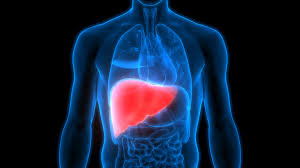
A groundbreaking study from MIT researchers reveals how prolonged high-fat diets push liver cells into a primitive survival mode, dramatically increasing cancer risk by reprogramming their genetic activity. Published December 22, 2025, in Cell, the research demonstrates that this cellular shift explains why steatotic liver disease often progresses to hepatocellular carcinoma (HCC), the most common liver cancer. Conducted primarily in mice with validation in human samples, the findings highlight a critical mechanism linking dietary fat overload to tumorigenesis, urging renewed focus on metabolic health.
Study’s Key Findings
Researchers fed mice a high-fat diet and tracked liver cells using single-cell RNA-sequencing across disease stages, from inflammation to scarring and cancer. Mature hepatocytes, the liver’s primary functional cells, activated survival genes that resist cell death (apoptosis) and boost proliferation while shutting down genes for metabolism and protein secretion—prioritizing individual cell survival over organ function. By study’s end, nearly all high-fat diet mice developed liver tumors within a year, a process likened to cells getting a “head start” on cancer hallmarks. Transcription factors like SOX4, typically active in fetal development, drove this reversion to a stem-cell-like state, making cells vulnerable to mutations.
Human liver biopsies mirrored these changes: survival genes rose and functional genes fell as disease advanced, with patterns predicting poorer survival post-tumor diagnosis. “Patients who had higher expression of these pro-cell-survival genes… survived for less time after tumors developed,” noted co-first author Constantine Tzouanas.
Expert Insights from the Team
Alex K. Shalek, senior author and MIT professor, explained: “If cells are forced to deal with a stressor, such as a high-fat diet, over and over again, they will do things that will help them survive, but at the risk of increased susceptibility to tumorigenesis.” Tzouanas added, “This really looks like a trade-off, prioritising what’s good for the individual cell… at the expense of what the collective tissue should be doing.” Omer Yilmaz and Wolfram Goessling, fellow senior authors, emphasized potential drug targets like thyroid hormone receptor (recently approved for MASH fibrosis) and HMGCS2 (in trials).
Outside experts affirm the work’s novelty. Dr. Tracey G. Simon, hepatologist at Massachusetts General Hospital, noted in prior research that NAFLD elevates HCC risk 17-fold, aligning with this dedifferentiation mechanism. The study builds on evidence that high-fat diets promote late-stage tumorigenesis more than low-fat ones.
Broader Context and Statistics
Steatotic liver disease (formerly NAFLD), driven by high-fat diets, obesity, and alcohol, affects 30% of adults globally and progresses to cirrhosis or cancer in severe cases. HCC incidence is rising, with three in five cases tied to preventable factors like obesity; NAFLD doubles HCC risk overall and multiplies it 14-fold in advanced fibrosis. In the U.S., NAFLD-linked HCC surpasses viral hepatitis as a cause; projections show increases through 2050 due to metabolic disease.
Unlike acute stress, chronic fat exposure (estimated 20 years in humans vs. 1 year in mice) gradually erodes liver maturity, amplifying risks from viruses or alcohol. Saturated fats may exacerbate promotion, per older models.
Public Health Implications
This research underscores diet’s role in cancer prevention: reducing fat intake could halt cellular reprogramming, potentially averting progression from fatty liver (affecting 25-30% with cancer links) to HCC. Weight loss via GLP-1 drugs like semaglutide or healthier diets may reverse changes, restoring hepatocyte maturity—future mouse tests will probe this. For at-risk groups (obese, diabetic), screening via FibroScan or blood tests gains urgency, as early NAFLD stages already heighten cancer odds.
Practical steps include swapping saturated fats for unsaturated sources, pairing with exercise to combat insulin resistance—a key NAFLD driver. Policymakers should prioritize anti-obesity campaigns, given NAFLD’s extrahepatic cancer ties (e.g., pancreas, breast) and 27% overall cancer risk hike.
Limitations and Future Directions
Mouse models accelerate disease, so human timelines vary; genetic factors or confounders like fibrosis weren’t fully isolated. No direct causation from diet alone to cancer was proven—mutations still trigger tumors—but the “priming” effect is robust. Human data relied on existing biopsies, limiting causality claims.
Ongoing work targets SOX4 and others for drugs preventing dedifferentiation; reversibility via diet swaps or meds remains key questions. “We now have… new molecular targets… to improve outcomes,” Shalek said. Larger cohorts and trials will clarify reversibility and personalize risks.
Medical Disclaimer
Medical Disclaimer: This article is for informational purposes only and should not be considered medical advice. Always consult with qualified healthcare professionals before making any health-related decisions or changes to your treatment plan. The information presented here is based on current research and expert opinions, which may evolve as new evidence emerges.
References
- https://health.economictimes.indiatimes.com/news/industry/study-shows-high-fat-diets-give-liver-cancer-a-dangerous-head-start/126296758?utm_source=top_story&utm_medium=homepage