 0
0
 0
0
Understanding Iron Deficiency
Iron deficiency remains a widespread yet often unrecognized health issue among women. According to the World Health Organization (WHO), approximately 30% of women between the ages of 15 and 49 suffer from anemia, with the figure rising to 37% among pregnant women. Despite its prevalence, iron deficiency can be surprisingly difficult to diagnose, especially in its early stages.
Key Signs Frequently Overlooked
Dr. Pedi Mirdamadi, a naturopathic doctor and holistic nutritionist, highlights three crucial but commonly missed signs of iron deficiency in women:
-
Chronic Fatigue
-
Persistent exhaustion or lack of energy can signal low iron levels. This symptom is often attributed to stress, a busy lifestyle, or inadequate sleep, leading to missed diagnoses.
-
-
Lightheadedness or Dizziness
-
Feeling dizzy or lightheaded, particularly when standing up suddenly or during physical activity, may suggest reduced hemoglobin production resulting from low iron. This symptom is frequently mistaken for dehydration or other benign causes.
-
-
Cold Hands and Feet
-
Experiencing cold extremities even in warm environments is another sign of possible iron deficiency. Poor circulation and an impaired ability to regulate body temperature may stem from low iron—yet this complaint is often overlooked or attributed to unrelated issues.
-
Importance of Proper Diagnosis
Dr. Mirdamadi warns that standard blood count and serum iron tests may not provide a complete picture. Measuring ferritin, the storage form of iron, is vital for an accurate diagnosis. Low ferritin can cause symptoms even when regular iron levels appear normal.
Why Iron Matters
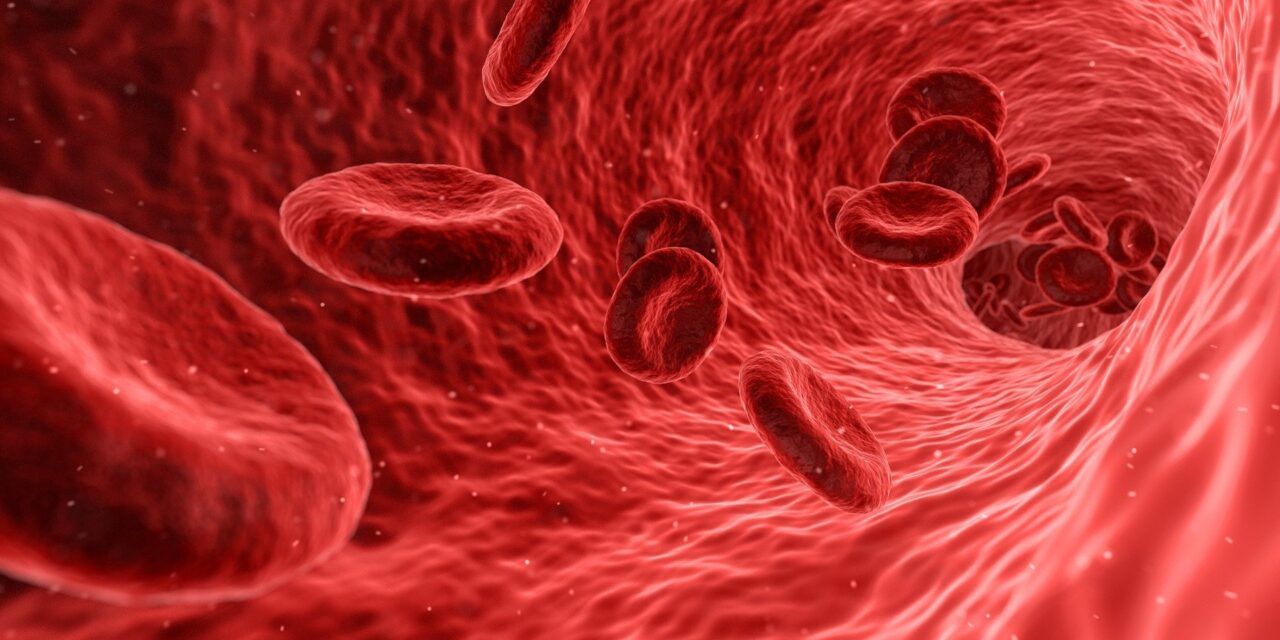
Iron is essential for the production of hemoglobin in red blood cells, which transport oxygen throughout the body. Insufficient iron impairs this process, potentially leading to iron deficiency anemia and a cascade of health issues.
Conclusion
Chronic fatigue, unexplained dizziness, and persistently cold hands or feet should not be overlooked. Women experiencing these symptoms are encouraged to consult healthcare professionals and request comprehensive iron testing, including ferritin levels.
Disclaimer: This article is for informational purposes only and does not substitute professional medical advice, diagnosis, or treatment. Always consult a qualified healthcare provider with any questions regarding a medical condition or symptoms.