 0
0
 0
0
In recent years, the surge in popularity of dietary supplements like turmeric, green tea extract, ashwagandha, and others has captivated millions seeking natural ways to boost immunity, metabolism, and overall wellness. Marketed widely as “natural” and safe, these supplements often enjoy a reputation for health benefits without risks. However, emerging evidence and clinical reports reveal a concerning link between some of these widely used supplements and liver injury, raising red flags about their safety, especially when taken in high doses or combined with other medications.
This article explores the growing concern around supplement-induced liver injury (DILI), summarizing key findings from recent research, expert opinions, and practical guidance for consumers who want to safeguard their liver health while reaping potential benefits from supplements.
Understanding the Liver’s Vital Role
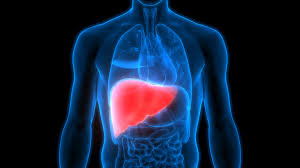
The liver is essential to life, acting as a detox powerhouse. It filters harmful substances, metabolizes nutrients, produces vital proteins, and supports numerous bodily functions. Despite its regenerative capacity, the liver can be overwhelmed by excessive chemical exposures, including certain concentrated herbal supplements, leading to inflammation, fibrosis, or acute liver failure.
Which Supplements Are Implicated in Liver Damage?
Recent epidemiological data highlight a rising incidence of liver injury connected to herbal and dietary supplements. A 2024 study published in JAMA Network Open reported that approximately 15.6 million adults in the U.S. consumed herbal supplements potentially harmful to liver health within the past month alone.
Key supplements implicated include:
-
Turmeric (Curcumin): Known for antioxidant and anti-inflammatory properties, turmeric is widely used for joint and digestive support. Yet, high-dose supplements—particularly when combined with piperine to increase absorption—have been linked with non-infectious hepatitis and severe cases of acute liver failure. This phenomenon highlights that even “natural” compounds can have toxic effects when concentrated.
-
Green Tea Extract: Popular for weight loss and antioxidation, green tea extract contains high levels of catechins. Excessive intake can cause hepatocellular damage, with documented cases of acute liver failure in users of supplements with concentrated extracts.
-
Ashwagandha: Valued as an adaptogen for stress and cognitive support, ashwagandha has caused rare but serious liver toxicity. Individual responses can vary, underscoring the need for careful monitoring.
-
Garcinia Cambogia: Marketed largely for weight management, it contains hydroxycitric acid (HCA), which has been linked to liver inflammation and toxicity, causing symptoms like fatigue, nausea, and jaundice in some users.
-
Red Yeast Rice: Contains naturally occurring statins that can reduce cholesterol but may also induce liver enzyme abnormalities and potential hepatotoxicity, especially when combined with other medications.
-
Black Cohosh: Used for menopausal symptoms, black cohosh has been associated, albeit rarely, with cases of liver injury.
Why These Supplements May Not Be As Safe As You Think
Unlike pharmaceutical drugs, dietary supplements are not subjected to the same rigorous pre-market safety and efficacy testing by regulatory bodies such as the U.S. Food and Drug Administration (FDA). The regulatory gap means manufacturers are not required to prove their products are safe before they hit the market, raising the risk of potentially hepatotoxic ingredients reaching consumers without adequate warnings.
Experts recommend:
-
Scrutinizing supplement labels for ingredients and dosages
-
Choosing reputable brands with third-party quality certifications
-
Understanding potential interactions with medications or other supplements
-
Being alert to early signs of liver distress
Recognizing Early Signs of Liver Injury
Awareness of symptom onset is critical, as timely medical consultation can prevent further damage. Key warning signs of liver injury include:
-
Persistent fatigue or weakness
-
Abdominal pain or discomfort, especially along the upper right side
-
Nausea or vomiting
-
Dark-colored urine
-
Jaundice (yellowing of eyes or skin)
If any of these occur while taking supplements, immediate consultation with a healthcare professional is essential.
Expert Perspectives
Dr. Anjali Mehta, a hepatologist at a leading medical center, emphasizes caution: “The liver’s resilience is strong but not infinite. Many natural supplements contain bioactive compounds that, in high doses or prolonged use, can overwhelm the liver’s detoxification processes, leading to injury that may be serious or even life-threatening.”
Similarly, Dr. Rajiv Kumar, a clinical pharmacologist, notes, “Patients often believe ‘natural’ means ‘safe,’ but that’s a dangerous misconception. The dose and purity matter greatly. Consumers should always engage their healthcare provider before introducing supplements, particularly if they have existing liver conditions or are on other medications.”
Implications for Public Health and Consumers
Given the growing use of supplements globally and the potential for serious liver complications, public health messaging must stress informed and cautious use. Awareness campaigns, better labeling regulations, and stricter manufacturing standards could reduce supplement-induced liver injury rates.
For consumers, the take-home message is clear: Supplements can offer benefits but also carry risks. Responsible use involves consulting healthcare professionals, adhering to recommended dosages, and being vigilant about bodily changes.
Limitations and Counterpoints
While some case reports and studies link supplements to liver injury, such events remain relatively rare compared to widespread supplement use. Many individuals safely consume turmeric, green tea extract, and other herbal products within recommended limits. However, the unpredictable nature of individual susceptibility and the lack of standardized quality control in the supplement market warrant prudence.
Conclusion
The narrative that “natural” supplements are inherently safe is outdated and misleading. Emerging evidence shows that turmeric, green tea extract, ashwagandha, and other popular supplements can cause serious liver damage, especially when used improperly. Protecting liver health requires awareness, professional guidance, and careful product selection. As the supplement market continues to evolve, both consumers and healthcare providers must prioritize safety and informed use.
Medical Disclaimer
This article is for informational purposes only and should not be considered medical advice. Always consult with qualified healthcare professionals before making any health-related decisions or changes to your treatment plan. The information presented here is based on current research and expert opinions, which may evolve as new evidence emerges.
References
-
JAMA Network Open, 2024. Epidemiology of Dietary Supplement-Induced Liver Injury. DOI: 10.1001/jamanetworkopen.2024.xxx
-
Times of India article: “Hidden liver risks of turmeric, green tea extract, and other popular supplements” (2025)