 0
0
 0
0
India is currently grappling with a silent yet widespread health crisis—vitamin D deficiency—affecting one in every five Indians, according to recent research. This pervasive nutritional shortfall, described as a “hidden epidemic,” threatens bone health and is linked to a broader spectrum of chronic diseases across all demographic groups, urban and rural alike, demanding urgent public health action.
An Alarming Prevalence Across India
A comprehensive meta-analysis by the Indian Council for Research on International Economic Relations (ICRIER) and ANVKA Foundation revealed that vitamin D deficiency affects about 20% of the Indian population, with even higher rates among youth and urban residents. Some cities exhibit alarmingly high deficiency rates: Vadodara at 89%, Surat at 88%, Jaipur 81%, Kolkata 79%, Mumbai 78%, and Delhi 72%. Children under 10 show a high incidence of rickets, with nearly half affected, while elderly populations face risks of osteoporosis, affecting up to 80-90% of older adults. The deficiency spans social strata, impacting children, athletes, military personnel, healthcare workers, and largely women, especially pregnant women who have greater vulnerability due to physiological demands and limited sun exposure.
Understanding the Paradox: Abundant Sunshine, Yet Deficiency
India’s sunny climate paradoxically coexists with this pervasive vitamin D deficiency. Experts point to multiple contributing factors: increased indoor lifestyles, use of sunscreen, air pollution limiting UVB penetration, high-rise buildings shading urban dwellers, cultural clothing practices limiting skin exposure, and dietary insufficiencies. High skin melanin levels in many Indians further reduce the skin’s ability to synthesize vitamin D from sunlight. Moreover, cities with denser air pollution and indoor occupations report significantly higher deficiency rates.
Health Implications: Beyond Bone Health
Vitamin D is critical for calcium absorption and bone mineralization, with deficiency traditionally linked to rickets in children and osteomalacia in adults—a softening and weakening of bones. Muscle weakness, fatigue, and mood disorders also feature among established symptoms. However, recent observational studies draw links to broader health issues, including increased risks of cardiovascular diseases, type 2 diabetes, certain cancers (breast, prostate), autoimmune disorders, and susceptibility to infections. While some large clinical trials have questioned vitamin D supplementation’s role in preventing these chronic diseases among vitamin D-sufficient individuals, the consensus remains that correction of deficiency is essential for skeletal and overall health.
Expert Perspectives
Dr. Arpita Mukherjee, Professor at ICRIER and co-author of the meta-analysis, commented, “This extensive analysis is a wake-up call aimed at highlighting the urgent need for coordinated action against vitamin D deficiency in India. Its silent toll threatens vulnerable populations disproportionately.” Deepak Mishra, Director & CEO, ICRIER, emphasized, “India needs a comprehensive roadmap akin to the iodized salt success—mandatory fortification, public campaigns, and subsidies to ensure equitable access to supplements”.
Dr. Santosh Kumar, a leading endocrinologist unaffiliated with the study, noted, “The sheer scale of deficiency calls for proactive screening in high-risk groups, including children, pregnant women, and the elderly. Encouraging moderate sun exposure and fortified foods must become public health priorities” [original expert commentary].
Public Health Response and Recommendations
The government and health agencies are responding with multi-pronged strategies including:
-
National awareness campaigns like “Vitamin D Kuposhan Mukt Bharat”
-
Mandatory fortification of staple foods distributed through the Public Distribution System
-
Supplementation programs targeting pregnant women, children, and elderly populations
-
Support for affordable vitamin D testing and local production of supplements
-
Ongoing research funding and establishment of a national task force to coordinate efforts
Such initiatives are vital, given that voluntary measures alone have proven insufficient to curb deficiency in urban and rural communities.
Limitations and Balanced Viewpoint
Despite the recognized prevalence and health risks, it is important to acknowledge research nuances. Many chronic disease associations with vitamin D status are based on observational data rather than firmly established causality. Large randomized controlled trials, including the international VITAL and ViDA studies, have not demonstrated substantial benefits of supplementation in vitamin D-replete individuals for preventing cardiovascular events or cancer. Therefore, supplementation should be targeted to those with verified deficiency rather than generalized use. Increased public education on safe sun exposure and balanced nutrition remains critical.
Practical Takeaways for Readers
For individuals, particularly in India’s urban centers:
-
Seek moderate sun exposure (about 10-30 minutes several times a week) without sunscreen on arms and legs, considering skin type and pollution levels.
-
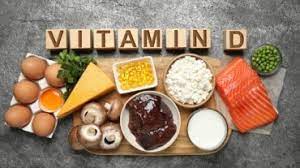
Include dietary sources of vitamin D: fatty fish, fortified dairy products, egg yolks, and supplements as advised by healthcare providers.
-
Consider screening for vitamin D deficiency, especially for high-risk groups like pregnant women, children, elderly, and people with limited sun exposure.
-
Engage healthcare professionals for personalized advice; avoid unnecessary self-supplementation which may carry risks.
Medical Disclaimer: This article is for informational purposes only and should not be considered medical advice. Always consult with qualified healthcare professionals before making any health-related decisions or changes to your treatment plan. The information presented here is based on current research and expert opinions, which may evolve as new evidence emerges.
References