 0
0
 0
0
For the first time, Lyme disease—a tick-borne infection more commonly reported in the United States and Europe—has been clinically confirmed in Himachal Pradesh, India. This significant medical development emerged after a systematic study conducted between 2022 and 2024 by medical experts from Dr. RP Medical College, Tanda, IGMC Shimla, and AIIMS New Delhi, with support from the Indian Council of Medical Research (ICMR). The breakthrough diagnosis has raised awareness about this rare but potentially serious disease in the hill state and underscored the urgency for public and professional vigilance.
What Is Lyme Disease and How Is It Transmitted?
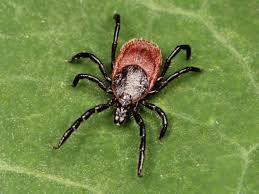
Lyme disease is caused by the bacterium Borrelia burgdorferi, transmitted through the bite of infected ticks, primarily found in forested and peri-domestic areas. Ticks acquire the bacteria from reservoir animals like mice and birds and then transmit it when they bite humans, particularly between May and September when ticks are most active. The bacteria enter the bloodstream through tick saliva during feeding, making early detection essential to prevent systemic spread.
Key Findings of the Himachal Study
The research team screened 405 clinical samples—with a mixture of blood, cerebrospinal fluid, and skin biopsies—from symptomatic individuals suspected of having Lyme disease. Initial screening via ELISA testing at IGMC Shimla identified 161 possible positives. Confirmatory Western Blot tests at AIIMS New Delhi confirmed 17 definitive cases of Lyme disease among patients from various districts of Himachal Pradesh. Prior to this, Lyme disease in India had only been suspected or reported in isolated cases without robust clinical confirmation.
Dr. Sanjay Mahajan, Professor of Medicine at Dr. RP Medical College and lead investigator, emphasized that the absence of appropriate diagnostic kits in India delayed identification until recently, necessitating procurement from abroad. This study firmly establishes the presence of Lyme disease in Himachal Pradesh and brings it into focus as a local public health concern.
Symptoms and Clinical Progression
The disease often begins with a distinctive red rash at the site of the tick bite called erythema migrans, sometimes resembling a “bull’s-eye.” This is typically followed by systemic symptoms such as fever, headache, muscle aches, and profound fatigue. If untreated, the infection can progress over weeks to months to involve multiple body systems.
Advanced Lyme disease manifestations include multiple rashes, neck stiffness, vision problems, joint pain, and neurological complications such as facial palsy or meningitis. In severe cases, the infection can affect the heart (causing Lyme carditis), brain, and nervous system, potentially leading to life-threatening or disabling conditions.
Treatment and Prevention
Timely administration of antibiotics remains the cornerstone of effective treatment. Early-stage Lyme disease usually responds well to a two-week course of doxycycline. In complicated cases involving cardiac or neurological involvement, a combination regimen of doxycycline and intravenous ceftriaxone may be required for up to four weeks.
Medical experts advise anyone who has had a recent tick bite to monitor for symptoms closely and seek immediate medical attention if signs appear. Removing ticks promptly and properly, using insect repellents, and wearing protective clothing in tick-infested areas can reduce infection risk.
Expert Perspectives and Public Health Implications
Dr. Santvana Verma, Head of Microbiology at IGMC Shimla, urged healthcare providers across Himachal Pradesh to recognize the disease’s varied clinical presentations to enable early diagnosis and treatment. Awareness campaigns directed at both the public and healthcare workers are critical to reduce delayed diagnoses that can lead to complications.
Noted epidemiologists highlight that increased outdoor tourism and forest exposure in Himachal Pradesh may lead to more cases, necessitating strengthened surveillance and diagnostic capacities. The confirmation of Lyme disease in the region also calls for integrated public health strategies including preventive education, diagnostic readiness, and timely treatment access.
Study Limitations and Ongoing Research
Though this landmark study confirms Lyme disease in Himachal Pradesh, the sample size and geographic scope suggest that further research is needed to understand its true prevalence and distribution in India. Diagnostic challenges remain due to the complexity of testing and potential for co-infections with other tick-borne diseases. Currently, India lacks indigenous diagnostic kits, which limits timely confirmation.
Ongoing research efforts are also focusing on vaccine development and improved diagnostic tools to better manage Lyme disease worldwide.
What This Means for Residents and Visitors
For residents and tourists in the hill state, it is crucial to adopt tick bite prevention measures especially during peak risk months. Being aware of symptoms and seeking early medical care can greatly improve treatment outcomes. This new evidence of Lyme disease in Himachal Pradesh underscores the importance of integrating tick-borne disease awareness into public health priorities in India.
Medical Disclaimer
Medical Disclaimer: This article is for informational purposes only and should not be considered medical advice. Always consult with qualified healthcare professionals before making any health-related decisions or changes to your treatment plan. The information presented here is based on current research and expert opinions, which may evolve as new evidence emerges.
References