 0
0
 0
0
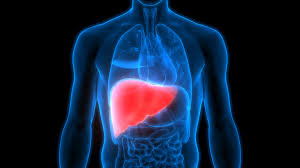
The World Health Organization’s International Agency for Research on Cancer (IARC) has officially classified the hepatitis D virus (HDV) as carcinogenic to humans. This latest development, announced in mid-2025, places HDV alongside hepatitis B virus (HBV) and hepatitis C virus (HCV) as established causes of hepatocellular carcinoma (HCC), a primary liver cancer. The classification highlights increasing evidence that HDV co-infection significantly elevates the risk of liver cancer, demanding urgent global attention toward screening, vaccination, and treatment strategies.
Understanding Hepatitis D and its Cancer Risk
Hepatitis D is a unique and defective virus that requires the presence of hepatitis B virus for its replication and infectivity. It exclusively infects individuals who already carry chronic HBV infection. This co-infection or superinfection exacerbates liver inflammation and accelerates progression to severe liver diseases, including cirrhosis and liver cancer. Studies suggest that people with HBV-HDV co-infection face a two- to six-fold increase in risk of developing HCC compared to those with HBV infection alone.
Approximately 12 million people worldwide are estimated to have HDV co-infection, representing about 5% of all chronic HBV cases, though the true prevalence may be higher due to underdiagnosis. Regions with the highest prevalence include parts of Asia, Africa, the Mediterranean basin in Europe, and the Amazon Basin. Certain high-risk groups such as people who inject drugs and patients undergoing haemodialysis face higher exposure.
Symptoms of hepatitis D infection are often subtle or nonspecific, including fatigue, nausea, abdominal discomfort, dark urine, and jaundice, which causes many cases to remain undiagnosed until advanced liver disease develops. Transmission occurs through contact with infected blood, unprotected sex, unsafe injections, and from mother to child at birth.
Expert Perspectives on the New Classification
Dr. Meg Doherty, WHO’s incoming Director of Science for Health, emphasized that the classification of hepatitis D as carcinogenic marks a critical milestone in the global fight against viral hepatitis. She highlighted the need to expand awareness, increase screening, and integrate innovative therapies to reduce liver cancer cases caused by hepatitis infections.who
Dr. Piyush Ranjan, gastroenterologist and vice-chairperson at the Institute Of Liver Gastroenterology & Pancreatic Biliary Sciences, Sir Ganga Ram Hospital, New Delhi, noted the particular challenges in India, where hepatitis D prevalence remains low overall but may be underestimated in high-risk populations. He stressed the importance of public education on safe blood use, avoidance of needle sharing, and safe sexual practices to curb HDV transmission.
Recent advancements in hepatitis D management include the approval of the antiviral drug bulevirtide in the European Union for treating chronic HDV infection, alongside pegylated interferon therapies. However, these treatments require further validation and wider accessibility globally, especially in low- and middle-income countries.
Context and Background
Viral hepatitis types B, C, and D are known for their ability to cause chronic liver infections that may progress to cirrhosis, liver failure, or hepatocellular carcinoma. They collectively affect more than 300 million people worldwide and are responsible for over 1.3 million deaths annually, mainly due to liver cirrhosis and cancer. Despite this, many affected individuals are unaware of their infection status, underscoring a significant public health challenge.
The recent classification by IARC follows a comprehensive review of epidemiological studies that consistently demonstrated a higher risk of liver cancer in patients with HDV co-infection compared to HBV mono-infection. This supports the classification of HDV as a Group 1 carcinogen, the highest level indicating sufficient evidence of carcinogenicity in humans.
Implications for Public Health and Personal Health Decisions
This classification reinforces the critical need for global health systems to prioritize hepatitis D in their viral hepatitis programs. Vaccination against hepatitis B remains the only effective preventive measure against hepatitis D infection since HDV requires HBV presence to replicate. Many countries have introduced hepatitis B birth dose vaccination, yet gaps remain in implementation and coverage.
For individuals, the message is clear: vaccination against hepatitis B is essential to prevent both HBV and HDV infections. Early testing and diagnosis, especially among high-risk groups, facilitate timely treatment and reduce the progression to severe liver disease. Health experts recommend avoiding sharing needles, practicing safe sex, and ensuring blood safety during medical procedures as preventive measures.
While hepatitis C can now be cured with oral antiviral medications in 2 to 3 months, treatment for hepatitis B and D remain more complex. Emerging therapies, including bulevirtide and combination regimens, show promise but require broader availability and further research to optimize outcomes.
Limitations and Counterarguments
Despite the robust evidence linking hepatitis D to increased liver cancer risk, challenges remain in precise global prevalence estimates due to underdiagnosis and limited screening in many countries. Additionally, treatment accessibility is uneven, particularly in resource-limited settings. The long-term efficacy and safety of novel drugs warrant ongoing investigation.medscape+2
Moreover, public awareness of hepatitis D is considerably lower than hepatitis B and C, which may hinder early detection efforts. Surveillance and health system strengthening are crucial to address these gaps comprehensively.
Medical Disclaimer
This article is for informational purposes only and should not be considered medical advice. Always consult with qualified healthcare professionals before making any health-related decisions or changes to your treatment plan. The information presented here is based on current research and expert opinions, which may evolve as new evidence emerges.
References
-
Medscape. Hepatitis D Virus Classified as Carcinogenic: Implications. October 3, 2025. https://www.medscape.com/viewarticle/hepatitis-d-virus-classified-carcinogenic-implications-2025a1000qkdmedscape