 0
0
 0
0
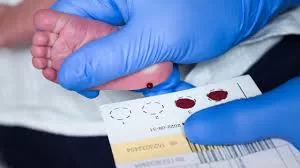
In hospitals across the United States, a familiar scene unfolds in every postpartum unit: a nurse gently pricks the heel of a newborn, collecting drops of blood on a filter paper. This simple act, known as the heel prick test, has long been a cornerstone of newborn health screening, traditionally used to detect rare but treatable conditions such as sickle cell anaemia and cystic fibrosis.
But as genetic technology advances, this routine test is taking on a new, more complex role. Today, researchers and clinicians are exploring the potential of using the same blood sample to scan for hundreds of genetic markers, including those that may indicate a risk for incurable diseases or conditions that manifest much later in life—such as autism or adult-onset cancers.
The Promise and the Dilemma
The cost of genome sequencing has plummeted, making it increasingly feasible to analyze a newborn’s entire genetic blueprint. Tens of thousands of parents in the US have already enrolled their babies in research projects that sequence hundreds of genes, hoping to glean insights that could shape their child’s future health.
The possibilities are vast. Since nearly every disease has some genetic component, the heel prick blood spot becomes a gateway to a wealth of information—some of it lifesaving, some potentially distressing. For example, early detection of mutations linked to conditions like Type 1 spinal muscular atrophy (SMA) can be transformative: if therapy begins within weeks of birth, children can avoid severe disability and even death.
However, the prospect of learning about incurable or untreatable conditions raises thorny ethical questions. Some experts warn that such knowledge may burden parents with anxiety and despair, especially when no effective intervention exists. Others argue that foreknowledge, even of incurable risks, can empower families to seek early therapies or support that could maximize a child’s development and quality of life.
“Parents understood that it’s there, regardless of whether you read it out. They told us: if it’s going to be what it’s going to be, I’d rather feel empowered to potentially maximise my child’s outcome,” said Dr. Wendy Chung, a leading pediatric geneticist.
Newborn Screening in India
While the US and some other countries have established newborn screening programs, India does not have a national policy. Some states, like Kerala, offer free tests for a handful of genetic disorders, but most screenings are conducted in private hospitals and come at a cost—typically between Rs 5,000 and Rs 25,000. These tests, performed within 48 to 72 hours of birth, can detect a range of metabolic and genetic disorders, including thalassemia, SMA, and Pompe Disease.
Dr. Jayashree Mondkar, a senior neonatologist in Mumbai, emphasizes that genetic testing is usually recommended only for high-risk cases, given the costs and the emotional impact of results for rare, often incurable conditions. Early diagnosis, however, can guide critical medical decisions and potentially reduce the financial and emotional burden on families.
The Future of Newborn Screening
As genome sequencing becomes more accessible, the boundaries of what should be tested—and when—are being debated. The World Health Organization’s principles for population-based screening emphasize the need for consensus and available treatments, yet no such oversight exists for whole-genome sequencing in newborns.
Some experts advocate for excluding information about adult-onset diseases to protect a child’s future autonomy, while others see genetic forecasting as the future of personalized medicine—if used with care and ethical consideration.
Disclaimer:
This article is based on information reported by The Times of India and reflects ongoing research and expert opinion regarding newborn genetic screening. The medical and ethical implications of such testing are evolving, and parents should consult qualified healthcare professionals before making decisions about genetic tests for their children. The content is intended for informational purposes only and should not be construed as medical advice.