 0
0
 0
0
New Delhi — In a significant development that addresses growing public anxiety regarding sudden deaths among young adults, a comprehensive study conducted by the All India Institute of Medical Sciences (AIIMS), New Delhi, and the Indian Council of Medical Research (ICMR) has found no evidence linking COVID-19 vaccination to unexplained sudden fatalities. The findings, published yesterday in the Indian Journal of Medical Research (IJMR), conclusively identify cardiovascular disease—specifically coronary artery disease (CAD)—as the primary cause of sudden death in adults aged 18 to 45, debunking widespread speculation that the post-pandemic rise in such tragic events was driven by vaccination.
Debunking the Myth: Evidence Over Anxiety
The release of the study, titled “Burden of Sudden Death in Young Adults: A One-Year Observational Study at a Tertiary Care Centre in India,” comes at a critical juncture. For nearly three years, social media platforms have been inundated with viral videos of seemingly healthy young individuals collapsing in gyms, at weddings, or during daily commutes. These incidents fueled a parallel pandemic of fear, with many attributing the phenomenon to the COVID-19 vaccines rolled out during the global health crisis.
However, the new autopsy-based research offers a robust scientific rebuttal to these claims. Conducted between May 2023 and April 2024 by the Departments of Pathology and Forensic Medicine at AIIMS, the study analyzed 2,214 autopsies. Of these, 180 cases met the strict medical criteria for “sudden death,” defined as death occurring within one hour of symptom onset or within 24 hours of the deceased last being seen alive.
The researchers focused heavily on the younger demographic, identifying 103 cases of sudden death in the 18-45 age group. The results were clear: vaccination status had no statistically significant association with these fatalities.
“The present study did not find any significant correlation between COVID-related history or vaccination status and sudden deaths,” the report stated. Instead, it highlighted that the vaccination rates among those who died suddenly were comparable to the general population, effectively ruling out the vaccine as a disproportionate risk factor.
The Real Culprit: Silent Cardiovascular Disease
If not vaccines, then what? The study’s findings point to a more familiar, yet perhaps more alarming, adversary: undiagnosed heart disease.
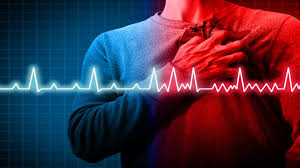
According to the data, cardiovascular issues accounted for 42.6% of sudden deaths in the young adult cohort. The most prevalent condition was coronary artery disease (CAD), a condition where the arteries supplying blood to the heart become narrowed or blocked.
Dr. Sudhir Gupta, Head of Forensic Medicine at AIIMS and one of the study’s authors, emphasized the “silent” nature of these conditions. “Most of these young individuals had advanced coronary artery disease with severe blockages that had never been diagnosed while they were alive,” he noted. “This indicates that fatal heart disease had progressed silently, without overt symptoms, until it triggered a sudden collapse.”
In comparison, among the older demographic (aged 46-65), CAD was responsible for over 72% of sudden deaths. The high prevalence of such severe heart disease in a cohort as young as 18 to 45 is a “disturbing trend” that researchers argue warrants immediate public health attention.
Expert Perspectives: A Call for Lifestyle Overhaul
The study also shed light on the lifestyle factors contributing to this crisis. Detailed analysis revealed that a significant proportion of the young victims were smokers or consumers of alcohol—habits known to accelerate cardiovascular decline.
Dr. Sudheer Arava, Professor of Pathology at AIIMS, stressed that the conversation must shift from vaccine hesitancy to lifestyle modification. “The publication of this study assumes particular significance in light of misleading claims,” Dr. Arava said. “Our findings do not support the theory that vaccines are to blame. Instead, they highlight that sudden deaths, while tragic, are often related to underlying, sometimes undiagnosed medical conditions, especially cardiovascular diseases.”
Independent experts agree. Dr. K.K. Talwar, Chairman of the PSRI Heart Institute, who was not involved in the study but reviewed its findings, noted that the data exposes a gap in our preventive healthcare. “This highlights a disturbing rise in premature coronary artery disease,” Dr. Talwar commented. “We need to focus on early preventive check-ups, strict avoidance of tobacco and alcohol, and routine heart evaluations in younger people.”
Understanding the “Negative Autopsy”
While heart disease explained the majority of cases, the study also noted that roughly one-fifth of the sudden deaths in young adults remained “unexplained” even after detailed autopsies and microscopic examinations. These are often referred to as “negative autopsies.”
Medical experts posit that these cases are likely due to inherited electrical disorders of the heart—such as long QT syndrome or Brugada syndrome—which cause fatal arrhythmias but leave no physical trace on the heart muscle that can be seen during a standard post-mortem. This underlines the necessity for genetic testing and family screening in cases of unexplained sudden death to protect surviving relatives who might carry the same genetic risks.
Implications for Public Health
The implications of the AIIMS-ICMR study are far-reaching. For the public, it offers reassurance regarding the safety of COVID-19 vaccines, which have saved millions of lives globally. For the healthcare system, it serves as a wake-up call regarding the cardiovascular health of young Indians.
The data suggests that the threshold for cardiac screening needs to be lowered. Standard advice often recommends heart check-ups starting at age 40 or 45, but with over 57% of the sudden deaths in this study occurring in the 18-45 bracket, there is a compelling argument for starting lipid profiles, blood pressure monitoring, and cardiac evaluations much earlier.
Conclusion
As misinformation continues to circulate in the digital age, the AIIMS-ICMR study stands as a pillar of evidence-based medicine. It redirects the narrative from fear of a life-saving intervention (vaccines) to the tangible, manageable risks of lifestyle and genetics. The tragedy of young lives lost is not minimized by these findings; rather, it is clarified, offering a roadmap for prevention that lies not in avoiding vaccines, but in embracing heart-healthy living and early medical intervention.
Medical Disclaimer:
This article is for informational purposes only and should not be considered medical advice. Always consult with qualified healthcare professionals before making any health-related decisions or changes to your treatment plan. The information presented here is based on current research and expert opinions, which may evolve as new evidence emerges.
References:
-
Burden of Sudden Death in Young Adults: A One-Year Observational Study at a Tertiary Care Centre in India. Indian Journal of Medical Research (IJMR), published December 14, 2025.
-
AIIMS study finds no link between Covid vaccination and sudden deaths in young adults. The Hindu, December 14, 2025.