 0
0
 0
0
Businessman’s Sudden Death Sparks Questions
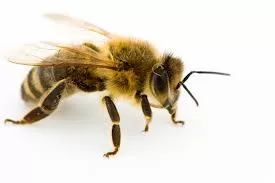
The recent passing of businessman Sunjay Kapur, reportedly after a bee flew into his mouth, has raised concerns about the dangers posed by insect stings and bites. While initial reports suggested a sudden heart attack, experts caution that it is essential to confirm the exact cause of death and whether the insect involved was indeed a bee, wasp, or hornet.
Can Swallowing a Bee Cause a Heart Attack?
According to Dr. Sabarish B Nair, consultant in emergency medicine and critical care, most insect bites or stings cause mild allergic reactions that subside once the stinger is removed. However, in some individuals, these stings can trigger anaphylaxis—a severe, potentially life-threatening allergic reaction. Although there are anecdotal reports of heart attacks (myocardial infarctions) following bee or wasp stings, these typically occur days or weeks after the sting as part of a hypersensitive or allergic response. Dying of a heart attack immediately after a bee sting is considered highly unlikely, but anaphylaxis remains a known and serious complication.
Preventing Fatalities from Bee and Wasp Stings
To reduce the risk of severe reactions or fatalities from bee, wasp, or other insect stings, experts recommend several preventive measures1:
-
Avoid disturbing or handling hives unless properly trained.
-
Use protective gear for the face and body when working near hives.
-
Wear tight, light-coloured, long-sleeved clothing in high-risk areas.
-
Refrain from wearing bright, flower-patterned clothes or using scented products that attract insects.
-
Be cautious around plants and materials that may attract bees and wasps, such as open sweet drinks, cloves, or dandelions.
If a cardiac emergency occurs, immediate cardiopulmonary resuscitation (CPR) should be initiated, regardless of whether the cause is an insect sting or primary cardiac arrest.
Why Are Fatalities Increasing?
Recent deaths in Kerala have been linked to accidental or intentional disturbances of hives, often resulting in multiple stings. Other contributing factors include increased overlap between human activity and insect habitats, particularly in tourism hotspots, as well as environmental and ecological changes. Lack of public awareness and insufficient preventive measures also play a role. Experts strongly advise against attempting to remove hives near homes or workplaces without adequate protection or training; instead, fire services or forest departments should be contacted.
Who Is Most at Risk?
Certain groups are more vulnerable to complications from bee or wasp stings, including:
-
Beekeepers, honey collectors, and agricultural or forest workers
-
Individuals with a history of allergic reactions to bee or wasp stings
-
Children, older adults, and people with heart or lung diseases (such as coronary artery disease or asthma)
-
Immunocompromised patients
Life-Saving Measures
For those with a history of severe allergic reactions, adrenaline auto-injectors can be a life-saving first aid tool, delivering a rapid dose of adrenaline to treat anaphylaxis. Unfortunately, access to these devices remains limited in many areas.
Disclaimer
This article is for informational purposes only and should not be considered medical advice. For any health concerns or emergencies, please consult a qualified healthcare professional immediately.