 0
0
 0
0
January 3, 2026
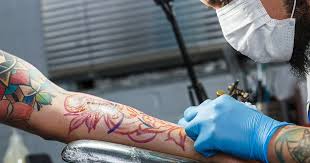
MUMBAI — As tattoo studios from Colaba to Bandra report record-breaking demand, a shadow of scientific concern is beginning to trail India’s booming body art industry. While tattoos have transitioned from counter-culture symbols to mainstream accessories for Bollywood stars and corporate professionals alike, a series of international longitudinal studies are raising alarms about the long-term oncological implications of permanent ink.
Recent research suggests that the quest for self-expression may carry an unintended biological price. Studies from Northern Europe have identified a potential correlation between tattoo ink and an increased risk of certain cancers, particularly lymphoma and skin-related malignancies. While the medical community isn’t calling for a total moratorium on “getting inked,” they are urging a shift toward stricter ink regulation and heightened consumer awareness.
The Microscopic Journey: From Skin to Lymph Nodes
The primary concern for researchers isn’t just the surface-level application of the art, but where the ink goes after the needle leaves the skin. Tattoo ink is not a static substance; it is a complex chemical cocktail.
“When ink is injected into the dermis, the body’s immune system recognizes it as a foreign invader,” explains Dr. Ananya Sharma, an oncologist based in Mumbai (not involved in the recent studies). “Macrophage cells attempt to clear the pigment, but many particles are too large. Instead, these nanoparticles often migrate through the lymphatic system, eventually lodging in the lymph nodes.”
This migration is at the heart of a landmark study from Lund University in Sweden, published in eClinicalMedicine. Researchers found that tattooed individuals had a 21% higher risk of developing lymphoma compared to non-tattooed counterparts. Crucially, the study suggested that the risk was highest within the first two years of receiving a tattoo, though it remained elevated throughout the individual’s life.
The Scale of the Risk: New Data from Denmark
Furthering these concerns, a comprehensive study from Denmark, published in BMC Public Health, analyzed data from nearly 6,000 twins to account for genetic variables. The findings were stark:
-
Overall Cancer Risk: Tattooed individuals showed a 62% higher risk of a cancer diagnosis compared to those without tattoos.
-
Skin Cancer: The likelihood of developing skin cancer was 1.6 times higher in tattooed participants.
-
The “Dose” Effect: Size matters. Individuals with tattoos larger than the size of a palm faced a 2.4 times higher risk of skin cancer and a 2.7 times higher risk of lymphoma.
“The twin-study model is the gold standard for controlling environmental and genetic factors,” says Dr. Marcus Nielsen, a researcher specializing in environmental health. “Even when adjusting for smoking, BMI, and socioeconomic status, the association between tattoos and these specific cancers remained statistically significant.”
The Chemistry of Color: What’s in Your Ink?
The health risks are largely attributed to the chemical composition of the pigments. Many inks used globally contain:
-
Heavy Metals: Lead, nickel, chromium, and cadmium.
-
Polycyclic Aromatic Hydrocarbons (PAHs): Often found in black inks, many PAHs are known carcinogens.
-
Azo Pigments: Frequently used in bright reds and yellows; these can degrade into primary aromatic amines, which are linked to bladder cancer.
In Europe, the REACH (Registration, Evaluation, Authorisation and Restriction of Chemicals) regulations have already banned over 4,000 chemicals used in tattoo inks. However, in India, the industry remains largely self-regulated. This lack of oversight means that cheaper, imported inks—which may contain banned substances—can easily find their way into local studios.
A Nuanced View: Limitations and Counter-Arguments
Despite the alarming percentages, the medical community emphasizes that “correlation does not equal causation.” Many experts point out that while the relative risk increases, the absolute risk of developing these cancers remains low for the average person.
A US-based study actually showed lower rates of melanoma among those with multiple tattoos. Some researchers hypothesize that this might be due to “immunological priming,” where the immune system is kept in a state of high alert, or simply that tattooed individuals are more conscious of their skin and notice changes earlier.
Furthermore, the “masking effect” is a significant concern for dermatologists. A dark tattoo can hide a changing mole or a developing lesion, delaying a critical diagnosis.
Practical Advice for the “Ink-Curious”
For those still planning to visit a studio, experts recommend several “harm reduction” strategies:
-
Ink Transparency: Ask your artist for the Material Safety Data Sheet (MSDS) for their inks. Look for brands that comply with EU REACH standards.
-
Avoid Large “Black-Out” Areas: Since the risk appears to scale with the volume of ink, smaller designs may be safer.
-
Health History: If you have a family history of lymphoma or skin cancer, consult a dermatologist before getting a tattoo.
-
Monitor Your Nodes: Be aware of any persistent swelling in the lymph nodes near your tattoos (such as in the armpit for a sleeve tattoo).
The Future of the Industry
The solution isn’t necessarily fewer tattoos, but safer ones. “The industry needs to evolve,” says Rahul Verma, a veteran tattoo artist in Mumbai. “We are seeing more demand for ‘vegan’ and ‘organic’ inks, but ‘organic’ doesn’t always mean ‘non-carcinogenic.’ We need standardized testing and government certification in India to protect both the artists and the clients.”
As the needles continue to buzz in studios across the country, the message from health authorities is clear: treat the decision to get a tattoo with the same medical scrutiny as any other minor surgical procedure. Your skin is your largest organ; what you put into it stays with you for life.
References
- https://www.daijiworld.com/news/newsDisplay?newsID=1302508
Medical Disclaimer: This article is for informational purposes only and should not be considered medical advice. Always consult with qualified healthcare professionals before making any health-related decisions or changes to your treatment plan. The information presented here is based on current research and expert opinions, which may evolve as new evidence emerges.