 0
0
 0
0
December 10, 2025
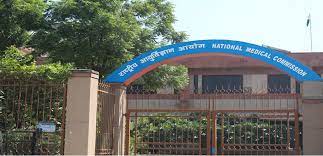
NEW DELHI – In a move to allay growing concerns among the medical fraternity, the Union Ministry of Health and Family Welfare has officially addressed the persistent technical challenges plaguing the recently launched National Medical Register (NMR). Minister of State for Health, Anupriya Patel, assured the Lok Sabha on Tuesday that the National Health Authority (NHA) is actively providing technical support to resolve all registration issues faced by doctors.
The NMR, envisioned as a comprehensive, dynamic database of allopathic doctors in India, has faced significant teething troubles since its launch in August 2024. While the initiative aims to digitize and centralize the records of over a million doctors, technical glitches have slowed the registration process, leaving many practitioners in administrative limbo.
The Current Standoff: Glitches vs. Governance
The core of the issue lies in the transition from state-level records to a unified national digital repository. According to the Health Ministry, the NHA—the technical arm responsible for implementing India’s digital health mission—has been tasked with the development and maintenance of the NMR portal.
“The technical support for the development and maintenance of the NMR Portal is provided by the National Health Authority (NHA), which also addresses and resolves any technical issues faced by doctors on the portal as and when required,” Minister Patel stated in her written reply to Parliament.
She clarified that the NMR is designed to consolidate fragmented state records into a single, verified national platform. Until the transition is complete, the credentials of Registered Medical Practitioners (RMPs) remain valid within their respective State Medical Councils (SMC).
Doctors Report “Mismatch” Nightmares
Despite the Ministry’s assurances, the on-ground reality for many doctors has been frustrating. Since the portal’s launch, medical professionals have reported widespread difficulties in completing their registration. The primary hurdles include:
-
Aadhaar Mismatches: The system requires a strict match between the name on a doctor’s Aadhaar card and their State Medical Council registration certificate. Minor spelling differences or name changes (common after marriage) have led to automatic rejections.12
-
Leg3acy Data Issues: M4any senior doctors, registered decades ago with state councils, are finding that their digitized records do not perfectly align with the new rigid data fields of the NMR.
-
Verification Delays: Reports indicate that out of thousands of applications submitted since August, a small fraction has been successfully processed, creating a backlog that has sparked anxiety about professional standing.
Dr. K.V. Babu, a health rights activist and physician who has highlighted these issues, noted that the process is “cumbersome” for working professionals. “We want a simple registration process. Ideally, the MBBS degree and State Medical Council registration certificates should be sufficient,” he told news sources, echoing a sentiment widely shared by the Indian Medical Association (IMA).
Why the NMR Matters for Public Health
The National Medical Register is not merely an administrative update; it is a critical component of India’s healthcare reform under the National Medical Commission (NMC) Act, 2019.
-
Eliminating Quackery: By linking every doctor’s license to their unique Aadhaar ID, the NMR aims to weed out unqualified individuals posing as doctors—a pervasive issue in rural and semi-urban India.
-
Patient Power: Once fully operational, the public will be able to verify the credentials of any doctor through a simple online search, fostering greater trust in the healthcare system.
-
Policy Planning: A centralized database will provide the government with real-time data on the distribution of specialists and general practitioners, enabling better workforce planning to address shortages in underserved areas.
Expert Commentary
Dr. Rajesh Gupta (name changed), a senior consultant and former member of a State Medical Council, explained the gravity of the situation. “The concept of a unique ID for every doctor is excellent and long overdue. However, technology should facilitate the profession, not hinder it. If a senior surgeon spends days fighting a portal to prove they exist, it is a loss of valuable clinical time. The NHA’s intervention is welcome, but we need a ‘fast-track’ correction window for genuine clerical errors.”
The Road Ahead
The Health Ministry has reiterated that the NMR will serve as the “single source of truth” for doctor credentials in India. The process involves a unique digital ID for every doctor, which will eventually be required to sign prescriptions and medical certificates digitally.
To streamline the process, the NMC has interlinked all medical colleges and State Medical Councils on the portal. The Ministry’s latest statement suggests that the NHA is deploying additional resources to smooth out the technical wrinkles. For now, doctors are advised to ensure their Aadhaar details are updated and to report specific technical errors directly through the portal’s grievance redressal mechanism.
Medical Disclaimer
Medical Disclaimer: This article is for informational purposes only and should not be considered medical advice. Always consult with qualified healthcare professionals before making any health-related decisions or changes to your treatment plan. The information presented here is based on current research and expert opinions, which may evolve as new evidence emerges.
References
-
Parliamentary Proceedings: Statement by Union Minister of State for Health, Smt. Anupriya Patel, Lok Sabha, December 9, 2025.