 0
0
 0
0
KOLKATA – The detection of two suspected cases of the Nipah virus (NiV) in West Bengal has triggered a swift response from state and federal health authorities. As the Ministry of Health and Family Welfare deploys a National Joint Outbreak Response Team (NJORT) to the region, medical experts are emphasizing a dual message for the public: there is no reason for widespread panic, but there is every reason for heightened caution.
The Nipah virus, a zoonotic pathogen known for its high fatality rate, has historically appeared in sporadic outbreaks across South Asia. While the current cases in West Bengal are still under investigation, the mobilization of central teams underscores the seriousness with which health officials treat any potential “spillover” of the virus from its natural reservoirs to humans.
Understanding the Nipah Virus: Transmission and Symptoms
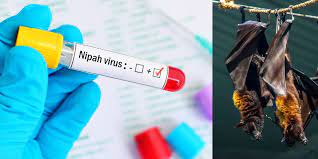
Nipah virus is primarily carried by Pteropus fruit bats. Unlike highly transmissible airborne viruses such as influenza or SARS-CoV-2, Nipah typically requires close contact with infected animals, contaminated food, or the bodily fluids of an infected person.
“Nipah virus is a zoonotic disease, meaning it can spread from animals to humans,” explains Dr. Rakesh Pandit, a senior medical practitioner. “Fruit bats are the natural carriers. People can get infected by consuming food contaminated by bat saliva or urine—such as raw date palm sap or fallen fruit—or through close physical contact with infected individuals.”
The clinical presentation of Nipah can be deceptive, often starting with non-specific symptoms that mimic a common flu. According to health experts, the progression can be rapid and severe:
-
-
Initial Stage: Fever, headache, cough, and sore throat.
-
Respiratory Stage: Acute respiratory distress (difficulty breathing).
-
Neurological Stage: Drowsiness, disorientation, and mental confusion.
-
Advanced Stage: Encephalitis (inflammation of the brain), which can lead to coma or death within 24 to 48 hours.
-
The Challenge of High Fatality and Multi-Organ Impact
One of the most concerning aspects of Nipah is its high case fatality rate (CFR). According to the World Health Organization (WHO), the CFR in previous outbreaks has ranged from $40\%$ to $75\%$.
Dr. Sushrut Ganpule, a Consultant Pulmonologist based in Pune, notes that the danger extends beyond the initial infection. “The illness is life-threatening, and survivors may experience long-term neurological problems like seizures and personality changes,” Dr. Ganpule says. He adds that healthcare workers are at a particularly high risk if stringent infection control procedures—such as the use of Personal Protective Equipment (PPE)—are not strictly followed.
Furthermore, the virus is not limited to the brain or lungs. Dr. Vineet Malhotra, a specialist in urology, points out that in severe cases, the virus can lead to multi-organ failure. “In advanced cases, we also see kidney involvement, which can worsen prognosis. This is why patients require intensive monitoring and supportive care.”
Diagnosis and Containment: “Time is Everything”
Because there is currently no approved vaccine or specific antiviral treatment for Nipah virus, early diagnosis and isolation are the primary tools for containment.
“With Nipah, time is everything,” says Dr. Aakaar Kapoor. “The symptoms can initially look like a routine viral fever, but neurological signs or breathing difficulty are red flags.” Dr. Kapoor emphasizes that testing for NiV requires high-security laboratory settings (Biosafety Level 3 or 4). Diagnostic methods include Real-Time Polymerase Chain Reaction (RT-PCR) and enzyme-linked immunosorbent assay (ELISA) to detect antibodies.
Current Treatment Landscape
As noted by Dr. Pranjit Bhowmik, medical intervention is currently limited to “supportive care.” This includes:
-
Maintaining hydration.
-
Managing fever and pain.
-
Providing mechanical ventilation for those with severe respiratory issues.
-
Treating secondary infections or seizures.
Public Health Recommendations: How to Protect Yourself
While the risk to the general public outside of the immediate contact zone remains low, doctors suggest several preventive measures to mitigate the risk of zoonotic transmission:
-
Avoid Raw Date Palm Sap: In many South Asian outbreaks, drinking raw date palm sap contaminated by bat excreta has been a primary source of infection.
-
Wash Fruits Thoroughly: Ensure all fruits are washed and peeled. Avoid eating fruit that appears to have bite marks or scratches.
-
Practice Hand Hygiene: Regular handwashing with soap and water is effective against many viral pathogens.
-
Avoid Contact with Sick Livestock: While bats are the primary reservoir, pigs can act as intermediate hosts.
Perspectives and Limitations
While the current situation in West Bengal is being monitored closely, some public health experts suggest that the “fear factor” associated with Nipah often outweighs the actual risk of a large-scale pandemic. Unlike COVID-19, Nipah does not spread efficiently through the air over long distances; transmission usually requires contact with fluids (saliva, urine, blood).
However, the lack of standardized treatments remains a significant hurdle. Researchers are currently investigating various monoclonal antibodies and antiviral drugs (such as Remdesivir), but these are not yet approved for general use against Nipah.
The deployment of the NJORT team to West Bengal is a proactive measure intended to ensure that contact tracing is exhaustive and that the “chain of transmission” is broken early.
References
- https://morungexpress.com/as-bengal-logs-nipah-cases-doctors-advise-people-not-to-panic-exercise-caution#:~:text=Doctors%20said%20that%20the%20Nipah,natural%20carriers%20of%20the%20virus.
Medical Disclaimer: This article is for informational purposes only and should not be considered medical advice. Always consult with qualified healthcare professionals before making any health-related decisions or changes to your treatment plan. The information presented here is based on current research and expert opinions, which may evolve as new evidence emerges.