 0
0
 0
0
In a groundbreaking development for aquaculture and environmental sustainability, marine biologist Padma Shri Ajai Kumar Sonkar has pioneered an innovative, antibiotic-free method for healing pearl oysters after surgical procedures using bacteriophages—natural viruses that specifically target harmful bacteria. This technology, publicly disclosed for the first time in September 2025, promises to revolutionize oyster farming by enhancing oyster recovery, improving pearl quality, and reducing the environmental impact of antibiotic use.
Natural Viruses as Eco-Friendly Healers
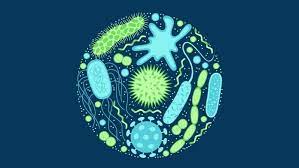
Sonkar’s research centers on the use of bacteriophages, microscopic viruses that infect and kill specific bacteria without damaging the host organism. Unlike antibiotics, which can disrupt microbial communities and lead to resistance, bacteriophages are precise tools that naturally regulate bacterial populations in marine ecosystems. His experiments demonstrated that immersing surgical pearl oysters in seawater enriched with these antibacterial viruses for 72 hours significantly accelerated recovery, compared to traditional antibiotic treatments.
This approach underlines a shift towards harnessing nature’s own biological intelligence rather than relying solely on human-developed chemical interventions. Sonkar remarked, “No laboratory, no simulation, however advanced, can replicate the holistic intelligence of nature.” He explains that natural seawater—teeming with microbial diversity and invisible bacteriophages—not only defends oysters from infection but also boosts their innate immunity, creating a self-regulating healing environment.
Key Findings and Expert Perspectives
The initial trials involved two groups of pearl oysters: one treated with conventional antibiotics post-surgery and the other immersed in bacteriophage-enriched seawater. The bacteriophage-treated oysters showed markedly faster healing and higher survival rates. Moreover, pearl quality improved significantly, with fewer blemishes and structural weaknesses, indicating healthier oyster conditions during pearl formation.
Dr. Meera Singh, a marine pathologist not involved in the study, commented, “This biologically targeted method could greatly reduce the dependence on antibiotics in aquaculture, which is crucial given rising antibiotic resistance globally. It reflects an important trend towards sustainable and eco-friendly aquaculture practices.”
Context and Public Health Implications
Antibiotic resistance is a major global health threat, often exacerbated by the overuse of antibiotics in agriculture and aquaculture. Traditional oyster farming relies on antibiotics to prevent or treat bacterial infections during pearl implantation surgeries, but this contributes to environmental contamination and the spread of resistant microbes.
By providing an antibiotic-free alternative using bacteriophages, Sonkar’s method addresses these concerns. It promises safer seafood production, reduces ecological disruption in marine environments, and aligns with international calls for stewardship in antibiotic use. This innovation may also serve as a model for other forms of aquaculture and animal farming where antibiotic use remains prevalent.
Potential Limitations and Considerations
While the results are promising, some caution is warranted. The technology’s success relies heavily on the natural microbial diversity present in seawater, which can vary by location, temperature, and pollution levels. Scalability and cost-effectiveness for widespread commercial oyster farming require further evaluation. Additionally, regulatory frameworks governing the use of bacteriophages in food production will need development to ensure safety and public acceptance.
Further research is also necessary to explore long-term effects, potential ecological impacts of introducing phages at scale, and optimization of treatment protocols for different oyster species and farming conditions.
Practical Takeaways for Consumers and Producers
For consumers, this technique could lead to higher-quality pearls with fewer chemical residues. For aquaculture professionals, adopting bacteriophage therapy can enhance oyster survival post-surgery, improve product quality, and reduce environmental footprints. The approach invites a paradigm shift towards working with natural biological systems rather than relying heavily on synthetic chemicals.
Sonkar’s work also serves as a reminder of nature’s unmatched engineering capabilities. In his words, “Nature is not our assistant. It is our origin. It is our greatest engineer.” This path encourages greater respect for natural ecological processes in developing future health and agricultural technologies.
Medical Disclaimer:
This article is for informational purposes only and should not be considered medical advice. Always consult with qualified healthcare professionals before making any health-related decisions or changes to your treatment plan. The information presented here is based on current research and expert opinions, which may evolve as new evidence emerges.
References:
-
Sonkar, A.K. (2025). Antibiotic-Free Healing of Pearl Oysters Using Anti-Bacterial Virus. Daily Excelsior. Retrieved September 24, 2025, from https://www.dailyexcelsior.com/healing-pearl-oysters-with-anti-bacteria-virus-an-antibiotic-free-alternative-padma-shri-ajai-sonkar/