 0
0
 0
0
PANJIM, GOA — While Goa has long been celebrated for its sun-drenched beaches and Portuguese architecture, a new wave of international visitors is arriving with a different itinerary: bio-detoxification. At the All India Institute of Ayurveda (AIIA) in Dhargal, North Goa, the traditional practice of Panchakarma is transforming the state from a mere holiday destination into a global hub for clinical wellness.
Since its inauguration three years ago by Prime Minister Narendra Modi, the AIIA Goa—a satellite institute of the prestigious AIIA New Delhi under the Ministry of Ayush—has become a focal point for integrating classical Ayurvedic wisdom with modern diagnostic rigor. Data from the institute reveals that in the last three years alone, over 332 foreign nationals from the UK, USA, Russia, and France have sought treatment here, contributing to a staggering milestone of 100,000 Panchakarma procedures performed at the facility.
The Science of the “Five Actions”
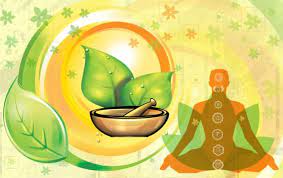
At the heart of this medical migration is Panchakarma, a comprehensive Sanskrit term meaning “five actions.” Far from the superficial massages often found in luxury spas, clinical Panchakarma is a rigorous, physician-guided regimen designed to cleanse the body of metabolic waste.
“Panchakarma is a comprehensive bio-detoxification regimen,” explains Dr. Praveen B.S., Head of the Department of Panchakarma at AIIA Goa. “It comprises five core treatments targeting cellular cleansing, correction of metabolism, and immunity enhancement. While it serves a preventive role by calming the mind and improving sensory clarity, its clinical applications are vast.”
According to Dr. Praveen, the therapy is increasingly utilized to manage complex conditions, including:
-
Neurological Disorders: Parkinson’s disease and post-stroke rehabilitation.
-
Metabolic & Endocrine Issues: Diabetes and hormonal imbalances.
-
Musculoskeletal Conditions: Rheumatoid arthritis and chronic back pain.
-
Pediatric Care: Supportive treatments for cerebral palsy and autism.
From Wheelchairs to Walking: Patient Success Stories
The human impact of these statistics is best seen in the hospital’s wards. Subhash Kevrekar, 58, arrived at the institute on January 2nd, paralyzed on his right side following a stroke in December. While maintaining his routine conventional medications, Kevrekar underwent a 12-day intensive Panchakarma protocol.
“I came to the hospital in a wheelchair and left the hospital walking,” Kevrekar stated upon his discharge, a testament to the potential of integrative care where traditional therapies complement acute allopathic stabilization.
International patients share similar sentiments. Natalia, a 63-year-old from Russia, has integrated Ayurveda into her travels for three years to manage chronic neck and joint pain, as well as diminished vision due to retinal atrophy. “I feel a significant improvement in my condition after undergoing Panchakarma at the AIIA,” she noted, highlighting a growing trend of “medical value travel” where patients seek long-term relief rather than temporary suppression of symptoms.
Bridging the Gap: Evidence-Based Tradition
Despite its ancient roots, the AIIA is steering Ayurveda toward modern medical acceptance through “standardized protocols and rigorous quality control,” according to Dr. P.K. Prajapati, Director of AIIA.
The facility operates with 150 functional beds and manages over 900 outpatient visits daily. By utilizing modern diagnostics to monitor patient progress, the institute aims to provide the empirical evidence that Western medicine often demands.
Independent Perspective:
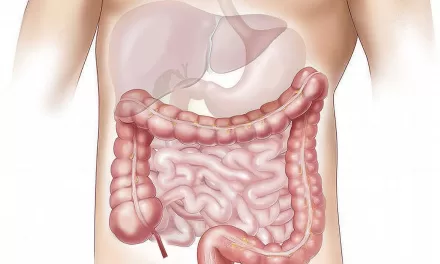
While the results at AIIA are promising, many Western medical experts urge a balanced view. Dr. Aruna Viswanathan, an integrative medicine specialist (not affiliated with AIIA), notes: “The detoxification processes in Panchakarma, such as Basti (medicated enemas) or Vamana (therapeutic emesis), can significantly impact gut microbiota and metabolic markers. However, it is crucial that these are performed under strict medical supervision, as they can cause electrolyte imbalances if not managed correctly.”
Global Implications and the “Skill India” Push
The surge in demand has highlighted a global shortage of trained professionals. To address this, AIIA Goa has launched a Panchakarma Technician’s course under the Skill India initiative. This program aims to standardize the “human element” of the therapy, ensuring that as the practice spreads to London, Paris, or New York, the quality of care remains consistent with classical texts.
For the health-conscious consumer, the takeaway is clear: Ayurveda is shifting from the “alternative” margins to the mainstream of integrative health. However, experts remind patients that Panchakarma is not a “quick fix.” It requires dietary discipline and lifestyle shifts to sustain the results achieved during the intensive treatment phases.
A New Era of Healthcare
As Goa evolves into a “Wellness Capital,” the success of the AIIA suggests that the future of medicine may not be a choice between East and West, but a synergy of both. For patients like Natalia and Kevrekar, the proof isn’t just in the ancient texts—it’s in the renewed quality of their daily lives.
Medical Disclaimer: This article is for informational purposes only and should not be considered medical advice. Always consult with qualified healthcare professionals before making any health-related decisions or changes to your treatment plan. The information presented here is based on current research and expert opinions, which may evolve as new evidence emerges.
References & Sources
- https://theprint.in/india/panchakarma-therapy-in-focus-as-aiia-goa-draws-foreigners-seeking-traditional-healing/2836196/