 0
0
 0
0
UNITED STATES – April 21, 2025
The rapid spread and mutation of the H5N1 avian influenza virus through U.S. cattle herds are raising serious concerns among scientists and veterinarians about its potential to evolve into a human pandemic. What began as a devastating outbreak in poultry has now made an unprecedented jump to mammals, including dairy cows and humans, prompting urgent calls for more robust monitoring and preventative action.
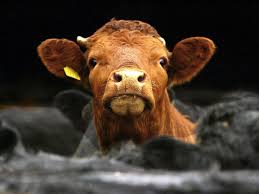
Since early 2024, when H5N1 was first detected in U.S. cattle exhibiting symptoms like fever, lethargy, and decreased milk production, the virus has infected over 1,000 dairy herds nationwide. The jump from birds to cows marked a significant escalation, following the virus’s decimation of over 160 million poultry birds since 2022, which severely impacted egg prices.
“This is a very serious threat to humanity,” warned Dr. Kamran Khan, an infectious disease expert whose company, BlueDot, was among the first to identify the novel coronavirus that caused the COVID-19 pandemic. Khan emphasized that while H5N1 does not currently spread efficiently between people, every new infection in mammals increases the probability of mutations that could change that. “We are really at risk of this virus evolving into one that has pandemic potential… it may be here far sooner than any of us would like.”
The virus’s adaptability is a key concern. Virologist Dr. Angela Rasmussen expressed alarm at H5N1’s ability to infect a growing list of mammals, including foxes, cats, pigs, goats, rats, and raccoons. “The fact that this virus can infect so many different types of mammals is a huge concern in terms of its ability to infect people,” Rasmussen stated, noting each spillover event provides another opportunity for the virus to adapt.
Human cases, while relatively few, add to the unease. Seventy Americans have contracted the virus, primarily farmworkers exposed during milking, with most experiencing mild symptoms. However, one death was reported in Louisiana in January involving an individual with underlying health conditions. More worryingly, six people in North America have required hospitalization since March 2024, and five of them had no known exposure to sick animals. A new strain found in cattle, D1.1, has also been linked to potentially more severe disease in some individuals.
Experts like Colorado veterinarian Dr. Kay Russo, who was involved in the initial identification of H5N1 in cattle, have criticized the governmental response. She noted delays in implementing mandatory pre-transport testing for cows and launching a raw milk testing program. “At present, we’re given a stick, and they put a blindfold on us, and we’re sent into a gunfight and we’re losing,” Russo told 60 Minutes, highlighting insufficient testing of both animals and humans. She fears the U.S. is running out of time, calling the situation a “numbers game” where unchecked spread increases risk.
Efforts to control the virus face hurdles. While pasteurization kills H5N1 in milk, raw milk can contain high viral loads. A USDA raw milk testing program, now adopted in some form by 45 states, offers a “glimmer of hope” and has reportedly slowed the spread in some areas, according to Dr. Keith Poulsen of the Wisconsin Veterinary Diagnostic Lab. However, CDC efforts to increase human testing are complicated by the reluctance of some farmworkers, many undocumented, to participate.
Vaccines are seen by many scientists as a critical defense. While human H5N1 vaccines exist, one is not FDA-licensed, and funding for a new Moderna vaccine was reportedly paused by the Trump administration. Poultry vaccines are available but largely unused due to international trade restrictions on vaccinated birds. Furthermore, recent layoffs of hundreds of federal scientists and health experts under the Trump administration have raised concerns about the capacity to respond effectively, though some may be rehired. The CDC stated it continues to respond to H5N1 but declined further comment to CBS News’ 60 Minutes.
Dr. Russo voiced frustration that distrust in science is hampering efforts. “As a mother, as a veterinarian, as a scientist, I’m just asking you: trust us,” she pleaded. “I will do everything in my power… to keep this from getting to that point.”
Disclaimer: This news article is based on information provided in the source text, dated April 20, 2025 / CBS News. It synthesizes the details and perspectives presented in that material. Information regarding virus behavior, case numbers, and government responses reflects the situation as reported in the source.