 0
0
 0
0
A growing body of evidence highlights a concerning trend in global health: the simultaneous rise of cardiovascular and mental health disorders, often referred to as a “silent epidemic.” Experts warn that the intersection of these two major health challenges is frequently overlooked, with significant consequences for patients and healthcare systems alike.
The Overlapping Crisis
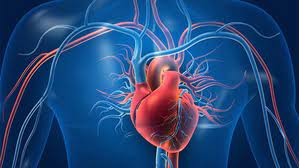
Cardiovascular diseases remain the leading cause of death worldwide, while mental health conditions such as depression and anxiety are reaching unprecedented levels. Recent research and clinical observations underscore that these conditions are not isolated; rather, they often coexist and exacerbate one another. Patients with heart disease are at higher risk for developing depression, and those with mental health disorders face increased chances of adverse cardiac events.
Challenges in Detection and Management
One of the critical issues fueling this epidemic is underdiagnosis. Symptoms of depression or anxiety can be masked by physical complaints, leading to missed opportunities for early intervention. Likewise, the stigma surrounding mental health can prevent patients from seeking help, particularly when they are already managing chronic physical illnesses.
Healthcare providers are increasingly advocating for integrated care models that address both physical and mental health needs. Such approaches may include routine mental health screenings in cardiology clinics and collaborative care teams that bring together cardiologists, psychiatrists, and primary care providers.
The Path Forward
Medical experts emphasize the importance of holistic patient care, urging clinicians to consider both the “head and heart” in their assessments. Early identification and treatment of mental health issues in cardiac patients can improve quality of life and even reduce mortality rates. Conversely, managing cardiovascular risk in patients with mental health disorders can prevent serious complications down the line.
Public health initiatives are also focusing on education and reducing stigma, encouraging individuals to discuss both physical and mental health concerns with their healthcare providers.
“Addressing the intersection of cardiovascular and mental health is not just a clinical imperative—it’s a public health priority,” noted one leading clinician.
Disclaimer
This article is based on information available as of June 2025 and is intended for general informational purposes only. It does not constitute medical advice. For diagnosis or treatment of any health condition, please consult a qualified healthcare professional.