0
0
 0
0
December 16, 2025
CHANDIGARH — The healthcare crisis gripping Haryana has de-escalated after the Haryana Civil Medical Services Association (HCMSA) announced the termination of its four-day indefinite strike on Monday. More than 3,000 government doctors returned to duty following written assurances from the state government to address critical demands regarding career progression and recruitment policies. The breakthrough came after high-level talks between Health Minister Arti Singh Rao and HCMSA leadership, averting a prolonged collapse of public health services in the state.
The Breakthrough Agreement
The standoff, which had paralyzed outpatient departments (OPDs) and elective surgeries across civil hospitals since last week, centered on two contentious issues: the direct recruitment of Senior Medical Officers (SMOs) and the implementation of a revised Assured Career Progression (ACP) scheme.
In a significant concession, the state government agreed to temporarily halt the direct recruitment of SMOs—a policy doctors argued blocked their internal promotion avenues. “The government has assured us in writing that direct recruitment is on hold. They will now examine the service rules of other states before making a final decision,” stated Dr. Rajesh Khyalia, President of the HCMSA.
Regarding the financial demands, the resolution introduces a novel compromise. Instead of the traditional tenure-based ACP salary hikes, doctors agreed to opt for performance-linked incentives under the Ayushman Bharat scheme. A specialized committee, which will include a representative from the doctors’ association, has been constituted to frame the modalities of this incentive structure within 30 days.
Impact on Public Health and Services
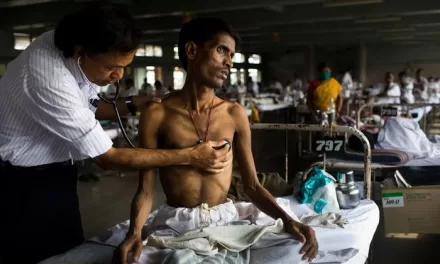
The four-day agitation had severely strained Haryana’s healthcare infrastructure. While emergency services were largely maintained, thousands of patients faced delays in routine check-ups, diagnostic tests, and scheduled surgeries.
“The past week was a nightmare for patients relying on civil hospitals,” said Dr. Ramesh Kumar, a public health expert not involved in the strike. “While the doctors’ demands for career security are valid, the disruption highlights the fragility of our public health system. The resolution is a relief, but the backlog of surgeries and appointments will take days to clear.”
The government had initially taken a hardline stance, invoking the Essential Services Maintenance Act (ESMA) and threatening a “No Work, No Pay” policy. However, as part of the truce, Health Minister Arti Singh Rao confirmed that the strike period would be treated as leave, and no punitive salary deductions would be enforced.
Context: The Core of the Conflict
To understand the strike, one must look at the structural grievances of Haryana’s medical cadre.
-
The “Lateral Entry” Dispute: The government’s move to directly recruit specialists as SMOs was seen by the HCMSA as a glass ceiling for serving Medical Officers (MOs). “In-service doctors often retire with just one promotion after 20 years of service,” explained Dr. Anil Yadav, General Secretary of the HCMSA. “Direct recruitment denies them the few leadership positions available.”
-
Financial Stagnation: Doctors demanded a dynamic ACP structure comparable to their central government counterparts to combat stagnation. The shift to an Ayushman-linked incentive is a pivot from tenure-based pay to volume/performance-based remuneration.
Implications for the Future
This agreement marks a pivotal shift in how state health departments may handle physician compensation. By tying financial benefits to the Ayushman Bharat scheme—India’s flagship public health insurance program—the government is attempting to align physician incentives with patient coverage targets.
However, challenges remain. “The devil will be in the details of the committee report,” warns Dr. Kumar. “If the Ayushman incentives are not substantial or consistent, dissatisfaction could brew again. Furthermore, the shortage of specialists remains a chronic issue that halting recruitment alone won’t solve; the state must balance internal promotions with the urgent need to fill gaps.”
For now, the corridors of Haryana’s civil hospitals are returning to normalcy, but the long-term health of the state’s medical workforce policy remains under observation.
Medical Disclaimer
Medical Disclaimer: This article is for informational purposes only and should not be considered medical advice. Always consult with qualified healthcare professionals before making any health-related decisions or changes to your treatment plan. The information presented here is based on current research and expert opinions, which may evolve as new evidence emerges.
References
-
Saha, A. (2025, December 15). Haryana Govt Doctors call off strike. Medical Dialogues. https://medicaldialogues.in