 0
0
 0
0
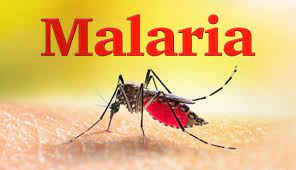
In a major breakthrough against malaria, scientists at Harvard University have developed two drugs capable of eradicating malaria parasites within mosquitoes, potentially revolutionizing efforts to curb the spread of this deadly disease. Malaria, which claims nearly 600,000 lives annually—most of them children—is transmitted by female mosquitoes during blood feeding.
A New Approach: Targeting Parasites in Mosquitoes
Traditionally, malaria control has focused on killing mosquitoes using insecticides. However, widespread insecticide resistance has reduced the effectiveness of these methods, prompting the need for innovative solutions. The Harvard team took a different approach: instead of targeting the mosquitoes, they targeted the malaria parasites (Plasmodium falciparum) inside them.
By analyzing the parasite’s DNA, researchers screened a vast library of compounds and identified two drugs that killed 100% of malaria parasites within mosquitoes. These drugs were tested by feeding infected blood to female mosquitoes and applying the compounds to materials similar to bed nets. The drugs remained effective on these surfaces for up to a year, offering a long-lasting solution.
How the Drugs Work
When mosquitoes come into contact with nets treated with these new drugs, the parasites inside the insects are killed—even if the mosquito survives the encounter. This breaks the cycle of malaria transmission, as the parasite cannot be passed on to humans.
Dr. Alexandra Probst, a lead researcher, emphasized the significance of this approach:
“We haven’t really tried to directly kill parasites in the mosquito before this, because we were just killing the mosquito. That approach is no longer cutting it.”
Potential Impact and Next Steps
The introduction of these drug-treated nets could be a game-changer, especially as the malaria parasite is less likely to develop resistance to this method compared to traditional insecticides. The drugs are inexpensive to produce and can be integrated into existing bed net infrastructure.
Laboratory results are promising, and field trials are planned in Ethiopia to test real-world effectiveness. If successful, this strategy could lead to a new generation of bed nets that combine both anti-malarial drugs and insecticides, providing a dual-layered defense against malaria.
Disclaimer
This article summarizes recent scientific findings. The new malaria control strategy is still in the research and testing phase. Further studies, including field trials, are required to confirm its effectiveness and safety in real-world settings. The information provided should not be interpreted as medical advice or a substitute for professional healthcare recommendations.