 0
0
 0
0
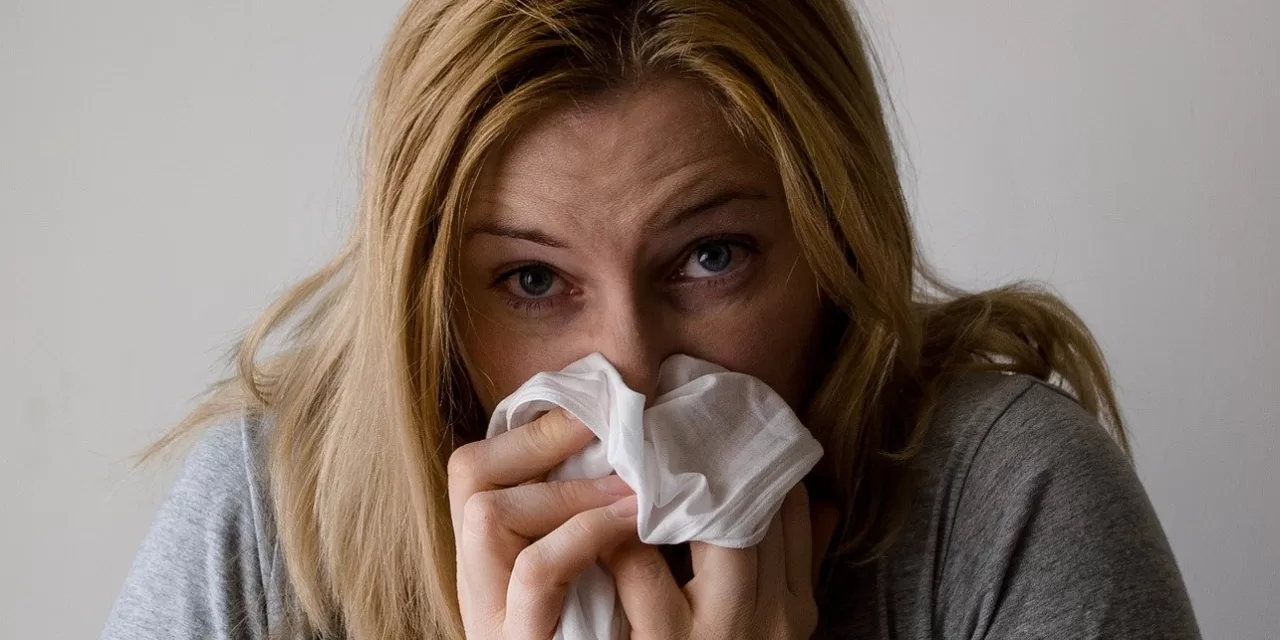
As of September 2025, Delhi and its surrounding National Capital Region (NCR) are experiencing a significant wave of H3N2 influenza, with 69% of households reporting at least one member showing classic flu symptoms such as high fever, persistent cough, sore throat, and respiratory discomfort, according to a survey spanning over 11,000 families. This outbreak, more severe than previous seasonal surges, is prompting urgent calls from public health experts for heightened vigilance, prevention, and timely intervention to minimize complications and curb community spread.
Understanding the Outbreak: Who, What, When, Where, Why
The current surge began as the monsoon receded, providing conditions conducive to virus transmission. High population density, increased waterlogging, and fluctuating temperatures have contributed to a sharp rise in respiratory illnesses throughout Delhi, Gurugram, Noida, Faridabad, and Ghaziabad. While the flu is a seasonal reality, the H3N2 subtype of Influenza A virus is driving an unusual spike in both frequency and severity of cases, particularly affecting children, the elderly, individuals with chronic conditions, and those with weaker immune systems.
Key Symptoms and Developments
H3N2 influenza distinguishes itself from the common cold and COVID-19 with its sudden onset of high fever (often above 38–39°C), chills, persistent cough, severe fatigue, and muscle aches. Many patients in the current outbreak report fevers lasting over a week, with cough and weakness lingering beyond typical recovery periods. Hospitals and clinics are reporting increased admissions for complications such as pneumonia, respiratory distress, and bronchitis, especially among vulnerable populations.
Notable symptoms to watch for:
-
Prolonged high fever
-
Persistent or worsening cough and sore throat
-
Severe fatigue and weakness
-
Shortness of breath or chest pain
-
Headache, nasal congestion, sometimes gastrointestinal upset in children
-
Warning signs for urgent care: difficulty breathing, bluish lips or face, confusion, inability to eat or drink.
The Science and Background: What Is H3N2?
H3N2 belongs to the Influenza A family and is one of the viral strains included in standard annual flu vaccines. The “H” and “N” in its name stand for haemagglutinin and neuraminidase, two proteins that allow the virus to infect and spread. The flu virus mutates continuously, periodically producing more aggressive strains with a greater impact, particularly on those whose immune defenses are already compromised.
Expert Commentary
Dr. Sonia Rawat, Director of Preventive Health and Wellness at Sir Gangaram Hospital, notes, “This virus spreads rapidly due to post-monsoon waterlogging, high humidity, and temperature fluctuations. It can pose a significant risk for young children, the elderly, and people with respiratory diseases. Prevention and early treatment are essential to avoid complications.”
Dr. Rommel Tickoo, Director of Internal Medicine at Max Super Speciality Hospital, adds, “We are seeing a greater proportion of patients with long-lasting symptoms. Strict home isolation, good hydration, and early medical consultation for severe symptoms are key.”Implications for Public Health
The high incidence of H3N2 this season threatens not only individual health but also public systems, placing extra pressure on hospitals and increasing the risk of secondary infections and community transmission. In densely populated cities like Delhi, rapid transmission can overwhelm healthcare resources and leave high-risk individuals susceptible to serious complications.
Prevention and Practical Steps for Households
Public health authorities recommend the following steps to reduce spread and protect vulnerable groups:
-
Routine handwashing with soap and water for at least 20 seconds
-
Wearing masks in crowded or poorly ventilated spacesndtv
-
Covering the mouth and nose when sneezing or coughing, and proper disposal of tissues
-
Isolating the sick at home, using separate utensils and linens
-
Keeping living areas well-ventilated
-
Maintaining hydration, balanced nutrition, and adequate rest
-
Considering annual flu vaccines, particularly for at-risk populations including the elderly, children, pregnant women, and those with heart, lung, or metabolic conditions
-
Seeking medical advice early if symptoms persist beyond three days or if severe signs appear
Treatment and When to Seek Medical Help
Most cases can be managed with basic care—rest, fluids, paracetamol for fever, and cough medicines as prescribed. Antiviral medications such as oseltamivir are effective if started early in severe cases or for high-risk groups. Hospitalization may be required for those with breathing difficulties, severe dehydration, or other complications.
When to contact a doctor:
-
High fever persists over 3–4 days
-
Breathing difficulties, chest pain, or confusion develop
-
Symptoms worsen or fail to improve despite home care
-
The affected individual is at higher risk for complications
Balancing Perspectives: Limitations and Uncertainties
While vaccination and preventive hygiene remain the cornerstone of flu management, it’s important to note that no method guarantees absolute protection, given the potential for viral mutation and breakthrough infections. Annual flu vaccines may reduce severity but are not 100% effective against all circulating strains. Self-medicating, especially with antibiotics, is strongly discouraged unless prescribed by a medical professional, as misuse can cause drug resistance and mask underlying complications. Individuals must also stay vigilant for emerging public health advisories as the outbreak evolves.
What This Means for Daily Health Decisions
Staying informed, proactively managing symptoms, and prioritizing prevention are essential for navigating the ongoing flu season. Recognizing high-risk situations, improving household hygiene, ensuring timely vaccination, and seeking prompt medical care for severe symptoms could help reduce the burden on families and health systems alike. Importantly, responsible health reporting and avoiding sensationalism are vital to keeping communities safe and aware.
Medical Disclaimer:
“This article is for informational purposes only and should not be considered medical advice. Always consult with qualified healthcare professionals before making any health-related decisions or changes to your treatment plan. The information presented here is based on current research and expert opinions, which may evolve as new evidence emerges.”
References