 0
0
 0
0
In a landmark stride towards India’s ambitious goal to eradicate tuberculosis (TB) by 2025, Gujarat has emerged as the nation’s best-performing state under the ‘Pradhan Mantri TB Mukt Bharat Abhiyan’ (PMTBMBA), the national program driving TB elimination efforts across the country. In 2024, Gujarat identified and registered 95% of its targeted TB patients, an achievement lauded by public health authorities and global observers alike. This recognition comes amid India’s broader challenge as the country bearing the world’s highest TB burden.
Achieving Milestones in TB Patient Care
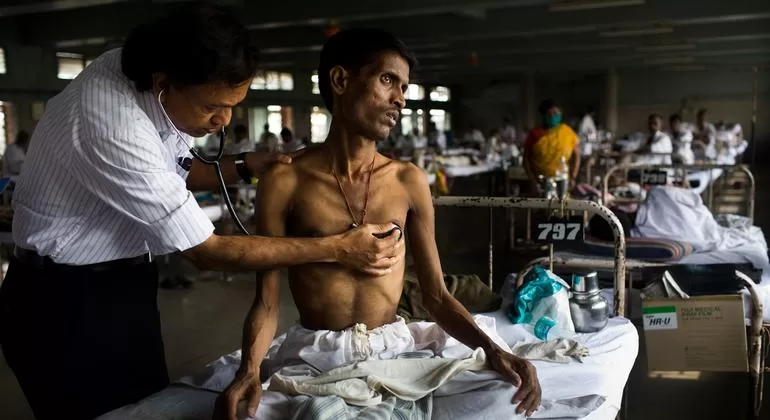
In 2024, Gujarat identified 137,929 TB patients—nearly meeting its annual target—and completed treatment for 124,581 individuals. The success was underpinned by proactive case finding, early diagnosis, and free treatment delivered at government hospitals—an essential step in breaking the transmission chain and preventing catastrophic health expenses for affected families.
According to Dr. Ghanshyam Borisagar, Head of the TB and Chest Department at Ahmedabad Civil Hospital, accessible and timely TB treatment “was the reason for full recovery in patients who would have otherwise slipped through the cracks due to lack of awareness or financial hardship.” Dr. Chirag Dhuvad, Ahmedabad’s District TB Officer, highlighted that India’s Nikshay Poshan Yojana—a government initiative—has been pivotal, providing a direct transfer of ₹1,000 each month to assist patients with nutrition and medication expenses through the duration of treatment.
Community Participation and the Nikshay Mitra Initiative
A major factor in Gujarat’s success has been robust community engagement. In 2024, 10,682 ‘Nikshay Mitras’ (volunteer supporters) were registered in Gujarat. These volunteers, drawn from civil society, corporate partners, and local institutions, played a vital role: with their support, 349,534 nutrition kits were distributed to TB patients across the state. This “people’s movement” aligns with the campaign’s foundational belief that TB elimination requires not just clinical care but broader social support, advocacy, and stigma reduction.
The Nikshay Mitra model is now being recognized as a scalable community engagement approach, extending nationwide as part of the Central government’s efforts to meet the Sustainable Development Goals ahead of the 2030 global deadline.
India’s National Progress and Gujarat’s Distinction
India has recorded a gradual but significant decline in both TB incidence and mortality since 2015, reflecting the impact of the National TB Elimination Programme (NTEP). Treatment coverage has reached 85% across the country, with a strong push for decentralized care through 170,000 Ayushman Arogya Mandirs (primary health centers). During the latest 100-day PMTBMBA campaign, 129.7 million vulnerable individuals were screened nationwide, leading to 719,000 new TB case detections—underscoring the potency of targeted screening and mass mobilization.
However, Gujarat’s performance stands out for its exceptional reach, treatment success, and community participation rates, placing the state at the forefront of the nation’s efforts.
Expert Commentary: Lessons and Implications
Experts stress that active case finding, nutritional support, and community engagement are crucial for breaking the cycle of transmission and preventing treatment dropouts. “The strategy of direct benefit transfers ensures fewer patients interrupt treatment due to financial constraints,” says Dr. Shilpa Joshi, an independent public health specialist not involved in the Gujarat program. “But equally important is the social support and engagement from Nikshay Mitras, which not only improves recovery but tackles the stigma of TB head-on.”
While the Central TB Division’s recent report acknowledges steady national gains, experts urge continued vigilance, highlighting the risk of drug-resistant TB and the need for expanded diagnostic infrastructure—especially molecular (NAAT) and AI-enabled X-ray facilities—that have been catalysts of Gujarat’s progress.
Challenges and Limitations
Despite the commendable advances, India’s sheer disease burden remains daunting—an estimated 2.6 million TB cases were notified nationwide in 2024. Achieving full elimination will require maintaining high treatment adherence, addressing social determinants of health such as malnutrition and urban crowding, and countering under-reporting, especially from the large private health sector.
Additionally, while the Nikshay Poshan Yojana’s nutrition support reduces financial barriers, it may not fully compensate for the broader economic impact of TB on poor households. Experts emphasize that even well-designed programs may face implementation hurdles in diverse settings, from rural blocks to dense urban neighborhoods.
Practical Implications for Readers
TB is preventable and curable, but early detection and uninterrupted treatment are vital. Medical experts caution that symptoms like a persistent cough, chest congestion, fever, or sudden weight loss should prompt timely medical attention—not dismissal as a mere seasonal illness. Community members—rural and urban—are encouraged to support TB patients, challenge stigma, and participate in initiatives like Nikshay Mitra or similar local advocacy efforts.
Financial and nutritional support, as well as increased access to diagnostic services, have demonstrable benefits in improving TB outcomes. On a policy level, Gujarat’s story indicates that well-coordinated government intervention coupled with community involvement can make national elimination goals attainable.
Conclusion
Gujarat’s “best-performing” status in the PMTBMBA campaign signals what is possible when government leadership, expert public health planning, community participation, and direct patient support converge. While substantial hurdles remain, the state’s achievements offer a roadmap—and inspiration—for the rest of India and other high-burden regions.
Medical Disclaimer
Medical Disclaimer: This article is for informational purposes only and should not be considered medical advice. Always consult with qualified healthcare professionals before making any health-related decisions or changes to your treatment plan. The information presented here is based on current research and expert opinions, which may evolve as new evidence emerges.
References