 0
0
 0
0
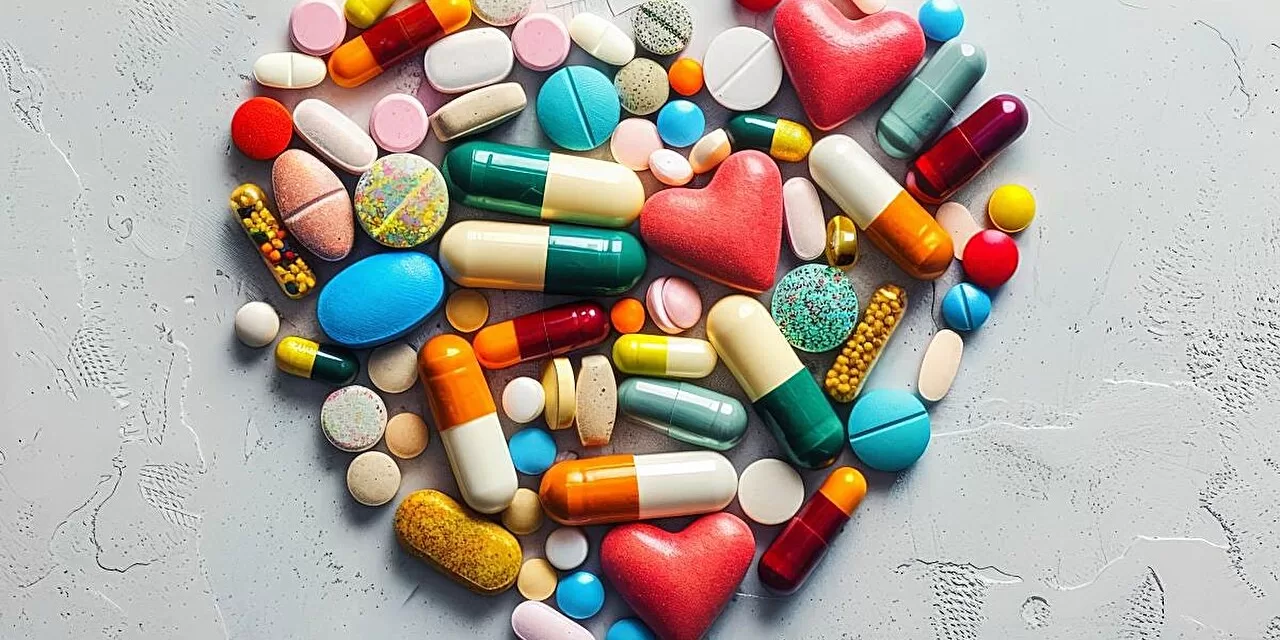
GANDHINAGAR — In a landmark move aimed at fortifying the state’s public healthcare infrastructure, the Gujarat government has officially expanded its Essential Drug List (EDL) for the 2025–26 fiscal year. Announcing the update on March 5, State Health Minister Praful Pansheriya confirmed the addition of 150 new medications, bringing the total count of free essential supplies to 1,479.
The revision, orchestrated by the Gujarat Medical Services Corporation Limited (GMSCL), represents a strategic shift toward modernizing clinical care. By removing 57 obsolete or redundant items and introducing cutting-edge treatments, the state aims to bridge the gap between private-sector medical advancements and public-sector accessibility.
A Data-Driven Expansion
The transition from the 2024–25 list of 1,386 medicines to the current 1,479 is not merely a numerical increase; it is a targeted response to the evolving disease burden in Western India. The GMSCL review process focused on high-demand categories, specifically strengthening the arsenal against infectious diseases, respiratory ailments, and chronic conditions.
Key Categorical Increases:
-
Anti-infectives: Increased from 202 to 216.
-
Respiratory Medicine: Expanded from 29 to 40.
-
Ophthalmic (Eye) Care: Grown from 51 to 58.
-
Medical Devices: A significant jump from 287 to 349 items.
“The best possible treatment and quality medicines for every patient in the state is our priority,” Minister Pansheriya stated during the announcement. He emphasized that under the leadership of Chief Minister Bhupendra Patel, the state views the provision of these drugs as a “moral responsibility” to reach the most marginalized citizens.
Specialized Care for Chronic and Critical Illness
Perhaps the most significant aspect of the 2025–26 EDL is its focus on non-communicable diseases (NCDs) and specialized tertiary care. For many families, the cost of long-term medication for heart disease or cancer is a primary driver of poverty.
The updated list now guarantees free access to:
-
116 Cardiovascular medicines for heart health.
-
56 Oncology drugs for cancer treatment.
-
75 Neurological medications for brain and nerve disorders.
-
43 Mental health treatments, reflecting an increasing awareness of psychiatric well-on-being.
By integrating these into the free supply chain, the government is effectively reducing the “out-of-pocket” expenditure that often deters patients from completing vital treatment cycles.
Tiered Healthcare Delivery
The Gujarat model utilizes a “tiered” distribution system to ensure that the right medicines are available at the right level of care. This prevents the wastage of specialized drugs at rural clinics while ensuring district hospitals are fully equipped for complex surgeries.
| Healthcare Level | Number of Essential Medicines | Focus Area |
| Primary (PHCs) | 378 | Basic infections, maternal care, and first aid. |
| Secondary (District) | 628 | Chronic disease management and minor surgeries. |
| Tertiary (Medical Colleges) | 1,475 | Advanced oncology, neurology, and specialized surgery. |
Expert Perspectives: Impact and Implementation
Independent public health experts have largely welcomed the move, though they note that procurement is only half the battle.
“Expanding the EDL is a gold-standard approach to Universal Health Coverage,” says Dr. Arvinth Kumar, a public health policy consultant (not involved in the GMSCL review). “By adding 150 new drugs—particularly in the respiratory and anti-infective sectors—Gujarat is reacting to the post-pandemic reality where drug resistance and chronic lung issues are on the rise.”
However, Dr. Kumar adds a note of caution regarding the removal of the 57 medicines. “Pruning a list is healthy to avoid ‘polypharmacy’ and waste, but the state must ensure that the 57 removed items truly have superior, safer alternatives already available on the new list to avoid any disruption in patient care.”
Public Health Implications
The inclusion of 349 medical devices and diagnostic supplies marks a shift toward “comprehensive care.” In modern medicine, a drug is only as effective as the diagnostic tool used to prescribe it. By providing free diagnostic supplies alongside medicines, the state is moving toward a more holistic “test-and-treat” model.
For the average citizen, this means that a visit to a government hospital in Ahmedabad or a rural clinic in Kutch should ideally result in zero cost for both the diagnosis (like blood glucose strips) and the treatment (like insulin or metformin).
Potential Challenges
While the expansion is a policy win, logistical experts point to the “last-mile” challenge. Maintaining a cold chain for 1,479 distinct items—especially specialized cancer drugs—requires robust refrigeration and inventory management software to prevent stock-outs or expiration.
Conclusion: A Model for Other States?
Gujarat’s annual revision of its drug formulary sets a benchmark for other Indian states. By treating the EDL as a “living document” that evolves with medical science, the state ensures its public health system does not become a relic of the past. As these 150 new medicines hit the shelves of government pharmacies this year, the focus will now shift to monitoring patient outcomes and ensuring the supply chain remains as robust as the policy itself.
Medical Disclaimer: This article is for informational purposes only and should not be considered medical advice. Always consult with qualified healthcare professionals before making any health-related decisions or changes to your treatment plan. The information presented here is based on current research and expert opinions, which may evolve as new evidence emerges.
Reference Section
Official Sources
-
Gujarat Medical Services Corporation Limited (GMSCL): Annual Procurement Report and Essential Drug List Guidelines 2025-26.