 0
0
 0
0
January 29, 2026
Gujarat has crossed a significant public health milestone in its long-running battle against leprosy. On the eve of Anti-Leprosy Day, state health officials announced that leprosy prevalence has fallen below the World Health Organization’s (WHO) elimination threshold—defined as fewer than one case per 10,000 population—in 25 districts across the state. The achievement reflects sustained investments in early detection, free treatment, and community-based rehabilitation over the past several years.
According to data released by the Gujarat Health Department up to December 2025, the state has diagnosed more than 11,640 people with leprosy early over the last three years and successfully linked them to treatment. During this period, Gujarat spent over ₹1,219 lakh on leprosy elimination programmes, reinforcing surveillance systems and expanding outreach services, particularly in high-risk and underserved communities.
A steady decline in new cases
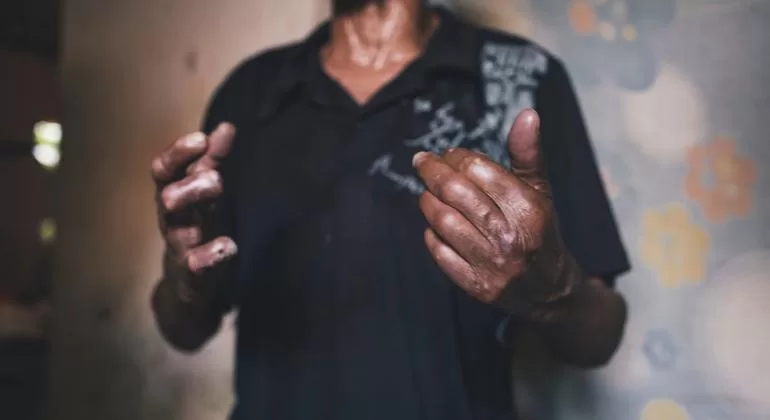
Leprosy, also known as Hansen’s disease, is a chronic infectious condition caused by Mycobacterium leprae. It primarily affects the skin and peripheral nerves and, if left untreated, can lead to disability and deformities. While India officially achieved national-level elimination in 2005, pockets of higher prevalence persist, making state-level progress crucial.
Gujarat’s latest figures suggest a consistent downward trend in new case detection. In 2023–24, the state identified 4,323 new cases, including 238 among children—a key indicator of ongoing transmission. This number declined to 4,033 cases (171 children) in 2024–25 and further to 3,288 cases up to December in 2025–26, with child cases falling to 126.
Health officials attribute this progress not to underreporting, but to strengthened surveillance and early diagnosis. “The reduction in numbers is occurring alongside more active case detection,” a senior state health official said. “That combination suggests real progress in interrupting transmission.”
Between 2023 and 2025, Gujarat conducted Special Leprosy Case Detection Campaigns (LCDC) in mission mode, identifying more than 3,900 previously hidden cases. Early diagnosis is critical, experts note, because timely treatment prevents nerve damage and lifelong disability.
Elimination versus eradication: why the distinction matters
Public health experts caution that “elimination” does not mean leprosy has disappeared. WHO defines elimination as reducing prevalence to a very low level, not zero cases. “Leprosy bacteria have a long incubation period, sometimes up to five years,” explained Dr. Ramesh Verma, a public health specialist and former advisor to the National Leprosy Eradication Programme, who was not involved in Gujarat’s programme. “Even after elimination targets are met, continued surveillance is essential to prevent resurgence.”
India still accounts for more than half of the world’s new leprosy cases annually, according to WHO data, underscoring the importance of state-level success stories like Gujarat’s for national and global goals.
Fighting stigma alongside disease
This year’s Anti-Leprosy Day, observed on January 30, aligns with the national theme “Ending Discrimination, Ensuring Dignity.” In keeping with this focus, Gujarat will launch the Sparsh Leprosy Awareness Campaign – Fortnight from January 30 to February 13, 2026. The campaign aims to dispel persistent myths—particularly the belief that leprosy spreads through touch or casual social contact.
“Leprosy does not spread by shaking hands, sharing meals, or living together,” said Dr. Meena Shah, dermatologist and leprosy clinician at a government medical college in Ahmedabad. “Once treatment begins, patients quickly become non-infectious. The real harm today comes from stigma, not the disease itself.”
Stigma can delay diagnosis, as people may hide early symptoms such as light-coloured or reddish skin patches with reduced sensation or thickened peripheral nerves. Delayed care increases the risk of disability and social exclusion.
Rehabilitation and dignity-focused care
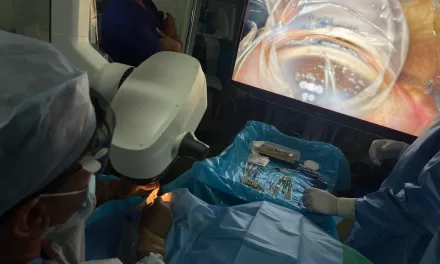
Beyond detection and drug therapy, Gujarat has expanded rehabilitation services to restore function and dignity for people affected by leprosy. Over the past three years, 81 reconstructive surgeries have been performed to correct deformities caused by nerve damage. The state has also distributed more than 26,120 micro-cellular rubber (MCR) shoes free of cost to prevent foot injuries in people with loss of sensation, along with over 8,300 ulcer care kits for wound management.
Earlier this month, Chief Minister Bhupendra Patel visited the Sahyog Kushthyagya Trust, run by Padma Shri awardee Sureshbhai Soni, where he interacted with people affected by leprosy and reviewed ongoing rehabilitation efforts. Officials said the visit underscored the government’s commitment to social inclusion alongside medical care.
“Rehabilitation is not an optional add-on—it’s central to recovery,” noted Dr. Verma. “When people can walk comfortably, work, and participate in society, the cycle of stigma begins to break.”
What this means for the public
For readers, Gujarat’s progress carries several practical messages. First, leprosy remains curable with timely treatment using multi-drug therapy (MDT), which is provided free of cost at all government health facilities in India. Second, early symptoms—such as numb patches of skin—should prompt medical consultation, not fear or isolation. Third, community acceptance plays a vital role in elimination efforts; discrimination can undo medical gains by driving the disease underground.
However, experts emphasize that vigilance must continue. Migration, urbanization, and health system disruptions can affect case detection. “Success should not lead to complacency,” Dr. Shah said. “Continued funding, training of frontline health workers, and public awareness are essential to sustain these gains.”
A balanced view of the road ahead
While Gujarat’s achievement is notable, challenges remain. Child cases, though declining, indicate ongoing transmission. Some experts also point out that elimination at the district level can mask micro-hotspots within communities. Regular surveys and integration of leprosy services into general healthcare are therefore crucial.
Still, public health observers see Gujarat’s approach—combining surveillance, treatment, rehabilitation, and anti-stigma efforts—as a model for other states. As India works toward the broader goal of eliminating leprosy-related disability and discrimination, Gujarat’s experience highlights what sustained political commitment and community engagement can achieve.
Medical Disclaimer:
This article is for informational purposes only and should not be considered medical advice. Always consult with qualified healthcare professionals before making any health-related decisions or changes to your treatment plan. The information presented here is based on current research and expert opinions, which may evolve as new evidence emerges.
References
- https://tennews.in/gujarat-brings-leprosy-prevalence-below-elimination-threshold-in-25-districts/#:~:text=Gandhinagar%2C%20Jan%2029%20(IANS),districts%2C%20officials%20said%20on%20Thursday.