 0
0
 0
0
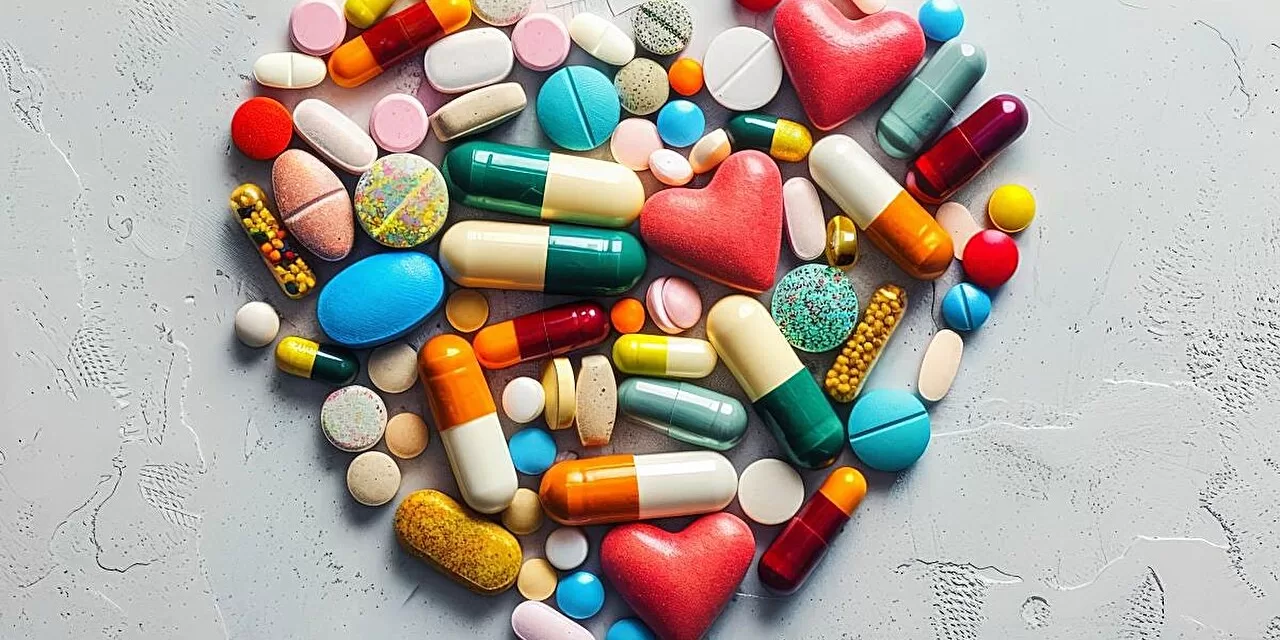
GANDHINAGAR — In a move set to reshape the landscape of public healthcare in Western India, the Gujarat state government has announced a massive expansion of its Essential Drugs List (EDL). Over the last 24 months, the number of free medicines and surgical items available at government-run facilities has doubled, growing from 717 to 1,479. This expansion, finalized on March 7, 2026, aims to alleviate the mounting out-of-pocket healthcare expenses for millions of residents, particularly those battling chronic and life-threatening conditions.
A Strategic Shift in Public Pharmacy
The revision of the EDL is not merely a numerical increase; it represents a strategic pivot toward comprehensive care. By adding 150 new drugs in the latest update alone, the state Health Department has broadened the therapeutic range available at primary health centers (PHCs), civil hospitals, and government medical college hospitals.
State BJP chief spokesperson Dr. Anil Patel emphasized that this initiative is designed to bridge the gap between rural and urban healthcare quality. “The increase reflects the state government’s effort to expand access to treatment for patients in both rural and urban areas,” Dr. Patel stated during the announcement. “The government led by Chief Minister Bhupendra Patel is working with the resolve to provide quality treatment at the doorstep to villagers, the poor, farmers, and the middle class.”
Key Pillars of the Expansion
The updated list targets several high-burden medical sectors that previously forced families into significant debt:
-
Chronic Diseases: Inclusion of advanced treatments for heart ailments, neurological disorders, and mental illnesses.
-
Oncology: Expanded access to chemotherapy and supportive cancer medications.
-
Acute Care: A wider array of anti-infective and respiratory drugs to combat seasonal surges and antibiotic resistance.
-
Medical Devices: The list now includes essential surgical items and diagnostic tools, ensuring that “free care” covers the entire procedure, not just the pill.
Expert Perspectives: Impact on Health Equity
Public health experts suggest that Gujarat’s model of annual formulary reviews could serve as a blueprint for other states. By updating the list every year, the government ensures that the medicine stock aligns with “evolving medical requirements” and current clinical guidelines.
“Expanding the EDL is one of the most effective tools for achieving Universal Health Coverage,” says Dr. Rajesh Kumar, a public health policy consultant not affiliated with the state government. “When you include medications for long-term illnesses like epilepsy or hypertension, you aren’t just treating a disease; you are preventing the ‘medical impoverishment’ of an entire family.”
However, experts also note that availability is only half the battle. “The challenge now shifts to supply chain management,” Dr. Kumar adds. “Doubling the list requires doubling the logistical capacity to ensure these drugs are actually on the shelves of remote PHCs and not just on a government spreadsheet.”
Statistical Context: The Cost of Care
According to data from the National Health Accounts, out-of-pocket expenditure (OOPE) remains a significant burden in India, with medicines often accounting for nearly 43% to 70% of that cost. By providing 1,479 items free of charge, Gujarat aims to slash these figures significantly.
| Year | Number of Free Medicines/Items | Change |
| 2024 | 717 | Baseline |
| 2026 | 1,479 | +106% |
The inclusion of high-cost items for cancer and heart disease is particularly noteworthy. In the private sector, a single month of specialized neurological or cardiac medication can cost a middle-class family between 15% and 30% of their monthly income.
Addressing the Challenges and Limitations
While the expansion is a landmark achievement, medical fraternity members urge a balanced view. Critics and healthcare advocates often point to three primary hurdles in such large-scale rollouts:
-
Quality Assurance: With a higher volume of procurement, the state must maintain rigorous batch-testing to ensure the efficacy of generic medicines.
-
Prescription Literacy: Doctors in government facilities must be encouraged to prescribe from the EDL rather than suggesting branded alternatives available only at private pharmacies.
-
Infrastructure Strain: Increased availability often leads to a surge in patient footfall. Hospitals must be equipped with enough pharmacists and storage facilities to handle the doubled inventory.
What This Means for Patients
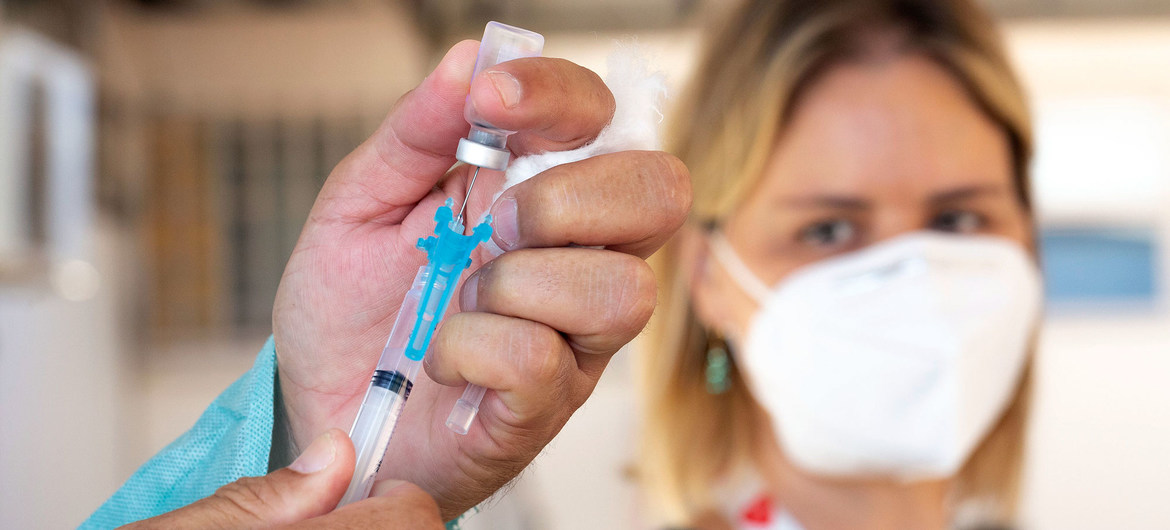
For the average resident of Gujarat, this policy change means that a visit to a Civil Hospital should now result in a complete kit of treatment—from the syringe used for an injection to the long-term maintenance pills for chronic conditions—at zero cost.
Patients are encouraged to:
-
Inquire specifically about the availability of EDL drugs when being treated at government centers.
-
Bring previous prescriptions to check if their current medications have been added to the free list.
-
Utilize the annual review process by providing feedback to hospital grievance cells if essential medications are frequently out of stock.
As the state moves forward with this initiative, the focus remains on “strengthening treatment facilities in public hospitals,” ensuring that the most modern medical advancements are accessible to the most vulnerable citizens.
References
- https://tennews.in/gujarat-free-medicines-in-govt-hospitals-doubled-in-two-years-after-essential-drugs-list-expansion/
Medical Disclaimer: This article is for informational purposes only and should not be considered medical advice. Always consult with qualified healthcare professionals before making any health-related decisions or changes to your treatment plan. The information presented here is based on current research and expert opinions, which may evolve as new evidence emerges.