 0
0
 0
0
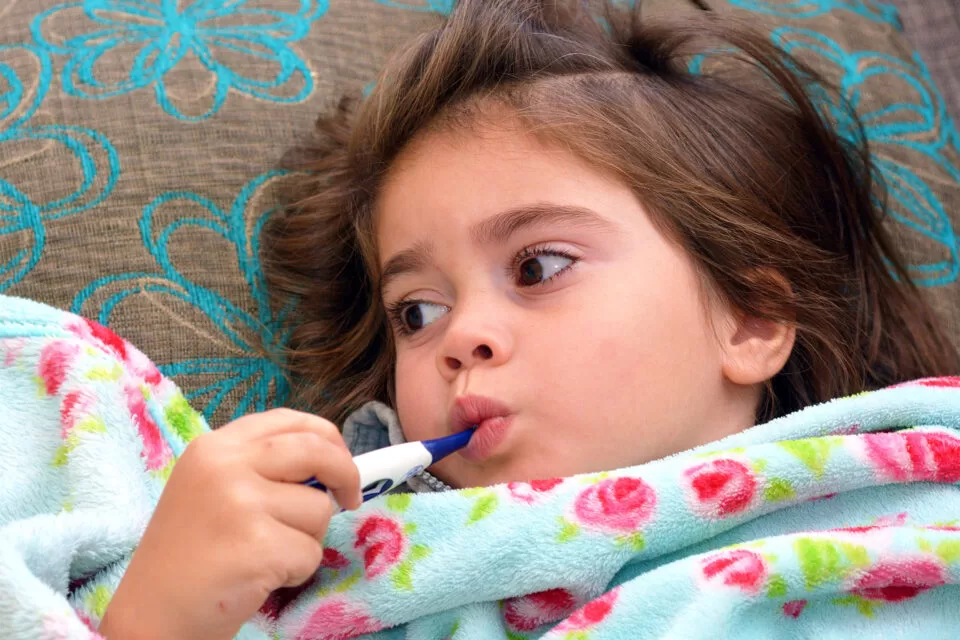
As the monsoon and winter seasons approach, hospitals across India are witnessing a significant rise in the number of infants exhibiting severe cough, breathing difficulties, and symptoms resembling upper respiratory tract infections or pneumonia. While many parents may initially assume these cases are related to a common cold, doctors warn that a more serious culprit—Respiratory Syncytial Virus (RSV)—is increasingly to blame.
RSV: Beyond the Common Cold
RSV infections typically begin with mild symptoms such as a runny nose, cough, and low-grade fever. However, for some infants, especially those under one year, these symptoms can worsen rapidly. Within days, a seemingly harmless cold can escalate into difficulty in breathing and, in many cases, require immediate hospital intervention.
Why Are Babies Under One Year So Vulnerable?
Several factors make infants, particularly those in their first year of life, highly susceptible:
-
Underdeveloped immune systems and lungs, making it harder for them to fend off infections.
-
Narrower airways, allowing for quicker and more severe blockages due to swelling or mucus.
-
Even full-term, previously healthy infants are at risk—not just those born preterm or already identified as “high-risk”.
Serious RSV infections can lead to long-term health problems, including recurrent wheezing, a greater chance of developing asthma, and frequent ear infections. These complications can impact hearing and speech development in later years.
Seasonal Peaks—But Threat Persists All Year
In India, RSV cases tend to peak during the monsoon and early winter. Yet, experts caution that the virus can circulate all year, so parental vigilance is important beyond just the traditional “season”.
Modern Prevention: A Single Shot of Hope
Breakthroughs in medicine now offer parents options to protect their babies from RSV:
-
Monoclonal antibodies: Palivizumab, though effective, is reserved for high-risk infants.
-
Nirsevimab: This new single-shot immunization, poised for wider availability in India, can be administered shortly after birth or before a newborn is discharged from the hospital. Even if missed at first, it can be given during a later check-up.
Early protection is crucial: RSV spreads quickly and can cause severe illness before symptoms are noticed. Parents should speak to their doctors right after their child is born for the latest preventive strategies.
The Takeaway
-
RSV remains a leading cause of lower respiratory infections in children under five.
-
It can affect any infant, regardless of their health at birth.
-
Early prevention is the most reliable way to protect babies and avoid the risks of serious complications.
Disclaimer: This article is for informational purposes only and does not substitute medical advice. Please consult your healthcare provider for personalized recommendations regarding RSV prevention and treatment.