 0
0
 0
0
May 21, 2025 — Scientists have sounded the alarm over a newly discovered bacterium, nicknamed the “Northern Lights” bacteria, which shows resistance to multiple antibiotics. The emergence of this pathogen could pose a significant threat to global public health, experts warn.
Discovery in the Arctic
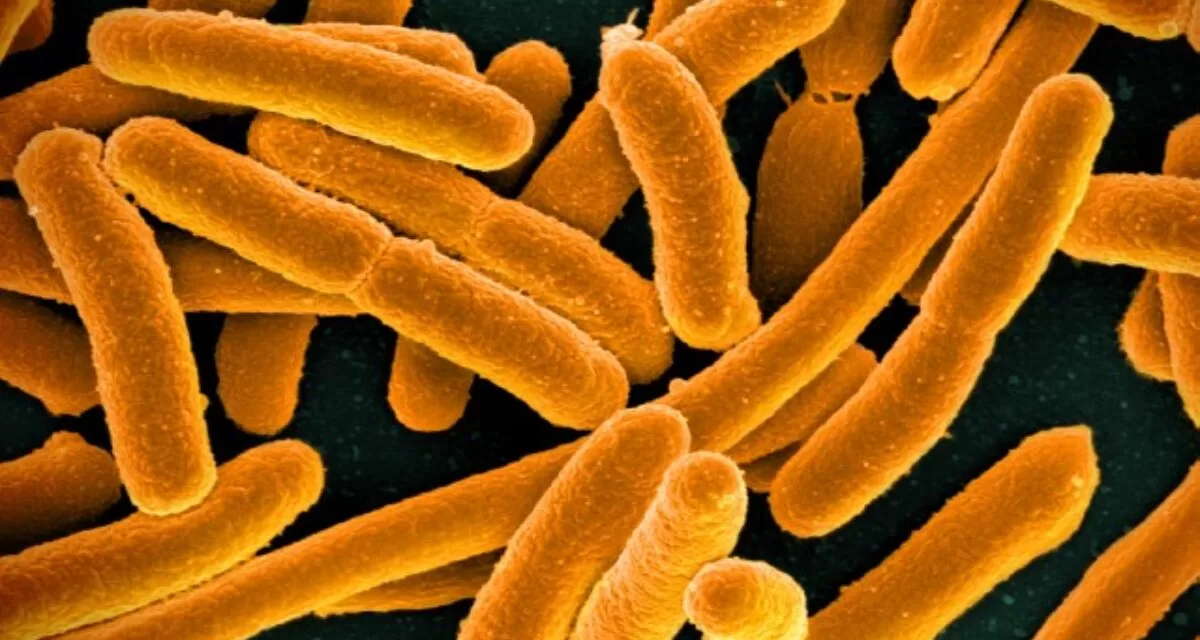
Researchers first identified the bacteria in soil samples collected from the Arctic region. The organism, formally named Pseudomonas borealis, was found to survive in extreme cold and low-nutrient environments. What has shocked scientists, however, is the bacterium’s robust resistance to a range of commonly used antibiotics.
Alarming Resistance Patterns
Laboratory tests revealed that Pseudomonas borealis is resistant to several major antibiotic classes, including beta-lactams, aminoglycosides, and fluoroquinolones. Dr. Linda Chen, a microbiologist involved in the study, stated, “The genetic analysis shows the presence of multiple resistance genes, some of which are rarely seen together in a single organism.”
A Growing Global Concern
Antibiotic resistance is already a major global health issue, with the World Health Organization warning that it could lead to 10 million deaths annually by 2050 if left unchecked. The discovery of a multi-resistant bacterium in a remote, previously unexposed environment raises concerns about the spread of resistance genes through natural ecosystems and, potentially, into human populations.
Calls for Vigilance and Research
Experts are urging increased surveillance of environmental bacteria and more responsible use of antibiotics in medicine and agriculture. “We need to understand how these resistance genes are spreading and take action to prevent their transfer to more dangerous pathogens,” Dr. Chen emphasized.
What’s Next?
Researchers are now investigating how Pseudomonas borealis acquired its resistance and whether it poses an immediate risk to humans. While there have been no reported infections yet, the scientific community is closely monitoring the situation.
Disclaimer:
This article is based on information summarized from a report published by SciTechDaily. The details provided are for informational purposes only and should not be interpreted as medical advice. For the latest updates and guidance on antibiotic resistance, consult official health authorities and peer-reviewed scientific publications.
Citations: