 0
0
 0
0
NCDs—including cardiovascular diseases, cancers, diabetes, and chronic respiratory diseases—are responsible for over 74% of global deaths annually. More than one billion people live with mental health conditions worldwide, contributing to significant disability and social costs. Alarmingly, about 75% of deaths related to NCDs and mental health conditions occur in low- and middle-income countries, resulting in 32 million lives lost yearly. These statistics underscore the urgency to refocus health priorities toward these conditions, especially in resource-limited settings.
Key Findings and Economic Rationale
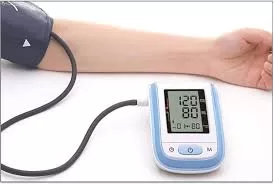
The new WHO report titled “Saving lives, spending less” estimates that an annual investment of only US$3 per person in cost-effective interventions could yield up to US$1 trillion in economic benefits by 2030. The report builds on the WHO’s “best buys” package—a set of evidence-based, affordable interventions targeting major risk factors such as tobacco use, unhealthy diet, harmful alcohol use, and physical inactivity, which underpin most NCDs. These interventions include taxation on tobacco and sugar-sweetened beverages, salt reduction strategies, early detection and treatment of hypertension, and accessible mental health services integrated within primary care.
This economic case for investment emphasizes not only the health gains but also the broad societal and economic dividends, including increased productivity and reduced healthcare spending due to avoidable complications.
Expert Perspectives
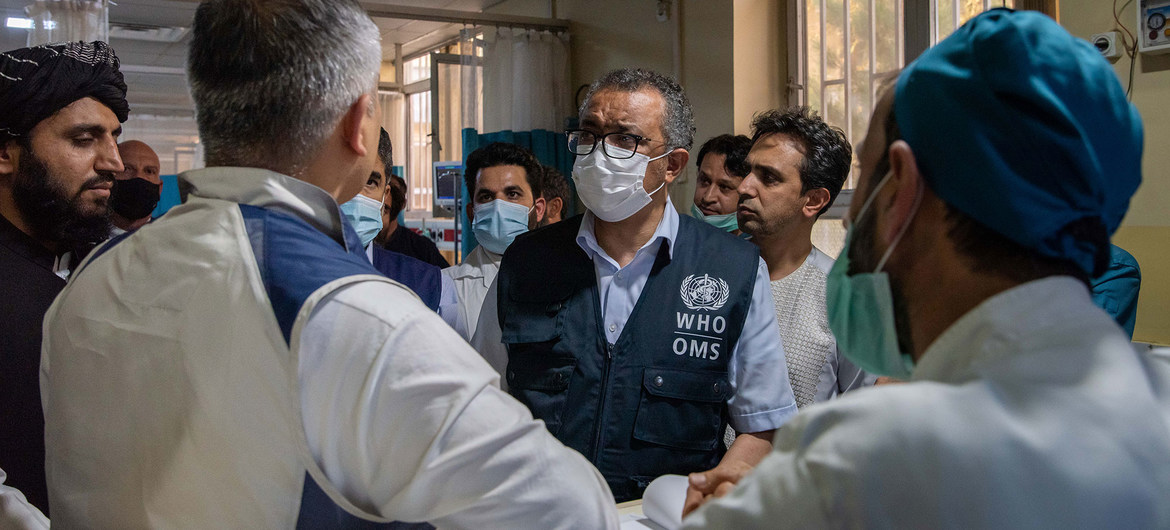
Dr. Tedros Adhanom Ghebreyesus, WHO Director-General, has emphasized the urgent need to prioritize mental health alongside NCDs. He highlighted the lasting psychosocial scars of the COVID-19 pandemic and noted that mental health is “very, very central” to global health. Dr. Tedros called for strengthened health systems, comprehensive community-based care, and enhanced social protection to counter the impacts of these diseases. He stressed that mental health must be elevated beyond health systems to a whole-of-government and society priority to effectively address the social and economic drivers.
Dévora Kestel, Director of WHO’s Department of Mental Health, Brain Health and Substance Use, outlined mental health’s growing prominence in global health diplomacy, underlining the importance of integrated strategies that address both mental health and NCDs together, given their shared risk factors and overlapping vulnerabilities.
Context and Background
The Fourth UN High-Level Meeting on NCDs and Mental Health represents a critical moment for the global health community to renew commitments and scale up action toward Sustainable Development Goal (SDG) target 3.4, which aims to reduce premature mortality from NCDs by one-third and promote mental health and well-being by 2030. Despite existing frameworks and evidence-based guidelines, progress has slowed, and some regions have seen a resurgence in NCD-related deaths, largely due to underinvestment and fragmented health systems.
Key challenges include lack of political commitment, inequitable access to healthcare services, insufficient financing, and social determinants such as poverty, education, and environmental factors. The new Political Declaration expected at HLM4 will focus on governance, integrated primary healthcare, sustainable financing, data systems, and addressing social determinants of health, urging countries to implement affordable ‘best buys’ interventions.
Implications for Public Health
For the general public and healthcare providers, the emphasis on cost-effective interventions translates into practical actions such as tobacco and alcohol control policies, promoting nutritious diets, physical activity, hypertension screening and treatment, and accessible mental health support at the community level. Countries adopting these strategies can expect significant reductions in avoidable deaths and disabilities, improved quality of life, and sustainable health system savings.
The integrated approach also signals more person-centered care that addresses mental health within NCD programs, recognizing the bi-directional relationship and the compounded risks these conditions pose to affected individuals. For citizens, this means greater advocacy for healthy environments and demand for comprehensive healthcare services that include mental well-being support.
Potential Limitations and Balanced Viewpoints
While the “best buys” interventions are proven and cost-effective, barriers exist—especially in low-resource settings. These include weak healthcare infrastructure, limited financial and human resources, low public awareness, and socioeconomic inequities. Experts note that without sustained political will, multi-sectoral collaboration, and increased funding, these interventions’ full potential may not be realized.
Some critiques also highlight the challenge of addressing mental health stigma and the complexity of social determinants that require broader societal changes beyond health policy alone. Monitoring and evaluation mechanisms must be strengthened to ensure equitable implementation and adapt strategies based on local contexts.
Conclusion
The WHO’s latest call to action and the upcoming UN High-Level Meeting underscore that tackling NCDs and mental health conditions is both a public health imperative and a development priority. Evidence-based, cost-effective strategies exist and must be urgently scaled up with political commitment, funding, and whole-of-society involvement. This dual focus promises substantial health, economic, and social benefits, ultimately saving millions of lives globally.
Medical Disclaimer:
This article is for informational purposes only and should not be considered medical advice. Always consult with qualified healthcare professionals before making any health-related decisions or changes to your treatment plan. The information presented here is based on current research and expert opinions, which may evolve as new evidence emerges.
References
-
World Health Organization. (2025, September 18). Saving lives, spending less: the global investment case for noncommunicable diseases. WHO. https://www.who.int/publications/i/item/9789240115859who