 0
0
 0
0
A new study published in Science on August 27, 2025, led by Dr. Lewis S. Crawford and colleagues at the University of Sydney, has revealed that placebo pain relief is not a global effect but is targeted to specific regions of the body, depending on where the brain expects it. This discovery, enabled by advanced brain imaging, marks a significant advance in pain neuroscience and promises more precise, non-opioid therapies for chronic pain patients—potentially transforming clinical practice worldwide.
Key Findings and Research
Researchers administered controlled heat pain to the face, arm, or leg of ninety-three healthy volunteers while using a placebo cream presented as a numbing agent. During training sessions, the painful stimulus was secretly reduced at the cream site, conditioning participants to associate that area with relief. When re-exposed to the same pain level in imaging sessions, nearly half continued to report reduced pain specifically in the area where the placebo cream was applied—even though the cream was inert and the stimulus identical.
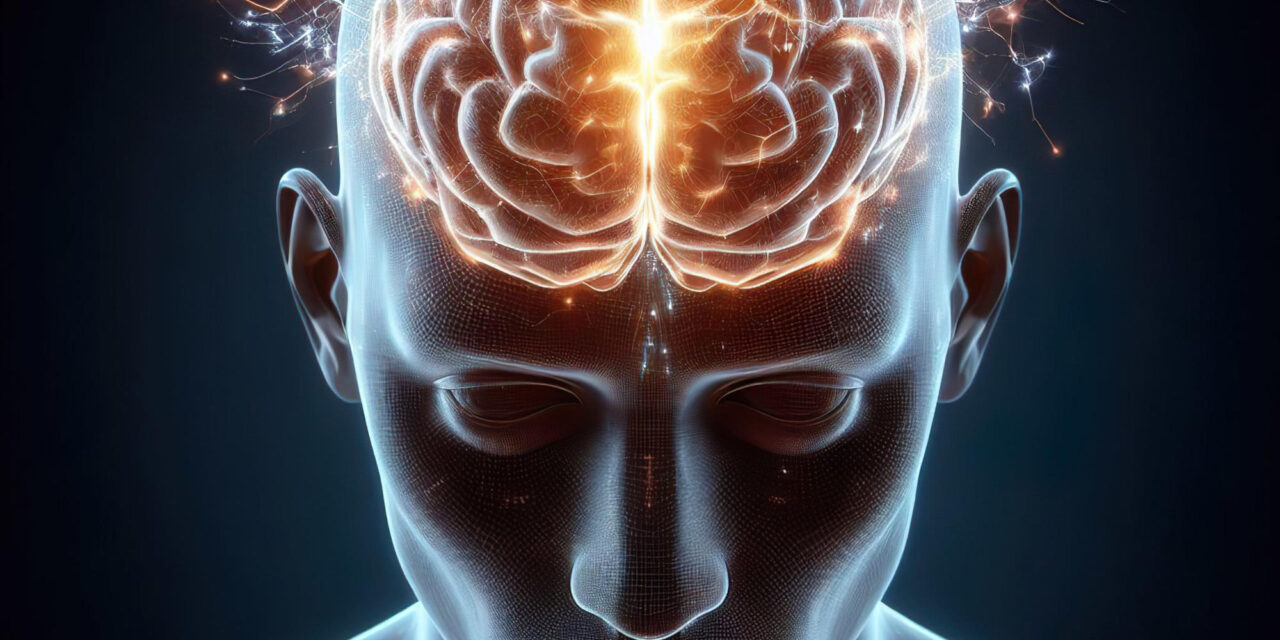
Functional MRI scans at 7-Tesla resolution (an exceptionally detailed imaging technology) revealed that the pain relief from placebo was spatially precise—tied to specific brainstem regions. Relief for facial pain activated higher brainstem zones, while arm and leg pain relief corresponded to lower regions. Two key brainstem hubs, the periaqueductal gray (PAG) and rostral ventromedial medulla (RVM), showed distinct activation depending on the body part involved. This somatotopic organization suggests the brain operates a map-like system, controlling pain locally rather than universally.
Expert Perspectives
Dr. Lewis Crawford, lead author, commented, “This is the first time we’ve seen such a precise and detailed pain map in the human brainstem, showing us that it tailors pain relief to the specific part of the body that’s experiencing it.” Co-author Professor Luke Henderson added, “We now have a blueprint for how the brain controls pain in a spatially organised way. This could help us design more effective and personalised treatments, especially for people with chronic pain in a specific area of their body”.
Independent experts not involved in the study, such as pain neurologists and clinical researchers, have been quick to emphasize how these findings move the field forward. Dr. Sarah Kim, a clinical pain specialist at Massachusetts General Hospital, explained, “This research convincingly demonstrates that the placebo effect isn’t just psychological—it is anatomically and neurochemically precise. For clinicians, this means the expectation of relief can activate very specific neural pathways, opening the door to targeted, non-drug interventions”.
Context and Background
Traditionally, placebo pain relief—or placebo analgesia—was understood as a broad, non-specific phenomenon driven by expectations, classical conditioning, and social interactions. The new Australian study, however, challenges this by demonstrating regionally specific neural signatures for placebo analgesia. These findings were built on decades of work and leveraged powerful imaging to study the descending pain control system, long known to modulate pain signals but lacking spatial specificity in previous research.
Older research has identified the opioid system as a key player in placebo analgesia, but this study suggests the lateral column of the PAG, which may rely more on natural cannabinoids, may mediate the targeted effects seen here. This distinction could explain the more local nature of some placebo responses and point to novel, non-opioid therapies for chronic, site-specific pain.
Implications for Public Health
The research has major implications for the treatment of chronic pain, a condition affecting millions and often managed with systemic medications like opioids—which come with risk of dependence, sedation, and widespread side effects. By uncovering how the brain delivers pain relief with anatomical precision, new therapies may be developed to target only the affected region, leaving the rest of the system untouched.
Patients experiencing chronic, localized pain—such as knee osteoarthritis or jaw pain—could benefit most from site-specific expectation training or treatments that harness these newly mapped brainstem circuits. Clinicians may, in the future, use brain imaging to confirm that therapies act on the intended area, optimizing treatments with fewer side effects and better outcomes.
Limitations and Counterarguments
While the study used a robust design and high-resolution imaging, nearly half of participants did not demonstrate a strong placebo response at all tested sites. This highlights substantial individual variability, likely influenced by differences in learning, expectations, and neurobiology. The majority of subjects were healthy adults, so findings may not fully translate to chronic pain patients, who might have altered pain pathways. The study also does not identify precisely which neurotransmitters mediate the localized effects—cannabinoids are implicated, but further research is necessary.
Moreover, the placebo response is known to be stronger in certain conditions (such as chronic low-back pain) and may fluctuate depending on context, expectation setting, and clinicians’ communication with patients. The results also do not suggest placebos should replace active treatment, but rather inform the design of treatment protocols that optimize patient expectation and engagement.
Practical Implications
For readers and healthcare professionals, these findings reinforce several practical strategies:
-
Cultivating positive, specific expectations when managing pain—such as by focusing on relief in the area that hurts—may strengthen the brain’s natural pain control systems.
-
Non-opioid approaches—including cognitive and behavioral training designed to shape expectation—may become more common, particularly for site-specific or chronic pain.
-
Patients should seek out providers who offer empathic, clear, and targeted communication about treatment expectations, as this may improve outcomes.
-
Chronic pain sufferers may eventually benefit from therapies that combine medication or devices with behavioral conditioning that “trains” the brain’s map to constrain pain relief exactly where it’s needed.
Medical Disclaimer
Medical Disclaimer: This article is for informational purposes only and should not be considered medical advice. Always consult with qualified healthcare professionals before making any health-related decisions or changes to your treatment plan. The information presented here is based on current research and expert opinions, which may evolve as new evidence emerges.
References