 0
0
 0
0
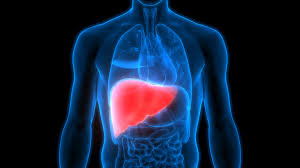
GUANGDONG, CHINA & NEW HAVEN, CT & SEATTLE, WA – A potential breakthrough in liver disease detection could allow doctors to identify individuals at high risk for metabolic dysfunction-associated steatotic liver disease (MASLD) more than a decade before symptoms manifest, according to new research presented at Digestive Disease Week (DDW) 2025.
The study, led by Dr. Shiyi Yu from Guangdong Provincial People’s Hospital in China, found that specific levels of five key proteins in the blood strongly correlate with the future development of MASLD, the most common liver disorder globally. MASLD often progresses silently until advanced stages and significantly increases the risk of serious health complications and mortality.
“This represents the first high-performance, ultra-early (16 years) predictive model for MASLD,” stated Dr. Yu, the study’s first author. “The findings could be a game-changer for how we screen for and intervene in liver disease.”
Researchers analyzed data from 52,952 participants in the UK Biobank study, followed for up to 16.6 years. None had MASLD at the start. Over the follow-up period, 782 participants were diagnosed with the condition.
By examining 2,737 blood proteins, the team identified five – CDHR2, FUOM, KRT18, ACY1, and GGT1 – as robust biomarkers. Deviations in the plasma concentrations of these proteins were observable up to 16 years before MASLD diagnosis. Higher baseline levels of these proteins were associated with a risk of developing MASLD that was seven to nearly ten times higher.
A model combining these five proteins demonstrated strong predictive power for future MASLD development at 5 years (AUC = 0.857), 10 years (AUC = 0.775), and across the entire follow-up period (AUC = 0.758). When combined with clinical risk factors like BMI and daily exercise levels, the model’s accuracy soared to 90.4% for predicting MASLD within 5 years and 82.2% accuracy up to 16 years in advance. Dr. Yu noted this “surpass[es] all existing short-term prediction models.”
The model’s robustness was further supported by similar findings in a smaller, independent cohort in China, suggesting potential applicability across diverse populations.
Experts emphasize the significance of this potential early warning system. “Instead of waiting for symptoms or irreversible damage, we can [identify] high-risk individuals early and take steps to prevent MASLD from developing,” Dr. Yu explained. She added that informing patients of their protein-based risk score could trigger personalized lifestyle interventions, such as diet and exercise counseling, “years before liver damage begins.” It could also lead to more frequent monitoring for those identified as high-risk.
Dr. Loren A. Laine, council chair of DDW 2025 and professor at Yale School of Medicine, commented on the study’s impressive predictive performance, noting that accuracy in the 90s indicates an “excellent” model. He agreed that identifying at-risk individuals early allows for timely interventions, potentially general lifestyle changes or more specific actions based on the proteins’ functions.
Dr. Rotonya Carr, division head of gastroenterology at the University of Washington, highlighted the urgent need for such predictive tools. “The predictions are that if we don’t do anything, as many as 122 million people will be impacted by MASLD” in the US by 2050, she stated. Dr. Carr envisions this tool working similarly to cardiovascular risk calculators, empowering patients and physicians with information about future health risks to guide decisions.
While acknowledging that more research is needed to fully understand the biological roles of these proteins, Dr. Yu concluded, “This is a big step toward personalized prevention. By finding at-risk patients early, we hope to help stop MASLD before it starts.”
Disclaimer: This news article is based on research findings presented at a medical conference (Digestive Disease Week 2025). The information discussed involves preliminary research results. Further research, validation, and regulatory review are typically required before such predictive models can be implemented in clinical practice. This article is for informational purposes only and does not constitute medical advice. Consult with a qualified healthcare professional for any health concerns or before making any decisions related to your health or treatment.3