 0
0
 0
0
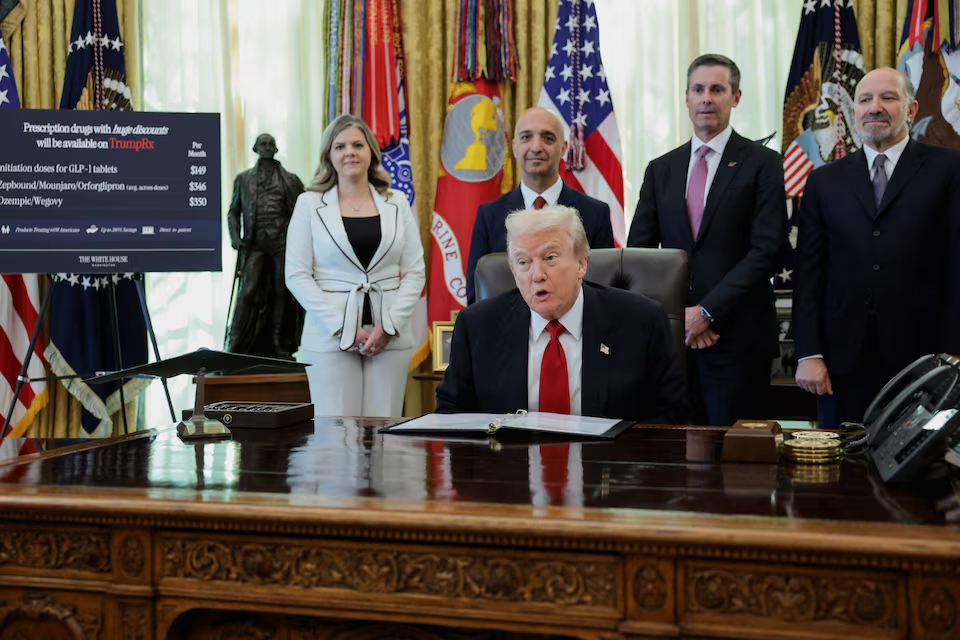
In a monumental move announced on November 6, 2025, the Trump administration struck major agreements with pharmaceutical giants Novo Nordisk and Eli Lilly to significantly reduce the prices of their blockbuster weight-loss drugs. This historic deal aims to increase affordability and accessibility of these life-changing medications for Medicare, Medicaid beneficiaries, and the general public in the United States, potentially reshaping the landscape of obesity treatment.
President Donald Trump revealed the agreements at a White House event, joining forces with the two leading drugmakers behind the popular glucagon-like peptide-1 (GLP-1) medications Wegovy and Zepbound. The deal will lower monthly out-of-pocket costs for these obesity drugs from over $1,000 to between $50 and $350 starting in 2026, depending on dosage, the patient’s insurance coverage, and specific drug formulations. The initiative is part of the administration’s broader “most favored nation” strategy to align U.S. drug prices with lower international levels and to confront the challenge of prohibitive drug costs that have limited patient access.
What Are GLP-1 Drugs and Why Are They Important?
GLP-1 receptor agonists, such as Wegovy from Novo Nordisk and Zepbound from Eli Lilly, are revolutionary injectable and oral medications that aid weight loss primarily by regulating appetite and glucose metabolism. Since their approval in the early 2020s, these drugs have emerged as some of the most effective pharmacological treatments for obesity, with clinical trials showing an average weight loss of approximately 15% of body weight, alongside improvements in cardiovascular and metabolic health outcomes.
However, their high prices—often exceeding $1,000 per month—have restricted widespread use, especially among lower-income patients. The current deal addresses this barrier by significantly cutting costs for government healthcare program beneficiaries and introducing a government-backed platform, TrumpRx.gov, where patients can access these medications more affordably.
Key Elements of the Deal
-
Price Reductions: Monthly out-of-pocket costs for Medicare and Medicaid beneficiaries will fall to about $50 for approved indications, including obesity and type 2 diabetes. For cash-paying consumers, prices through TrumpRx.gov will start at $145 for the oral formulations, expected to launch between late 2025 and early 2026.
-
Expanded Coverage: Medicare will cover obesity drugs for the first time, marking a milestone in public health policy. This could set a precedent encouraging private insurers to follow suit.
-
Market Access: The agreement grants the manufacturers broader access to government healthcare markets, balancing price cuts with volume incentives.
-
Caps and Eligibility Limits: Around 10% of Medicare recipients are estimated to qualify for the full benefits under the program, reflecting some medical and demographic eligibility restrictions imposed by policy-makers to target the most appropriate patients.
Expert Perspectives and Context
Dr. Amanda Klein, an endocrinologist specializing in metabolic disorders who was not involved in these negotiations, views the deal as a crucial step forward. “Reducing the financial burden of these medications is essential to tackling America’s obesity epidemic, which affects nearly 42% of adults and contributes significantly to chronic diseases like diabetes and heart disease,” she said. “Increased access to effective treatments can transform patient outcomes and reduce healthcare costs long-term.”
Yet, some experts caution about the sustainability and broader implications. Dr. Mark Shelton, a health economist, notes, “While lowering prices is a win for patients, care must be taken to monitor the impact on pharmaceutical innovation. Reduced revenues could affect future drug development unless balanced by volume increases and other factors.” Additionally, questions remain about insurance coverage decisions at the state level for Medicaid recipients and the precise clinical criteria for Medicare eligibility.
Public Health Implications
Obesity is recognized globally as a major driver of preventable diseases, including cardiovascular disease, type 2 diabetes, and certain cancers. According to recent reports, obesity affects over 650 million adults worldwide, with the U.S. having one of the highest prevalences. The availability of affordable, effective GLP-1 drugs through government programs and private markets may encourage more patients to seek treatment and adhere to prescribed regimens, which could translate into improved population health outcomes.
Moreover, the pharmaceutical companies’ moves to introduce oral versions of these medications—expected to simplify treatment regimens—may appeal to a wider range of patients uncomfortable with injectables. This comes amid heightened competition in the obesity drug market, with next-generation therapies in development aiming to further advance efficacy and safety profiles.
Limitations and Balanced View
It is important to note that GLP-1 drugs are not a cure-all. They require ongoing use for sustained benefits and may cause side effects such as gastrointestinal discomfort. Behavioral interventions including diet and exercise remain foundational to obesity management. The new pricing deals improve access but do not eliminate all socioeconomic barriers; insurance coverage and out-of-pocket costs will still vary based on individual circumstances.
What This Means for Individuals
For Americans struggling with obesity, this deal signals promising new affordability and access to medications that could aid in weight loss and improve related health conditions. Patients should consult healthcare providers to discuss whether GLP-1 therapies are appropriate for their clinical profile. Insurance beneficiaries should check eligibility and coverage details expected to rollout starting in mid-2026.
Medical Disclaimer
This article is for informational purposes only and should not be considered medical advice. Always consult with qualified healthcare professionals before making any health-related decisions or changes to your treatment plan. The information presented here is based on current research and expert opinions, which may evolve as new evidence emerges.
References
-
Reuters. “Novo Nordisk, Lilly strike deal with Trump to slash weight-loss drug prices.” Published November 6, 2025