 0
0
 0
0
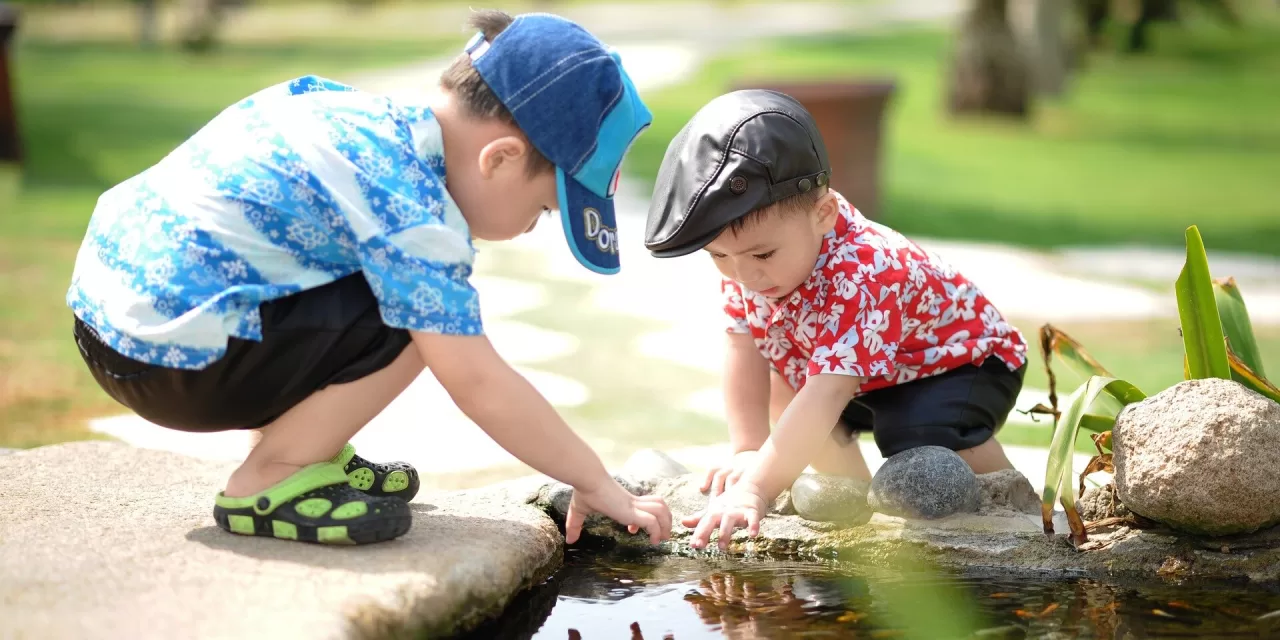
A growing body of research is highlighting the critical role that even small patches of green space—like a tree, a patch of grass, or a sandbox—can play in the healthy development of young children. According to a recent study from the University of Illinois Urbana-Champaign, access to natural elements near the home before age two is strongly associated with improved cognitive skills and emotional regulation in preschoolers.
The study, part of the STRONG Kids2 project, tracked hundreds of Midwestern families from infancy through kindergarten. Using satellite mapping and detailed parent surveys, researchers assessed how features such as trees, sandboxes, and outdoor storage influenced children’s executive function—the set of mental skills that includes memory, self-control, and flexible thinking. Executive function is divided into “cold” skills (like planning and attention) and “hot” skills (such as managing emotions).
Children with access to trees, a sandbox, or outdoor storage before age two demonstrated significantly stronger “cold” executive function by age four, showing greater ability to concentrate and follow directions. Features like decks or porches, and living in close-knit farming communities, were linked to better “hot” executive function, enabling children to better calm themselves and delay gratification.
The benefits extended beyond the children themselves. Families with more greenery around their homes reported less household chaos, more predictable routines, and lower stress levels. Outdoor time often served as a restorative break for both parents and children, helping to regulate emotions and promote mental health.
However, the study also found that access to nature is not distributed equally. Children in low-income families are more likely to experience “nature deprivation,” underscoring the need for policies that increase green spaces in underserved communities. Solutions such as pocket parks, community gardens, and traffic-calmed streets could provide vital access where private yards are scarce.
Researchers emphasize that even small changes—like adding a tree, keeping a bucket of sand, or setting up chairs on a porch—can make a meaningful difference. Educators can also contribute by incorporating natural elements into schoolyards, with even brief recesses under trees shown to sharpen attention in the classroom.
The findings, published in the journal Children, Youth and Environments, suggest that exposure to green spaces during early childhood is a simple, actionable way to support cognitive and emotional development, with potential long-term benefits for academic and social success.
“It’s not just about helping your child, but also yourself, because outdoor activities promote mental health and restoration for everyone,” said study author Samantha Iwinski.
Disclaimer:
This article is based on findings from a recent study and related research. While the results highlight strong associations between access to green spaces and child development, individual outcomes may vary. The information provided should not be considered medical or psychological advice. For specific concerns about child development, consult a qualified healthcare or child development professional.