 0
0
 0
0
Antimicrobial resistance (AMR), marked by the rise of drug-resistant “superbugs,” is one of the greatest challenges in modern medicine today. In response, researchers at the National Institute of Technology (NIT) Rourkela, India, have developed an eco-friendly, innovative approach using plant-based extracts to create antibacterial nanoparticles that may provide an effective, sustainable solution to this growing crisis.
Breakthrough Using Medicinal Plant Extracts
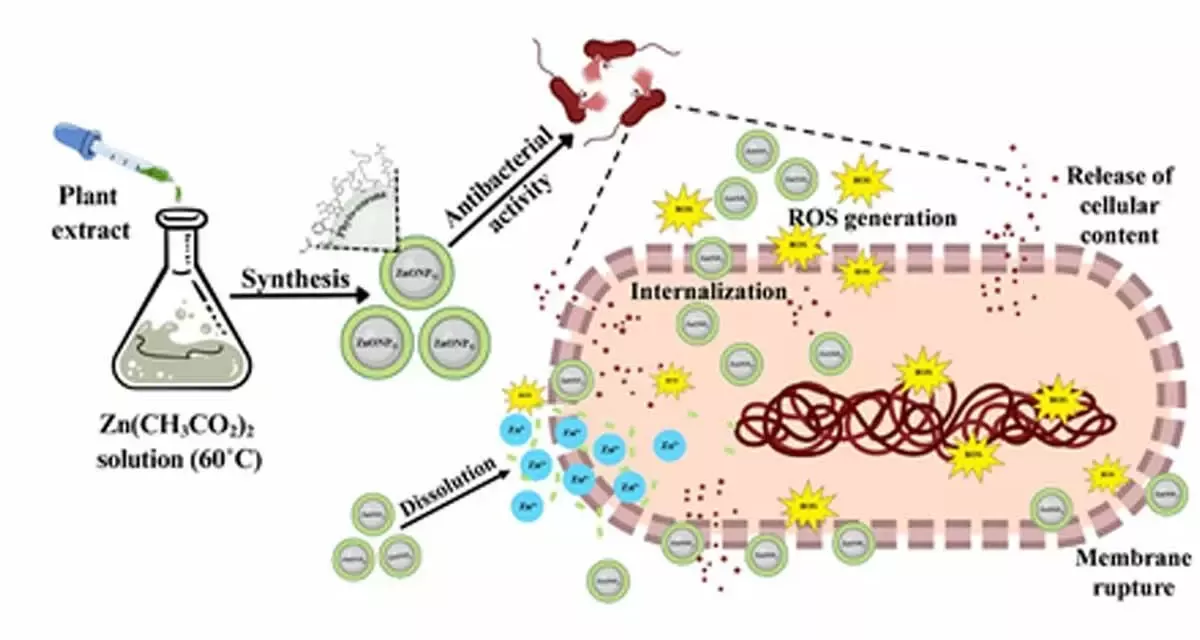
Led by Associate Professor Dr. Suman Jha and a team of research scholars, NIT Rourkela scientists have adopted a green synthesis method that leverages leaf and petal extracts from medicinal plants such as marigold, mango, and eucalyptus. These extracts are used to convert zinc salts into zinc oxide nanoparticles enriched with natural phytocompounds, without relying on harsh chemicals commonly involved in traditional nanoparticle production.
Zinc oxide nanoparticles are extraordinarily small—tens of thousands can fit across the width of a human hair—and possess potent antibacterial properties. They kill bacteria by generating reactive molecules that disrupt bacterial membranes, hinder vital cellular functions, and ultimately cause microbial death. The plant-derived compounds attach to the nanoparticles’ surfaces, forming a “phyto-corona” that enhances their stability and antibacterial efficacy while controlling the release of zinc ions for sustained action.
Addressing the Antibiotic Resistance Crisis
The overuse and misuse of conventional antibiotics have fueled a sharp increase in antibiotic-resistant infections worldwide. According to the World Health Organization’s 2025 Global Antibiotic Resistance Surveillance Report, one in six common bacterial infections globally were resistant to standard antibiotics in 2023, highlighting the urgent need for new treatment strategies.
AMR causes an estimated 1.2 million deaths annually and threatens to undermine decades of medical progress. Without effective antibiotics, simple infections can become life-threatening, surgical procedures risk failure, and treatments for diseases like cancer and diabetes become complicated due to infection risks.
Expert Perspectives
Dr. Suman Jha emphasizes the value of this green approach: “The green-synthesized zinc oxide nanoparticles with phyto-corona offer a sustainable and effective antimicrobial platform that harnesses the medicinal benefits of plant compounds. This research represents a vital step toward new-generation green nanomaterials that can support sustainable healthcare systems”.
Independent experts in microbiology highlight the importance of such alternatives. Dr. Renu Gupta, a microbiologist at the Institute of Human Behaviour & Allied Sciences, Delhi, notes, “Developing alternative antimicrobials such as plant-based nanomaterials is critical to diversify our arsenal beyond traditional antibiotics, which face diminishing efficacy due to resistance.” She adds that integrating such approaches alongside prudent antibiotic use and infection control measures is essential in managing AMR.
Broader Context and Potential Impact
The research published in the peer-reviewed journal Surfaces and Interphases represents a promising addition to the evolving field of alternative antimicrobial therapies. It aligns with global calls for more environmentally responsible and innovative treatments, including nanoparticles, probiotics, bacteriophages, and antibody therapies.
This plant-based nanoparticle technology is significant because it avoids toxic byproducts typically associated with chemical nanoparticle synthesis, making it safer for human health and ecological systems. Moreover, the synergistic antibacterial action—where plant phytochemicals themselves possess antimicrobial properties—offers a “double attack” mechanism against resistant bacteria.
Limitations and Future Directions
Though this discovery is promising, it remains a preclinical development. Extensive clinical trials are necessary to verify safety, efficacy, optimal dosing, and potential side effects in humans. Scaling up production while maintaining consistency and environmental sustainability will be another challenge.
Experts caution that no single solution is sufficient to solve AMR. Effective containment will require multi-pronged strategies including better diagnostics, new antibiotics, vaccines, stewardship programs, and alternative treatments such as this one.
Practical Implications for Readers
For the general public, this research underscores the critical importance of using antibiotics responsibly—only when prescribed by healthcare professionals—and supports global efforts to develop safer, more sustainable ways to fight infections.
As innovations like eco-friendly zinc oxide nanoparticles progress, they hold potential to enhance future treatment options for infections, especially those resistant to current antibiotics. However, individuals should not self-medicate with unapproved alternatives and must rely on trusted medical advice for infection management.
Medical Disclaimer
Medical Disclaimer: This article is for informational purposes only and should not be considered medical advice. Always consult with qualified healthcare professionals before making any health-related decisions or changes to your treatment plan. The information presented here is based on current research and expert opinions, which may evolve as new evidence emerges.
References
- https://www.edexlive.com/news/nit-rourkela-develops-green-solution-to-combat-antibiotic-resistance
- https://timesofindia.indiatimes.com/city/bhubaneswar/nit-rourkela-scientists-develop-eco-friendly-antibacterial-agents-from-plant-extracts/articleshow/124584359.cms