 0
0
 0
0
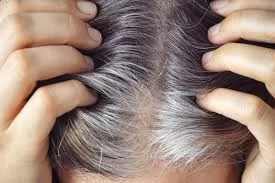
Emerging scientific research challenges the widespread notion that gray hair simply marks aging or stress. A recent study from The University of Tokyo reveals that graying hair could be a sign of the body’s protective cellular processes, where damaged pigment stem cells choose to safely retire rather than transform into dangerous cancer cells. This finding, published in Nature Cell Biology in late 2025, offers a new perspective on why hair turns gray and its implications for understanding cellular health and disease prevention.
What the Study Found
Led by Professors Emi Nishimura and Yasuaki Mohri, the team investigated melanocyte stem cells—cells responsible for producing the pigment melanin that colors hair—using advanced gene tracing techniques in mice. Their work showed that when these stem cells accumulate DNA damage from environmental factors like sunlight or chemical exposure, they face a crucial decision: either cease replication through a process known as senescence-coupled differentiation or continue dividing, which increases the risk of developing melanoma, a deadly form of skin cancer.
The process leading to gray hair involves the stem cells opting for a protective retirement, halting pigment production and leaving gray strands as visible proof of this cellular decision. This action is regulated by molecular pathways such as p53-p21, which act as damage control switches within cells. In contrast, when the cells ignore these safety signals and continue to replicate, they can form malignant tumors.
As Professor Nishimura explains, “Hair graying and melanoma are divergent outcomes of the same stem cell stress responses. Graying is the body’s way of choosing caution and avoiding cancer development”.
Expert Commentary
Dr. Yasuaki Mohri, co-author and assistant professor in the Division of Aging and Regeneration at The University of Tokyo, highlights the clinical significance: “While gray hair develops, the risk of melanoma simultaneously decreases. This protective mechanism reflects an evolutionary balance between cellular renewal and safety”.
Independent experts underscore the study’s novel insight. Dr. Jane Chen, a dermatologist specializing in pigment disorders, notes, “This research deepens our understanding of the biological trade-offs behind hair graying. Rather than a mere sign of aging, gray hair might indicate effective cellular quality control”.
Context and Background
Historically, hair graying has been attributed to the gradual depletion or dysfunction of pigment-producing melanocytes in hair follicles. Oxidative stress and genetic factors also play known roles. However, the Tokyo study emphasizes a more dynamic cellular decision-making process balancing tissue regeneration and cancer risk.
Previous research linked premature graying with health risks such as cardiovascular disease and accelerated aging, especially when it occurs at a young age. This new evidence suggests a more nuanced interpretation: some gray hair reflects healthy cellular ‘senescence’ protecting against malignancy, whereas early or extensive graying might indicate deeper systemic stress or nutritional deficiencies.
Public Health Implications
For the general public, these findings offer reassurance that gray hair need not be a cause of stress but rather a visible marker of the body’s natural protective strategies. It also highlights the importance of DNA damage prevention through sun protection and reducing environmental exposures.
At the same time, premature or sudden gray hair should prompt medical evaluation, as it may signal underlying health issues like oxidative stress or autoimmune disorders. Maintaining nutritional health with adequate vitamins (e.g., B12, folate) and managing stress are beneficial both for hair health and overall cellular function.
Potential Limitations and Conflicting Views
While the murine model provides strong mechanistic insights, human hair follicle biology involves additional complexity. The exact translation of these findings to diverse human populations requires further clinical research.
Moreover, graying does not guarantee cancer protection, nor does it prevent the possibility of skin cancers from other causes. Some experts caution that while the body’s choice to remove damaged cells is protective, other factors like genetics and environmental exposures significantly influence cancer risk.
-
Gray hair may reflect healthy cellular choices to prevent malignancy, not merely aging or stress.
-
Protecting skin from UV exposure remains crucial in preventing DNA damage that can lead to hair graying and cancer.
-
Premature gray hair should be assessed by healthcare professionals to rule out underlying health conditions.
-
Good nutrition and stress management support cellular health.
-
Gray hair itself should not cause undue anxiety but can be part of normal aging or a body’s cellular protection mechanism.
Medical Disclaimer
This article is for informational purposes only and should not be considered medical advice. Always consult with qualified healthcare professionals before making any health-related decisions or changes to your treatment plan. The information presented here is based on current research and expert opinions, which may evolve as new evidence emerges.
References