 0
0
 0
0
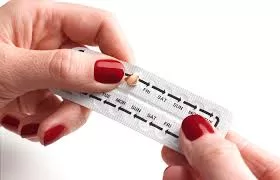
New Delhi – In a significant move to streamline access to emergency contraception across India, the Drugs Consultative Committee (DCC) has approved the inclusion of Levonorgestrel tablets (0.75 mg and 1.5 mg) under Schedule K of the Drugs Rules, 1945.
The decision, finalized following recommendations from an expert subcommittee, effectively clarifies the regulatory status of the “morning-after pill,” ensuring it remains accessible without a prescription. By listing the drug under Schedule K, the government exempts it from certain sale license restrictions, allowing for wider distribution channels—including through community health workers—crucial for reaching rural and underserved populations.
Regulatory Clarity and Expanded Access
For years, the regulatory status of Emergency Contraceptive Pills (ECPs) in India has navigated a complex landscape between over-the-counter (OTC) availability and prescription requirements. While ECPs have long been available without a prescription, recent regulatory ambiguities and conflicting entries between “Schedule H” (prescription-only) and “Schedule K” (exempted) created confusion among manufacturers and pharmacists.
The DCC’s decision to add Levonorgestrel specifically to Entry No. 15 of Schedule K resolves this ambiguity.
“This is a harmonization of the rules to reflect public health reality,” notes a senior regulatory official familiar with the proceedings. “By formally placing these specific strengths of Levonorgestrel under Schedule K, we are legally protecting the mechanism that allows non-pharmacist health workers, such as ASHAs (Accredited Social Health Activists), to stock and distribute these essential medicines in rural areas.”
Balancing Access with Safety
While the move is a victory for reproductive rights advocates who argued that restricting access would lead to a rise in unsafe abortions, the approval comes with strict safety caveats. The panel has mandated that manufacturers include prominent boxed warnings on all packaging and inserts. These mandatory disclosures must state:
-
No STI Protection: The drug does not offer protection against HIV or sexually transmitted infections.
-
Usage Limits: Do not take this medicine more than twice a month.
-
Medical Consultation: The use of alternative, long-term methods of contraception is encouraged in consultation with a Registered Medical Practitioner (RMP).
Dr. Anita Sharma, a senior gynaecologist based in New Delhi, welcomes the clarity but emphasizes the importance of the new labeling. “Access is non-negotiable, but so is education,” she says. “We often see patients using ECPs as a primary method of birth control, which causes hormonal irregularities. The mandatory warning against frequent use is a necessary step to bridge the gap between easy access and responsible usage.”
The “Schedule K” Advantage
Understanding “Schedule K” is key to grasping the impact of this decision. Under the Drugs and Cosmetics Rules, 1945, drugs listed in Schedule K are exempt from the requirement of a sale license, provided they are sold under specific conditions.
This exemption is vital for India’s public health infrastructure. It empowers grassroots workers and smaller outlets to dispense these medications without a full-fledged pharmacist’s license. For women in remote villages, where the nearest doctor or chemist might be miles away, this regulatory detail can be the difference between preventing an unintended pregnancy and facing the health risks of an unsafe abortion.
Addressing Recent Controversies
The decision comes on the heels of intense debate within the medical community. Last year, proposals were floated by certain expert panels to move hormonal contraceptives back to a stricter prescription-only status, citing concerns over side effects like menstrual irregularity and nausea.
Women’s rights organizations strongly opposed such restrictions, arguing that the time barrier of finding a doctor for a time-sensitive drug (which must be taken within 72 hours) defeats the purpose of “emergency” contraception.
“This decision is a validation of women’s bodily autonomy,” says a representative from a leading reproductive health NGO. “The government has signaled that while safety is important, it cannot come at the cost of access. We need counseling, not gatekeeping.”
Implications for Public Health
According to National Family Health Survey (NFHS) data, the unmet need for family planning in India remains a challenge. The inclusion of Levonorgestrel in Schedule K aligns with the government’s broader mission to stabilize population growth and improve maternal health outcomes.
However, experts caution that this must be paired with robust counseling. “The pill is a backup, not a routine method,” adds Dr. Sharma. “Public health campaigns must now focus on transitioning users from emergency pills to regular contraceptives like condoms, oral pills, or IUDs.”
Medical Disclaimer: This article is for informational purposes only and should not be considered medical advice. Always consult with qualified healthcare professionals before making any health-related decisions or changes to your treatment plan. The information presented here is based on current research and expert opinions, which may evolve as new evidence emerges.
References
-
Medical Dialogues. (2025, December 4). Govt Panel Approves Inclusion of Emergency Contraceptive Levonorgestrel Under Schedule K.