 0
0
 0
0
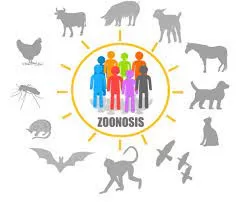
The Government of India has ramped up efforts to combat zoonotic diseases, allocating a record Rs 15.73 crore for their prevention and control in the fiscal year 2025, with over Rs 10 crore already spent so far. This is the highest allocation in the last five years under the National One Health Programme for Prevention and Control of Zoonoses (NOHP-PCZ), according to a written reply by Union Minister of State for Health, Prataprao Jadhav, in the Lok Sabha.
For comparison, more than Rs 15.11 crore was allocated in the 2023-24 financial year, of which Rs 6.6 crore was spent. The increased funding underscores the government’s focus on bolstering surveillance, detection, and outbreak response mechanisms for zoonotic diseases in India, including the Nipah Virus Disease (NiV).
Nipah Virus: Kerala Cases and Outbreak Control
The Minister reported that three cases of Nipah Virus infection were detected in 2025 across Malappuram and Palakkad districts of Kerala, with 677 contacts traced and monitored. The government has intensified its surveillance and established a National Joint Outbreak Response Team (NJORT) as part of the wider containment strategy. Additionally, whole genome sequencing is now being undertaken on all clinical specimens from confirmed cases.
Experts have identified Pteropid fruit bats (flying foxes) as the primary natural reservoirs of the Nipah virus. Human outbreaks tend to occur in clusters, particularly among close contacts and caregivers. In India, Nipah incidents often coincide with the palm date sap collection season, as fruit bats frequent sap collection sites, facilitating virus transmission to humans.
Notably, India has faced recurring Nipah outbreaks: in West Bengal (2001, 2007) and in Kerala (2018, 2019, 2021, 2023, 2024, and 2025). The latest surge in cases has prompted the government to further strengthen its surveillance and rapid response capabilities.
Ongoing Government Initiatives
The NOHP-PCZ has implemented multiple initiatives to enhance the nation’s capacity to respond to zoonotic threats. These include:
-
Strengthening prevention, detection, and response systems nationwide.
-
Coordinating joint outbreak response teams.
-
Expanding monitoring through whole genome sequencing for all positive Nipah cases.
The Health Ministry has reiterated the importance of swift intervention, public vigilance, and collaboration across departments to contain future outbreaks and minimize public health risks.
Disclaimer:
The views expressed in this article reflect official government communication and insights from health authorities. The article is intended for informational purposes only. Comments published on this matter should remain respectful, and any offensive or unlawful language is subject to legal action.