 0
0
 0
0
December 17, 2025
NEW DELHI — In a significant update regarding India’s flagship affordable medicine scheme, the Union Ministry of Chemicals and Fertilizers has clarified that there are currently no plans to introduce courier-based home delivery or “Mega Kendras” for the Pradhan Mantri Bhartiya Janaushadhi Pariyojana (PMBJP).
In a written reply to the Rajya Sabha on December 16, 2025, Union Minister of State Smt. Anupriya Patel emphasized that patient safety and legal compliance under the Drugs Rules, 1945, necessitate the physical presence of pharmacists during dispensation. This announcement comes alongside an ambitious target to expand the network to 25,000 Jan Aushadhi Kendras (JAKs) by March 2027, aimed at bridging the accessibility gap without compromising medical standards.
Balancing Access with Safety
The government’s stance on home delivery addresses a growing debate in the healthcare sector regarding the convenience of e-pharmacy models versus the safety protocols of traditional dispensing.
According to the Ministry, the decision to forego courier delivery is rooted in regulatory compliance. “Since dispensing of drugs from JAK outlets is done by individual pharmacists, their presence is required at the outlet,” the statement noted. The Drugs Rules, 1945, explicitly require a pharmacist to validate a prescription at the actual time of dispensation.
This approach prioritizes the “pharmacist-patient” interaction, ensuring that prescription drugs—which can carry significant risks if misused—are vetted by a qualified professional before reaching the consumer.
The “Under Process” Gap: Understanding Availability
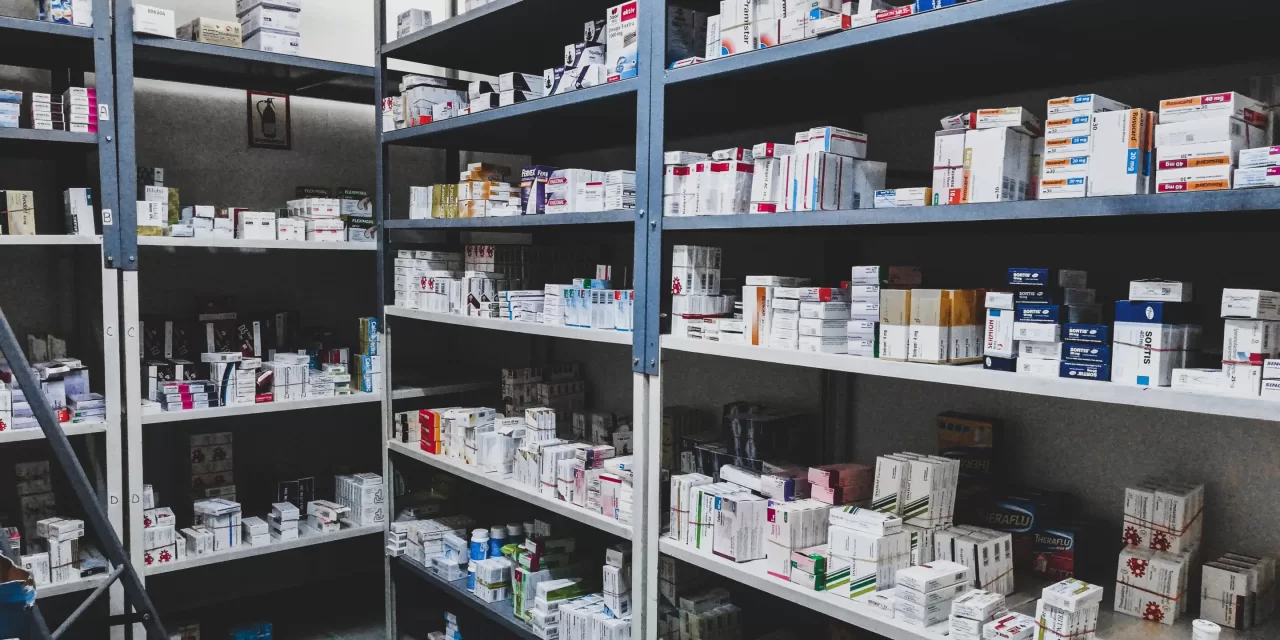
For healthcare professionals and patients relying on the scheme, the availability of specific molecules is a top concern. The Ministry reported that the current PMBJP product basket consists of 2,425 medicines, medical devices, and consumables. However, approximately 351 medicines are currently marked as “under process.”
This classification indicates that these drugs are in the tendering phase. The government procures these products through rate contracts established via open tendering. When a drug is “under process,” it means the procurement price is being determined, or re-tendering is underway due to a lack of bids. This transparency is crucial for physicians prescribing within the scheme, as it helps manage patient expectations regarding stock availability.
Supply Chain Overhaul and New Incentives
To mitigate supply gaps—a historical pain point for the scheme—the government has rolled out an end-to-end IT-enabled supply chain system. This network now includes five central warehouses and 39 distributors nationwide.
In a move likely to improve local stock reliability, a new incentive structure was introduced in September 2024. JAK owners now receive monthly incentives for maintaining stocks of 200 commonly used medicines. This list comprises:
-
The top 100 selling medicines within the PMBJP basket.
-
The top 100 fast-selling medicines in the general market.
Furthermore, the implementing agency is now regularly monitoring 400 fast-moving products and utilizing digitized forecasting methods to automate and expedite procurement.
Essential Drugs and Safety Exclusions
The PMBJP basket is designed to align with national health priorities. It includes all medicines listed in the Essential Drug List under the Indian Public Health Standards (IPHS).
However, the Ministry highlighted specific exclusions designed to ensure safety and avoid duplication of state efforts:
-
Free-of-charge medicines: Drugs already provided free under national health programs (e.g., certain tuberculosis or HIV treatments) are not duplicated in the JAK basket.
-
Hospital-only drugs: Medicines administered directly in clinical settings, such as anaesthetics, are excluded.
-
High-risk Opioids: To prevent substance abuse, opioids with high addiction potential—specifically fentanyl, morphine, codeine, and buprenorphine—are strictly excluded from the scheme.
Expert Perspectives
Medical experts have largely welcomed the government’s caution regarding home delivery, citing antibiotic resistance and medication errors as key concerns.
“While home delivery offers convenience, the bypassing of direct pharmacist verification can lead to the dispensing of restricted drugs without proper oversight,” explains Dr. Aruna Desai, a public health policy consultant and former hospital administrator. “The government’s insistence on adherence to the Drugs Rules, 1945, reinforces the role of the pharmacist as a critical checkpoint in healthcare delivery, rather than just a dispenser.”
However, others point out that supply consistency remains the primary hurdle. “The incentive for stocking 200 common meds is a positive step,” notes Dr. Rajesh Gupta, a senior pharmacologist. “But for rural patients, the ‘under process’ status of 351 medicines can mean interrupted treatment. The digitization of demand forecasting is essential, but its success will be measured by how quickly those shelves are restocked.”
Implications for Public Health
For the general public, this update signals a continued expansion of affordable healthcare options. With 17,610 Kendras already operational as of November 2025, the push to reach 25,000 by 2027 represents a massive scaling of infrastructure.
For patients, this means:
-
Greater physical access: More stores are opening in underserved areas.
-
Reliability: The focus on stocking “fast-moving” items should reduce instances of empty shelves for common ailments like hypertension and diabetes.
-
Protocol: Patients must continue to visit stores physically with valid prescriptions for Schedule H and H1 drugs, as online delivery remains off the table.
Conclusion
The PMBJP update reflects a strategic choice to value safety and regulatory adherence over the immediate convenience of e-commerce models. As the scheme races toward its 2027 target, the focus remains on robust supply chains and the pivotal role of the pharmacist in India’s healthcare ecosystem.
Medical Disclaimer
Medical Disclaimer: This article is for informational purposes only and should not be considered medical advice. Always consult with qualified healthcare professionals before making any health-related decisions or changes to your treatment plan. The information presented here is based on current research and expert opinions, which may evolve as new evidence emerges.
References
-
Primary Source: Press Information Bureau (PIB), Government of India. “Availability and delivery of medicines under PMBJP.” Ministry of Chemicals and Fertilizers. Posted On: 16 DEC 2025 3:36PM by PIB Delhi.