 0
0
 0
0
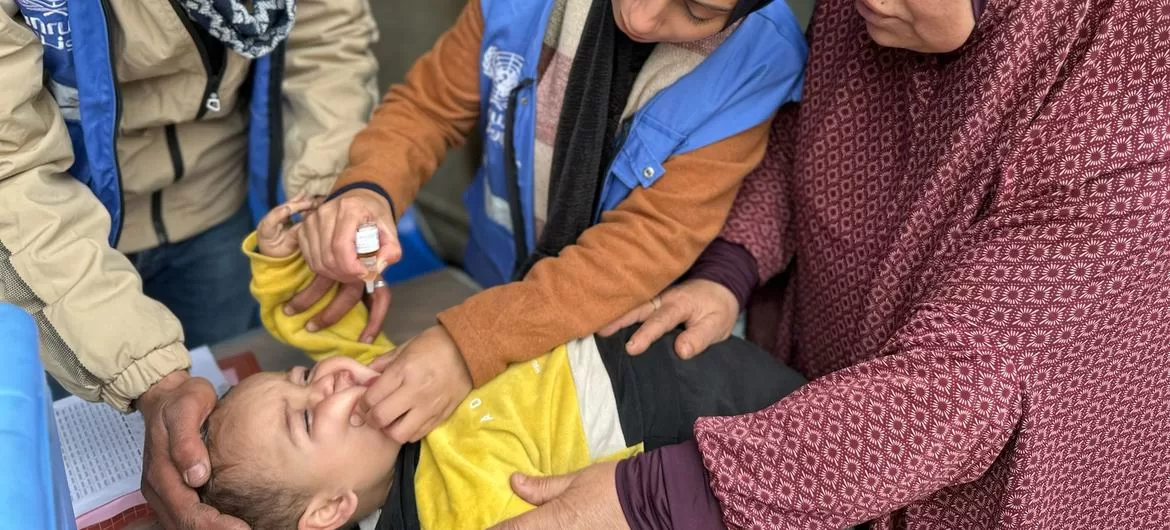
The Indian government is moving forward with plans to wind down the National Polio Surveillance Project (NPSP), a network that has played a pivotal role in eradicating polio from the country and supporting surveillance for other infectious diseases. The decision has raised concerns among public health experts and frontline workers, who warn of potential gaps in disease monitoring and the risk to hundreds of jobs.
Background and Impact
The NPSP, established in the late 1990s in collaboration with the World Health Organization (WHO), was instrumental in India’s successful fight against polio. The country reported its last wild polio case in 2011 and was declared polio-free by the WHO in 2014. Since then, the surveillance network has continued to monitor for polio and expanded its role to include tracking other vaccine-preventable diseases such as measles, rubella, diphtheria, and neonatal tetanus.
However, as part of a transition plan, the government has begun winding down the NPSP. Nearly 200 offices are facing imminent closure, and around 800 healthcare and support staff risk losing their jobs without alternative contracts or compensation. The move has sparked concern among medical professionals and public health officials, who argue that the network’s expertise and infrastructure are vital for both ongoing polio surveillance and broader immunization efforts.
Concerns Over Disease Surveillance
Doctors and public health experts caution that dismantling the NPSP could weaken India’s ability to detect and respond to outbreaks, not only of polio but also of other emerging infectious diseases. The acute flaccid paralysis (AFP) and environmental surveillance systems established under the NPSP have been key in quickly identifying potential outbreaks and guiding immunization campaigns.
There are also calls to repurpose the existing surveillance infrastructure to monitor new and emerging diseases, given the persistent threat of infectious outbreaks in the region. Some experts suggest that, rather than winding down the network, it could be adapted to support broader public health surveillance, including for non-communicable diseases, though this would require significant changes in capacity and focus.
Government’s Position
The Ministry of Health and Family Welfare has acknowledged the NPSP’s contributions and is reportedly considering options to utilize its robust network for other public health priorities. A feasibility study has been conducted to explore the possibility of expanding the network’s mandate beyond polio surveillance. Nevertheless, with polio still present in neighboring countries, many argue that maintaining a high level of vigilance remains essential.
Global Context
The closure of India’s polio surveillance network comes at a time when global health authorities emphasize the need for sustained, sensitive surveillance systems to prevent the re-emergence of polio and other diseases. Recent detections of poliovirus in previously polio-free countries have underscored the importance of maintaining robust monitoring until global eradication is certified.
“Rapid scaling down of NPSP structure as part of transition planning may not only risk the polio programme but also other activities intended to strengthen immunization,” a statement from India’s Permanent Mission in Geneva noted, highlighting the network’s broader role in supporting public health.
Disclaimer
This news article is based on information available as of June 2025, including reports from The Hindu, BMJ, and official government and WHO documents. The situation regarding the National Polio Surveillance Project is evolving, and further developments may impact the details provided here.