 0
0
 0
0
In a landmark public health initiative, the Indian government is set to launch the National One Health Mission, a Rs 383 crore cross-ministerial program aimed at strengthening surveillance, research, and coordinated response mechanisms against zoonotic diseases. Announced in November 2025, this mission seeks to address the growing threat of diseases that jump from animals to humans, recognizing that about 75% of emerging human infections have animal origins. The mission will be implemented by the Indian Council of Medical Research (ICMR) with collaborative support from various governmental agencies to prevent outbreaks of diseases such as COVID-19, Nipah virus, scrub typhus, and avian influenza.
Key Developments and Objectives
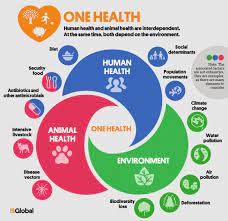
The National One Health Mission marks a critical step towards an integrated health approach in India, bridging human, animal, and environmental health sectors. With a planned budget of Rs 383 crore, the mission focuses on establishing robust systems for disease surveillance and response, boosting research capabilities, and fostering cross-sectoral coordination among key stakeholders including the Indian Council of Agricultural Research, National Centre for Disease Control (NCDC), Food Safety and Standards Authority of India (FSSAI), and Central Pollution Control Board (CPCB).
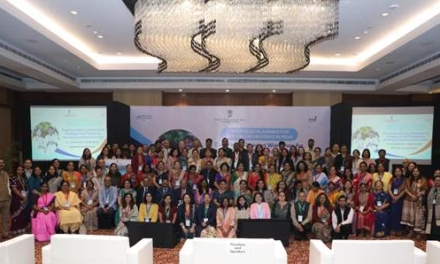
The launch is timed to coincide with the National One Health Conclave in New Delhi, scheduled for November 20-21, 2025, where Prime Minister Narendra Modi is expected to emphasize the importance of the One Health approach as a public health necessity. This initiative aims to cultivate collaborative disease detection and diagnostics efforts while tackling antimicrobial resistance (AMR) linked to antibiotic misuse in humans, animals, and agriculture—a significant long-term health challenge for India.
Expert Perspectives and Context
Experts have long advocated for a holistic One Health policy in India that goes beyond pathogen-specific strategies. Prof Umesh Kapil, President of the Epidemiology Foundation of India, highlights that preventing zoonotic outbreaks requires coordinated surveillance, evidence-based diagnostics, and strong institutional linkages between human and veterinary health sectors. Manish Kakkar of the Public Health Foundation of India has also stressed the dynamic nature of the human-animal-environment interface, pointing out that addressing zoonotic diseases involves multi-level interventions including evaluating vaccine effectiveness and improving nutritional status among vulnerable populations to enhance immune response.
India faces substantial zoonotic disease burdens, including rabies, brucellosis, Japanese encephalitis, scrub typhus, Nipah virus, Kyasanur Forest Disease (KFD), and leptospirosis, which contribute significantly to morbidity and mortality. A 2019 study published by Kumar et al. noted that India bears a high zoonotic disease load similar to countries like Ethiopia, Nigeria, and Tanzania, requiring urgent strengthening of early diagnosis and containment efforts led by multi-disciplinary teams of epidemiologists, veterinarians, and public health experts.
Public Health Implications
The mission’s integrated One Health approach aligns with global best practices advocating for inter-sectoral coordination to mitigate zoonotic disease risks. By improving disease surveillance and outbreak preparedness, the mission anticipates reducing the public health burden and economic losses caused by zoonoses. Furthermore, addressing AMR through coordinated policies will help curb antibiotic resistance patterns that compromise treatment efficacy across human and animal populations.
The mission also underscores the need to tackle ecological and environmental drivers of zoonotic diseases such as deforestation, habitat destruction, and unregulated wildlife trade. Sustainable land-use practices and conservation measures incorporated into the One Health framework will play a crucial role in addressing disease emergence at its source.
Potential Limitations and Challenges
While the National One Health Mission is an ambitious and well-planned initiative, it faces systemic challenges including the vast scale of India’s population, resource constraints, and the complexity of coordinating multiple ministries and sectors effectively. Moreover, zoonotic disease control requires sustained political will and continued investments beyond initial funding cycles. There is also a need to ensure equitable health access and capacity building at provincial and district levels to maximize the mission’s impact throughout India’s diverse regions.
Practical Implications for the Public
For the general public, this mission signals an enhanced government commitment to preventing zoonotic outbreaks and safeguarding health through scientific advancements and cross-disciplinary collaboration. Individuals can expect improved early-warning systems and public education on zoonotic disease risks. Awareness around proper hygiene, safe food practices, avoidance of contact with wild or sick animals, and responsible antibiotic use will remain essential personal preventive measures.
Medical Disclaimer: This article is for informational purposes only and should not be considered medical advice. Always consult with qualified healthcare professionals before making any health-related decisions or changes to your treatment plan. The information presented here is based on current research and expert opinions, which may evolve as new evidence emerges.
References:
-
Times of India. Government to launch Rs 383 crore national mission to fight zoonotic diseases. November 11, 2025. https://timesofindia.indiatimes.com/india/govt-to-launch-rs-383-crore-national-mission-to-fight-zoonotic-diseases/articleshow/125262629.cms