 0
0
 0
0
March 18, 2026
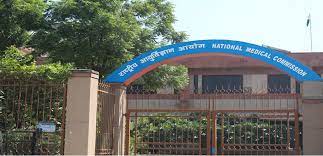
NEW DELHI — In a move set to reshape the landscape of medical education in India, the National Medical Commission (NMC) has issued a high-stakes directive to all states and Union Territories: fill every vacant teaching position in medical colleges within the next six months. This urgent mandate, communicated officially on March 13, 2026, follows a landmark January ruling by the Patna High Court addressing the “dilapidated health” of the nation’s medical teaching services. By linking digital attendance reforms with a structural push for human resources, the NMC aims to ensure that the rapid expansion of MBBS seats—which has seen tens of thousands of spots added in recent years—is finally matched by a physical presence of qualified educators in lecture halls and hospital wards.
The Directive: From Attendance to Appointments
The catalyst for this nationwide sweep is the Patna High Court judgment in the case of Dr. Shyam Kumar Satyapal & Others vs. National Medical Commission & Others. While the legal battle initially centered on the NMC’s controversial mandate for Aadhaar-enabled biometric attendance systems (AEBAS), the court’s decision looked past the digital interface to the empty chairs behind the desks.
NMC Secretary Dr. Raghav Langer, in his communication to state health secretaries, emphasized that tracking attendance is futile if the posts themselves remain unoccupied. The directive includes three critical pillars:
-
Universal Circulation: The court judgment has been sent to every Additional Chief Secretary and Principal Secretary of Medical Education across India.
-
Time-Bound Drives: States must immediately launch recruitment phases specifically targeting Professors, Associate Professors, Assistant Professors, and Tutors.
-
The Six-Month Window: Per the court’s “preferable” timeline, the recruitment process should reach completion by July 2026.
Why the Faculty Crisis Reached a Breaking Point
India’s medical education sector has been in a state of hyper-expansion. Driven by the national goal of improving doctor-to-patient ratios, states like Telangana have successfully established government medical colleges in nearly every district. However, this brick-and-mortar growth has far outpaced the production and recruitment of senior faculty.
Recent data paints a sobering picture of the “infrastructure-faculty gap”:
-
The “Ghost Faculty” Phenomenon: A 2023 NMC assessment revealed that many colleges failed to meet even a 50% faculty attendance requirement, with some institutions suspected of listing “ghost faculty”—doctors who appear on payroll but never step foot on campus.
-
Departmental Vacancies: Surveys from early 2026 flagged over 150 departments in certain states lacking any senior faculty, leaving junior residents to operate without expert supervision.
-
The Deputation Trap: To pass inspections, states often move faculty from established colleges to new ones on temporary “deputation,” a practice that stretches resources thin and disrupts the continuity of education at both institutions.
Expert Perspectives: A “Course Correction” for Quality
While the directive has been welcomed by the medical community, experts warn that the six-month clock is ticking against significant systemic hurdles.
“Setting a six-month deadline creates a necessary sense of urgency, but the real test will be whether states can offer competitive, stable positions,” says Dr. Anjali Menon, a Professor of Community Medicine (speaking independently). “In rural or newly opened colleges, recruitment is notoriously difficult because of disparities in pay and living conditions compared to private practice or metropolitan centers.”
Dr. Rajeev Kulkarni, a health systems researcher based in Mumbai, views this as a vital “course correction.”
“We have invested heavily in opening seats, but without enough qualified teachers, we risk producing a generation of doctors with limited supervised clinical training,” Dr. Kulkarni explains. “Ensuring every department has its mandated faculty is as critical for public health as the number of beds in the hospital.”
What This Means for Students and Patients
For the primary stakeholders—the students and the public—the effective implementation of this order could mark a turning point in healthcare quality.
For Medical Students
MBBS and postgraduate (PG) students have long complained of erratic teaching schedules and a lack of mentorship. A full roster of faculty means:
-
Structured Mentorship: Better access to senior specialists for research and clinical guidance.
-
Reduced Burnout: More faculty translates to a more equitable distribution of workload, potentially reducing the grueling hours currently faced by resident doctors who often “fill in” for missing professors.
For Patients
Medical colleges function as tertiary care hubs. More faculty means higher-level supervision in Outpatient Departments (OPD) and surgical theaters.
-
Improved Safety: Senior oversight of interns and residents directly correlates with reduced clinical errors and better patient outcomes.
-
Specialized Care: Filling vacancies in “deficit” specialties like Emergency Medicine and Anaesthesia ensures that life-saving services are available 24/7.
Practical Challenges and Limitations
Despite the judicial mandate, several obstacles remain. The pool of qualified senior faculty—those with the required years of teaching experience and research publications—is limited. Furthermore, state-level recruitment is often bogged down by administrative layers and reservation policy implementation.
There is also the risk of “token appointments.” To meet the July deadline, institutions might rely on short-term contracts or ad hoc hiring, which provides a temporary statistical fix but fails to build the long-term academic culture necessary for a world-class medical institution.
Conclusion: Beyond Compliance
The NMC’s six-month deadline is more than a bureaucratic hurdle; it is a recognition that the “health” of the medical education system is the foundation of the nation’s healthcare future. While the Aadhaar-based biometric system will ensure teachers are present, this recruitment drive is intended to ensure they are there in the first place.
As recruitment notices begin to surface in states like Telangana and through central bodies like ESIC, the medical community remains cautiously optimistic. The success of this initiative will ultimately depend on transparency, competitive incentives, and a sustained commitment to viewing faculty not just as “staff,” but as the essential guardians of India’s medical standards.
Medical Disclaimer
This article is for informational purposes only and should not be considered medical advice. Always consult with qualified healthcare professionals before making any health-related decisions or changes to your treatment plan. The information presented here is based on current research and expert opinions, which may evolve as new evidence emerges.
References
-
National Medical Commission (NMC). (2026, March 13). Communication to States regarding filling of faculty vacancies. Ref: NMC/Secy/2026/042.