 0
0
 0
0
New Delhi, July 18, 2025
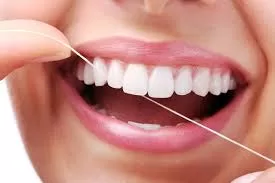
Maintaining good oral hygiene can do more than just keep your teeth clean—it may help reduce cancer risk and improve overall health, according to a recent study by researchers from the All India Institute of Medical Sciences (AIIMS), Delhi.
Oncologists Dr. Abhishek Shankar and Dr. Vaibhav Sahni highlighted emerging evidence that poor oral health is closely associated with a range of illnesses, including cardiovascular disease, diabetes, adverse pregnancy outcomes, Alzheimer’s disease, and various forms of cancer. Their findings, published in The Lancet Regional Health – Southeast Asia, stress the importance of integrating robust oral health practices at all levels of health management.
The Link Between Oral Health and Cancer
Current research implicates oral hygiene in both cancer risk and disease prediction, especially for head and neck cancers (HNC). There’s also mounting evidence of a link between periodontal (gum) disease and cancers of the digestive tract, prostate, breast, pancreas, oropharynx, uterus, and lungs.
A significant pooled analysis by the international head and neck cancer epidemiology (INHANCE) consortium—which reviewed data from over 21,000 participants—found that individuals practicing good oral hygiene (such as annual dental visits, daily tooth-brushing, and having fewer missing teeth) had a modestly reduced risk of developing HNC. The study also noted that the presence of specific pathogenic oral bacteria like Porphyromonas gingivalis and Prevotella intermedia increased cancer incidence and negatively affected survival outcomes.
Oral Health During Cancer Therapy
The study revealed that oral health becomes critical in the context of cancer therapy. Radiotherapy (RT) targeting the head and neck region can significantly disrupt the oral microbiome, reducing beneficial bacteria and encouraging harmful species, often leading to complications after treatment. Patients with severe gum disease who undergo intensity-modulated radiotherapy (IMRT), with or without chemotherapy, are more prone to bone healing issues after their treatment.
Hence, maintaining optimal oral hygiene before, during, and after radiotherapy is crucial for improving survivorship outcomes, the researchers suggest.
Routine Dental Visits and Cancer Mortality
Data from the CHANCE study supports the idea that routine dental visits over a decade are linked to reduced cancer mortality. This further points to the broader significance of oral healthcare, not just for cancer prevention but for survivorship and overall health improvement.
Public Health Recommendations
Despite these findings, the researchers highlighted a lack of original data from Southeast Asia on links between oral health and cancer, noting that most studies are epidemiological in nature. They recommend:
-
Integrating evidence-based, economical, and validated point-of-care diagnostics for oral health.
-
Implementing supervised tooth-brushing programmes for children, alongside educational initiatives for teachers and families.
-
Providing free toothbrushes and toothpaste, especially in resource-constrained settings.
Such interventions have already shown promise in places like England, where supervised brushing in schools reduced health inequalities and rates of tooth decay.
The researchers also advocate for public health policies against proxy advertisements for tobacco products and tighter controls on marketing sugar-laden snacks and beverages to children.
Disclaimer
This article is based on research findings and expert commentary from AIIMS Delhi. The information provided is for general awareness and should not replace medical advice. For personal health concerns or before making changes to health routines, please consult a qualified healthcare professional.